Frozen Well Pipes Prevention: How to Protect Your Private Well System in New England Winters
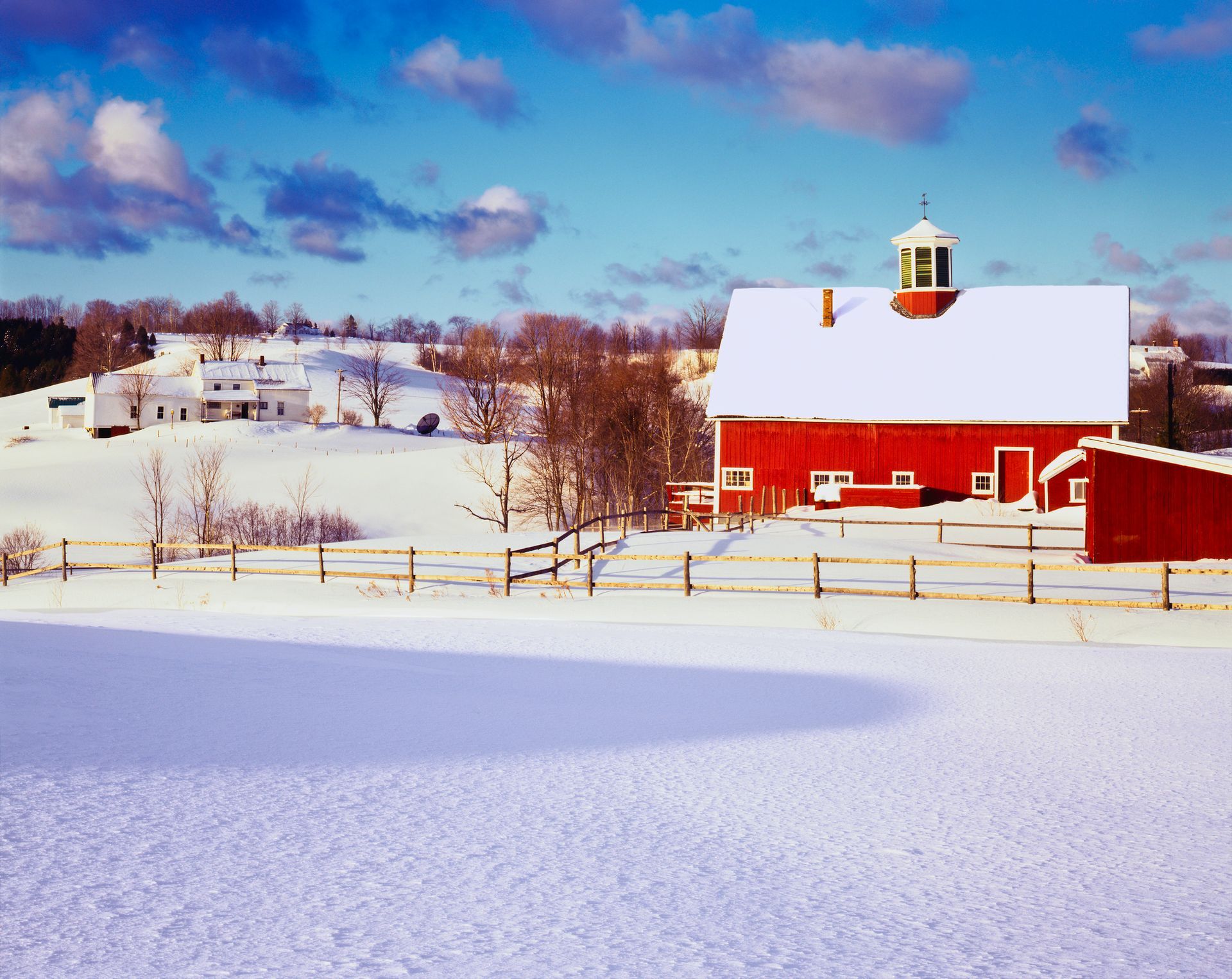
When arctic air masses sweep across Vermont, New Hampshire, and western Massachusetts, severe sub-zero temperatures present a direct threat to residential private water systems. For property owners relying on private water wells, ground freezing and icy winds can quickly turn a routine winter night into a sudden loss of household water. Ground frost penetrating several feet into the soil can freeze water lines, lock pitless adapters, and burst uninsulated pressure tanks.
Understanding frozen well pipes prevention is essential for maintaining a continuous, safe drinking water supply and avoiding costly winter plumbing failures. This guide outlines practical winterization procedures for wellheads, pump houses, and unheated indoor spaces, clarifying how to safely thaw frozen lines and identifying when to call for emergency technical assistance.
The Physics and Risks of Winter Freezing in New England Well Systems
New England winters feature prolonged periods where ambient temperatures remain well below freezing, allowing frost line depth in Vermont and New Hampshire to reach four to five feet below the ground surface. Water expands by approximately nine percent as it transitions from liquid to ice. When water trapped inside an above-ground pipe, wellhead casing, or unheated pressure tank expands, it exerts immense hydraulic pressure against the surrounding metal or plastic structure.
In crystalline bedrock regions across Northern New England, private wells rely on a continuous electrical and mechanical apparatus to bring water from deep underground aquifers into the home. If freezing occurs at any point in this supply chain, from the exposed wellhead casing to the pressure switch in an unheated basement, the entire system fails. Common high-risk areas include:
- Exposed wellhead casings rising above snowlines without proper insulation or seal protection.
- Unheated pump houses or utility sheds lacking adequate thermal barriers.
- Pressure tanks, control valves, and filtration units installed in unheated garages, cellars, or crawl spaces.
- Shallow supply lines running above the local frost line.

Practical Protocols for Well System Winterization and Frozen Well Pipes Prevention
Executing thorough well system winterization before the first severe freeze protects mechanical components and ensures reliable water delivery throughout the season. A systematic approach addresses both outdoor well structures and indoor utility areas.
Step 1: Inspect the Wellhead and Surrounding Ground
First, inspect the physical wellhead and surrounding ground. Clear away leaves, debris, and soil buildup that could retain moisture around the base of the steel casing. Ensure the well cap or sanitary seal sits tightly on top of the casing to prevent freezing condensation and surface runoff contamination from entering the wellbore.
Step 2: Insulate and Seal the Pump House
Second, focus on pump house insulation if your pressure tank or pump controls sit in an external outbuilding. Unheated enclosures require proper wall and ceiling insulation, typically using rigid foam board or fiberglass batt insulation with an intact vapor barrier. Eliminate cold air drafts by sealing gaps around access doors, pipe penetrations, and wall joints with spray foam or weatherstripping. In severe weather, a thermostatically controlled space heater rated for small utility spaces can maintain temperatures safely above freezing.
Step 3: Protect Pressure Tanks and Indoor Piping
Third, protect pressure tanks and control switches located in unheated basements or crawl spaces. If ambient temperatures in these areas dip near freezing, install electric heat tape along exposed copper, PEX, or PVC supply lines. Use only self-regulating, UL-listed heat cables equipped with built-in thermostats that automatically adjust heat output based on pipe temperature. Wrap the cable in continuous fiberglass or foam pipe insulation to trap warmth. Never overlap heat tape unless the manufacturer guidelines explicitly permit it, as overlapping non-regulating cables creates a fire hazard. Insulating the piping around your well water pump system prevents pressure switch freeze-ups during extended cold snaps.
Preventing Pitless Adapter Freezing and Underground Line Lockups
The pitless adapter is a specialized sanitary fitting attached to the well casing below the frost line. It connects the vertical drop pipe inside the well to the horizontal water line leading underground to the house, allowing water to pass through the casing wall while keeping the connection completely watertight and frost-free.
In Vermont and New Hampshire, pitless adapters are generally installed four to six feet underground to sit safely below maximum frost penetration depth. However, pitless adapter freezing can still occur under specific conditions:
- Extended periods of extreme sub-zero weather without insulating snow cover.
- Soil erosion or improper site grading that reduces earth cover over the horizontal trench line.
- Cold air drafting downward inside an uninsulated or loosely capped wellhead casing.
To minimize these risks, maintain natural snow cover over the ground surrounding the wellhead, as loose snow acts as an effective thermal insulator. Avoid shoveling or plowing snow away from the soil directly above horizontal water lines. If past site grading left supply lines too close to the surface, adding a layer of rigid extruded polystyrene (XPS) foam insulation above the pipe trench prior to backfilling provides additional frost protection. Property owners can schedule a professional well inspection before winter to verify pitless adapter seating, check sanitary seal integrity, and evaluate frost line safety depth.
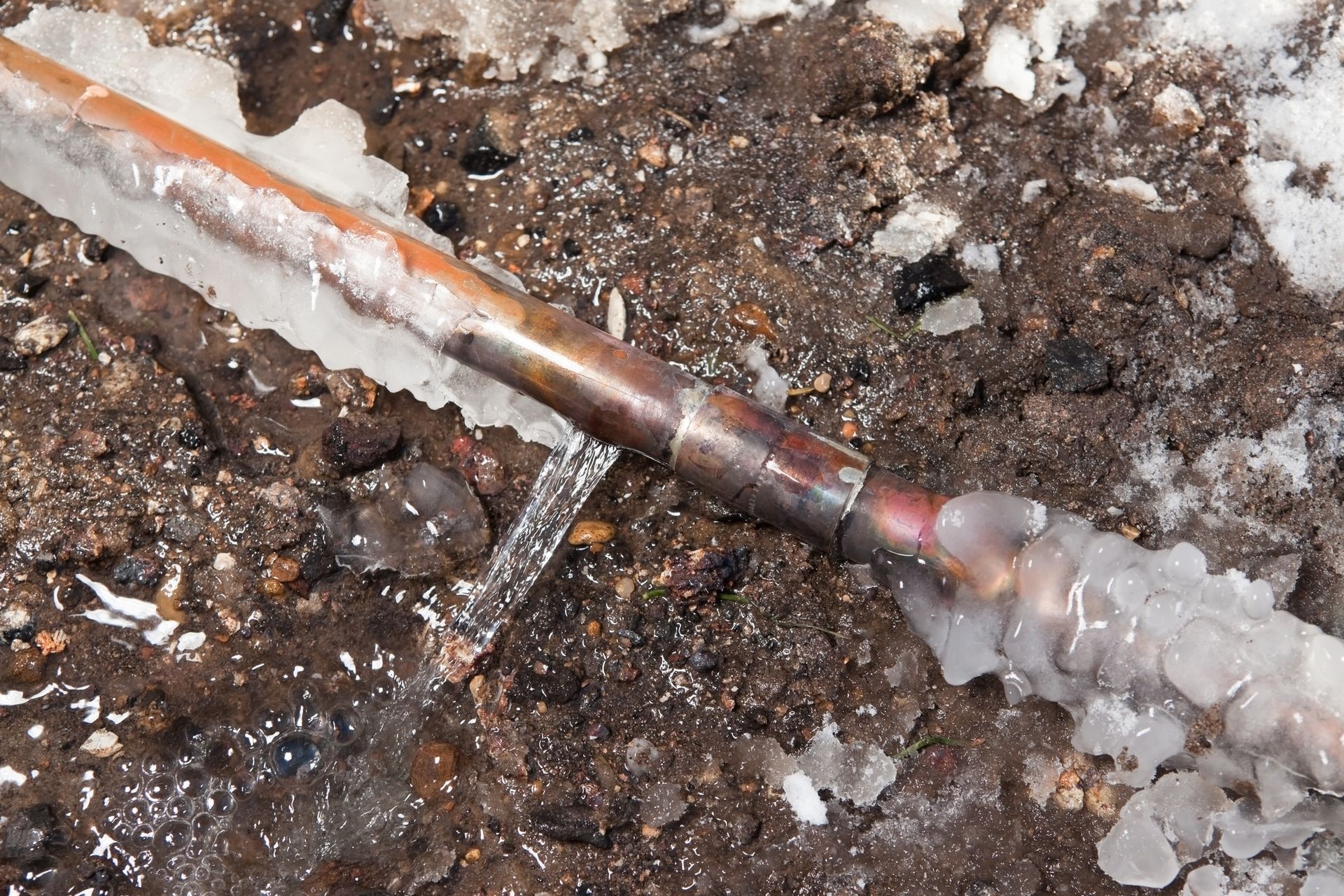
Safe Thawing Procedures vs. Immediate Emergency Service Red Flags
How to Locate a Frozen Section
If water stops flowing during a cold snap and you suspect a frozen line, identifying the frozen section safely prevents pipe bursts and electrical hazards. First, check whether cold water flows from any tap in the home. If some faucets work while others do not, the freeze is isolated within interior home plumbing rather than the well system itself. If no taps yield water and the pressure gauge on your storage tank reads zero, the freeze likely lies between the pressure switch and the wellhead.
How to Thaw Frozen Well Pipes Safely
When attempting to thaw frozen well pipe sections inside an accessible basement or crawl space, follow gentle, controlled heating protocols:
- Open the affected interior faucets slightly to relieve internal pressure as ice melts.
- Use a handheld hairdryer, a portable warm air blower, or electric heating pads wrapped around the exposed pipe.
- Apply heat gradually, working from the open faucet end toward the frozen blockage to allow melting water to escape.
- Wrap warm, moist towels around frozen metal fittings or pressure switch connections.
Never use open flames, propane torches, or high-temperature heat guns to thaw frozen lines. Open flames present an extreme fire risk and can melt plastic PEX/PVC lines, scorch wall framing, or cause rapid thermal expansion that shatters frozen metal valves.
Red Flags That Require Emergency Well Service
Certain winter complications require immediate professional intervention rather than DIY attempts. Contact a qualified technician immediately if you encounter any of the following red flags:
- Visible cracking or bulging on the steel pressure tank shell or pump housing.
- Water leaking rapidly from pipe fittings or check valves as ice thaws.
- A well pump motor that hums continuously or cycles rapidly without building pressure on the gauge.
- Electrical arcing, tripped circuit breakers, or burning odors near the pressure switch or control box.
- Frozen lines located deep underground between the wellhead and the foundation.
If severe ground movement or extreme structural freeze damage ruptures buried water lines beyond repair, evaluating professional trenching or new water well drilling options becomes necessary to restore permanent water access.
Frequently Asked Questions
How do I know if my well pipes are frozen or if the well pump has failed?
A frozen pipe typically manifests during or immediately following sub-zero weather. If you turn on a faucet and receive no water, or only a trickle, check your pressure tank gauge. If the gauge shows normal pressure but no water reaches the taps, the freeze is likely inside interior plumbing lines. If the gauge reads zero and the pump does not engage, or if the pump runs continuously without raising pressure, the freeze may be located at the pressure switch, the pitless adapter, or the underground supply line. Electrical testing by a professional can verify whether the pump motor is receiving power or if an ice block is blocking flow.
Can a well pump burn out if the supply pipes freeze solid?
Yes. If water inside the pressure switch or supply pipe freezes solid while the pressure switch remains stuck in the "on" position, the pump motor will run continuously. Submersible pumps rely on flowing water for cooling and lubrication. Running continuously against a solid ice blockage generates excessive internal friction and heat, which can damage internal impellers, melt motor wiring, or trip thermal overload protectors. If you suspect frozen supply lines, turn off the electrical breaker dedicated to your well pump immediately until the blockage is cleared.
Is it safe to install electric heat tape on PEX or PVC well piping?
It is safe to use electric heat tape on plastic piping like PEX or PVC only if the heat tape is specifically rated for plastic pipe application by a recognized testing laboratory such as UL. Always select self-regulating heat tape, which adjusts its heat output based on surrounding pipe temperature, preventing localized overheating. Ensure the tape is installed straight along the pipe or spiral-wrapped strictly according to manufacturer instructions, and never cover non-regulating heat tape with fiberglass insulation unless explicitly permitted.
How deep must private well water lines be buried in Vermont and New Hampshire?
In Vermont and New Hampshire, municipal codes and state water well guidelines generally require horizontal supply pipes to be buried at a minimum depth of 48 to 60 inches (4 to 5 feet) below finished grade. This depth ensures the pipe remains below the maximum frost line during typical New England winter conditions. In higher elevation mountain areas or exposed rocky terrain where achieving a five-foot trench depth is difficult, contractor-installed rigid foam trench insulation or engineered heating trace systems are required to safeguard buried lines against deep freezing.
What precautions should I take with my well system if leaving my home vacant during winter?
If a property remains unoccupied during winter months, maintaining interior heat at no lower than 55 degrees Fahrenheit is the most effective safeguard. If the home will be fully winterized and left without heat, the water system must be completely drained. Turn off the main electrical breaker to the well pump, drain the pressure tank entirely, open all interior and exterior faucets, and use compressed air to clear water from all low points in supply lines, water treatment filters, and pump housings.
Summary and Winter Preparedness Checklist
Protecting a private well system against New England winter weather requires proactive maintenance and timely intervention. By insulating exposed wellheads, sealing pump houses, applying self-regulating heat tape to vulnerable indoor piping, and preserving natural ground cover above buried lines, property owners can avoid severe freeze damage and maintain reliable water flow throughout the coldest months. Understanding frozen well pipes prevention and applying proactive winterization protocols prevents emergency plumbing failures.
If freezing does occur, employ gradual, flame-free thawing techniques, and rely on qualified professionals when structural damage or underground blockages threaten your water system. Regular seasonal inspections remain the most dependable way to safeguard your water supply year after year.
For property owners seeking additional information or professional support related to this topic, Wragg Brothers Well Drilling provides well drilling and water system services in New Hampshire and surrounding regions. Learn more at wraggbrothers.com.