Does Boiling Well Water Remove Arsenic or Uranium? The Facts Explained
Many property owners assume that applying heat to water guarantees its safety. Boiling is a universal survival technique for purifying water during an emergency or natural disaster. However, this method only works for specific types of contamination. For homeowners in New England drawing from private bedrock wells, assuming heat solves every water quality issue is a critical misunderstanding of geology.
This guide explains the physical science behind boiling groundwater. It details why applying heat to well water fails to neutralize geogenic threats, which are contaminants originating from the earth itself. If you have ever wondered, does boiling well water remove arsenic or uranium, the answer dictates how you should safely manage your home's water supply. Understanding this distinction prevents property owners from accidentally making their drinking water more hazardous.
The Mechanics of Boiling Groundwater
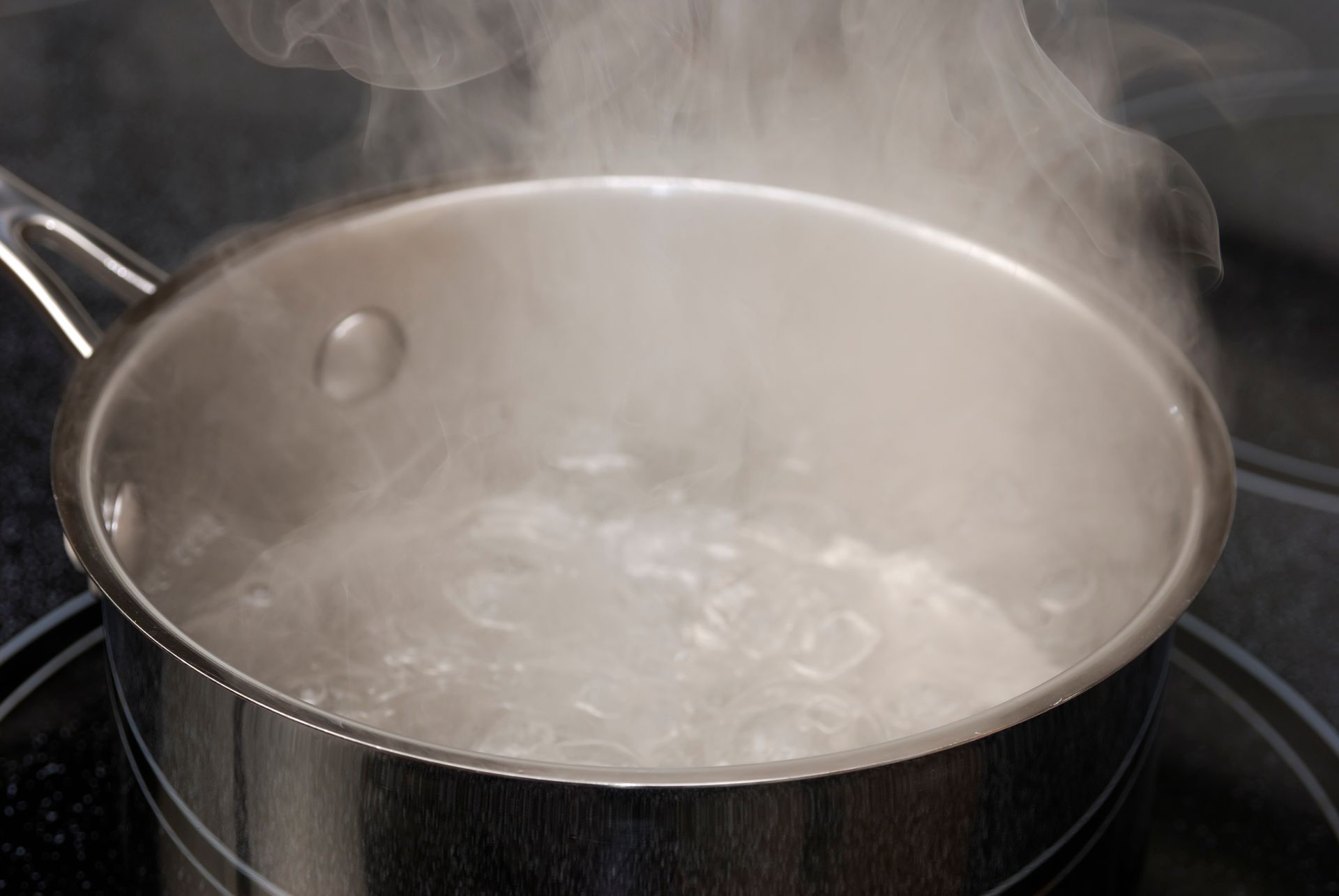
Boiling water is exclusively a biological sanitation method. When water reaches 212 degrees Fahrenheit, the intense thermal energy breaks down the cell walls of living organisms. This effectively neutralizes biological pathogens, including total coliform and E. coli. If surface water breaches a well casing during a heavy spring flood, a state health department will often issue a "boil water advisory" specifically to prevent bacterial illness.
However, boiling is completely ineffective against inorganic material. Groundwater in northern New England is stored within the fractures of dense crystalline bedrock, such as granite, schist, and granodiorite. As water sits in these deep underground fractures, it acts as a slow solvent. It dissolves the surrounding rock, absorbing heavy metals and metalloids directly into the water column.
These dissolved elements are not alive. You cannot kill a mineral with heat. When property owners attempt to boil away these dissolved solids, they inadvertently trigger a physical reaction that worsens the water quality. Relying on heat as a universal purifier demonstrates a fundamental misunderstanding of local groundwater mechanics. Managing a private well requires identifying the exact contaminants present before applying a treatment strategy. Securing professional well water testing ensures you know exactly what is in your water, allowing you to choose the correct mitigation method rather than guessing with a stovetop pot.
Does Boiling Well Water Remove Arsenic? The Concentration Effect
When answering the question, does boiling well water remove arsenic, the scientific answer is an absolute no. In fact, boiling water that contains arsenic makes the water significantly more dangerous to consume.
This occurs due to evaporation. When you boil a pot of water, the liquid turns into steam and leaves the container. Arsenic is a heavy metalloid. It does not evaporate at 212 degrees Fahrenheit. As the water volume decreases through evaporation, the total amount of arsenic in the pot remains exactly the same. Consequently, the concentration of arsenic in the remaining water spikes dramatically.
Drinking this concentrated water delivers a higher dose of toxicity to the human body than drinking the water straight from the tap. Furthermore, arsenic in New England groundwater exists in two distinct chemical states: Arsenite (As-III) and Arsenate (As-V). Heat does not alter this chemical speciation. It will not convert the uncharged, difficult-to-filter Arsenic-III into a safer or more manageable state.
Because arsenic is completely invisible and lacks any taste or odor, property owners boiling their water for morning coffee or pasta are entirely unaware that they are consuming concentrated heavy metals. Addressing arsenic requires specialized physical filtration media designed to capture the specific atomic structure of the contaminant. To understand how mechanical systems protect your home from these unseen threats, reviewing the the importance of water well maintenance and troubleshooting provides a reliable foundation for proper water management.
Uranium, Radon, and Thermal Dynamics
Uranium presents a similar challenge to arsenic. The granites and pegmatites common throughout New Hampshire and Vermont are naturally rich in uranium. As groundwater flows slowly through these specific geological formations, it absorbs the heavy metal. Just like arsenic, uranium does not evaporate under standard household conditions. Boiling water containing uranium simply reduces the water volume, leaving behind a highly concentrated radioactive liquid.
Uranium also creates a secondary, airborne hazard known as radon. As the uranium inside the bedrock slowly decays over centuries, it produces radon gas. Under the extreme pressure of a deep bedrock aquifer, this gas dissolves directly into the groundwater. When this water is pumped into a home, the pressure drops, allowing the radon gas to escape the water and enter the indoor air.
Applying heat to water accelerates this off-gassing process. While boiling water will technically remove the dissolved radon gas from the liquid, it does so by forcing the radioactive gas directly into your kitchen. Inhaling radon gas is a primary cause of lung cancer. Heating water in open pots, hot showers, or dishwashers continuously releases this gas into the sealed environment of a modern home. Therefore, boiling is never a safe mitigation strategy for radioactive geogenic contaminants.
Engineered Filtration Solutions for Bedrock Wells
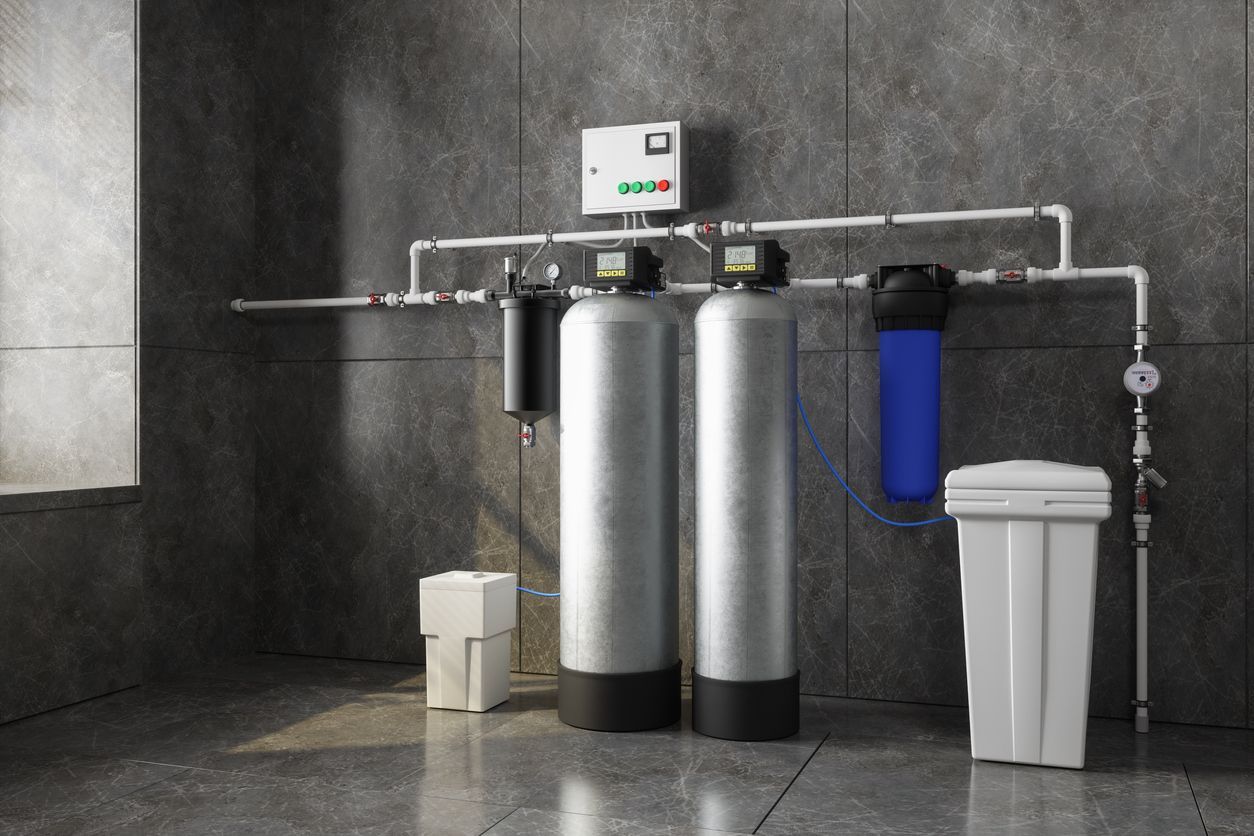
Because boiling is fundamentally flawed for treating bedrock groundwater, property owners must rely on engineered mechanical systems. The complex geology of New England demands specific, targeted filtration based on precise laboratory results. Standard over-the-counter pitcher filters or refrigerator cartridges use basic activated carbon, which is entirely ineffective against heavy mineral loads.
For arsenic, mitigation typically requires a two-step process. If the water contains high levels of uncharged Arsenic-III, a system must first inject an oxidant, such as air or chlorine, to convert the metalloid into Arsenic-V. Once the arsenic is oxidized and carries a negative electrical charge, the water passes through a dedicated adsorption media tank that physically pulls the arsenic out of the water like a magnet.
Uranium is effectively removed through anion exchange. This process is mechanically similar to standard water softening but utilizes a specialized resin designed specifically to capture radioactive particles. Radon gas is best managed before it ever enters the home's plumbing framework. Professional aeration systems physically agitate the water inside a sealed chamber, venting the harmful gas safely above the roofline before the water is pressurized for household use. Protecting a home requires installing the correct water conditioning equipment calibrated specifically to the unique chemistry of your individual borehole.
Frequently Asked Questions
Does boiling well water remove arsenic?
No, boiling well water does not remove arsenic. Arsenic is a heavy metalloid that does not evaporate at the boiling point of water. When you boil water, the liquid turns to steam and leaves the pot, but the arsenic remains behind. This physical process actually increases the concentration of arsenic in the remaining water, making it far more dangerous to consume.
What happens if I boil water with uranium in it?
Boiling water containing uranium concentrates the heavy metal. Just like arsenic, uranium does not evaporate. The water volume decreases as it turns to steam, but the total amount of uranium stays exactly the same, resulting in a highly concentrated liquid. Additionally, heating the water will rapidly release any dissolved radon gas into the air you are breathing, creating a severe inhalation hazard.
Are pitcher filters better than boiling for arsenic?
Standard pitcher filters and refrigerator cartridges are generally ineffective against arsenic. Most over-the-counter filters use basic activated carbon designed to remove simple odors and chlorine to improve taste. They are not engineered to capture heavy mineral loads or uncharged metalloids like Arsenic-III. Removing arsenic requires dedicated, whole-house oxidation and adsorption equipment.
How can I tell if my well water has heavy metals?
You cannot detect heavy metals or radioactive elements using human senses. Arsenic, uranium, and radon are completely invisible, tasteless, and odorless. A glass of water heavily contaminated with these elements will look exactly like a glass of pure spring water. The only way to detect their presence is by sending a water sample to a state-certified laboratory for comprehensive chemical analysis.
Does boiling water remove iron and manganese?
No. Iron and manganese are natural minerals dissolved from the bedrock. Boiling water will not remove them. In many cases, adding heat will cause the dissolved, clear iron and manganese to rapidly oxidize and precipitate into solid particles. This reaction will turn the water brown or black and leave stubborn, dark stains on the cooking pot or plumbing fixtures.
Conclusion
Maintaining a private well requires distinguishing between biological threats and geological realities. While heat is a proven method for destroying bacteria and pathogens, it fails entirely against the dense mineralogy of the New England subsurface. Boiling water to remove geogenic contaminants is a scientific impossibility that actively worsens water quality through evaporation. Does boiling well water remove arsenic? No, it only concentrates the danger. Property owners must abandon DIY boiling methods and rely on certified laboratory testing combined with targeted, engineered filtration to ensure the water flowing from their tap is genuinely safe for their families.
For property owners seeking additional information or professional support related to this topic, Wragg Brothers Well Drilling provides well drilling, pump systems, and water treatment services across Vermont, New Hampshire, and Massachusetts. Learn more at https://www.wraggbrothers.com/.