Why Using a Water Softener for Iron Removal Fails in Bedrock Wells
Many property owners in New England encounter iron in their private well water, characterized by a distinct metallic taste and stubborn rust-colored stains on plumbing fixtures. Attempting to solve this issue by purchasing a standard water softener for iron removal is a common, yet expensive, misunderstanding of groundwater chemistry.
While water softeners are highly effective at managing hard water caused by calcium and magnesium, they are fundamentally not designed to handle the heavy iron loads found in regional bedrock. Installing the wrong equipment inevitably leads to ruined filtration media, wasted financial investments, and continued property damage. This article explains the geological sources of iron in the Northeast, details why standard cation-exchange systems fail when exposed to these elements, and outlines the correct mechanical infrastructure required to ensure clean, reliable water for your home.
The Geological Source of Iron in New England Bedrock
To understand why your water contains iron, you must examine the specific stone beneath your property. Unlike other regions of the country where groundwater filters through broad, porous layers of soft sand, aquifers in New Hampshire, Vermont, and Massachusetts rely entirely on a crystalline basement. The bedrock consists of complex metamorphic and igneous rock formations that possess virtually zero primary porosity.
Groundwater in this region moves exclusively through "fracture flow." The water travels slowly through a scattered, irregular network of narrow cracks, joints, and fissures created by ancient tectonic forces. As the water sits in these deep underground veins, it acts as a universal solvent. It continuously dissolves and absorbs the minerals present in the rock walls.
Certain geological zones are notorious for producing high concentrations of iron. For example, the Ammonoosuc Volcanics, frequently found along the Connecticut River valley, host highly mineralized zones laden with iron and manganese. Similarly, the Partridge Formation contains sulfidic schists. When the sulfide minerals in these rocks are exposed to fluctuating water tables, they oxidize and create acidic conditions that rapidly mobilize heavy metals into the drinking water supply. Because the iron originates from the solid stone itself, it is a permanent geological reality of the well, requiring a permanent mechanical solution.

Ferrous vs. Ferric Iron: Understanding Water Chemistry
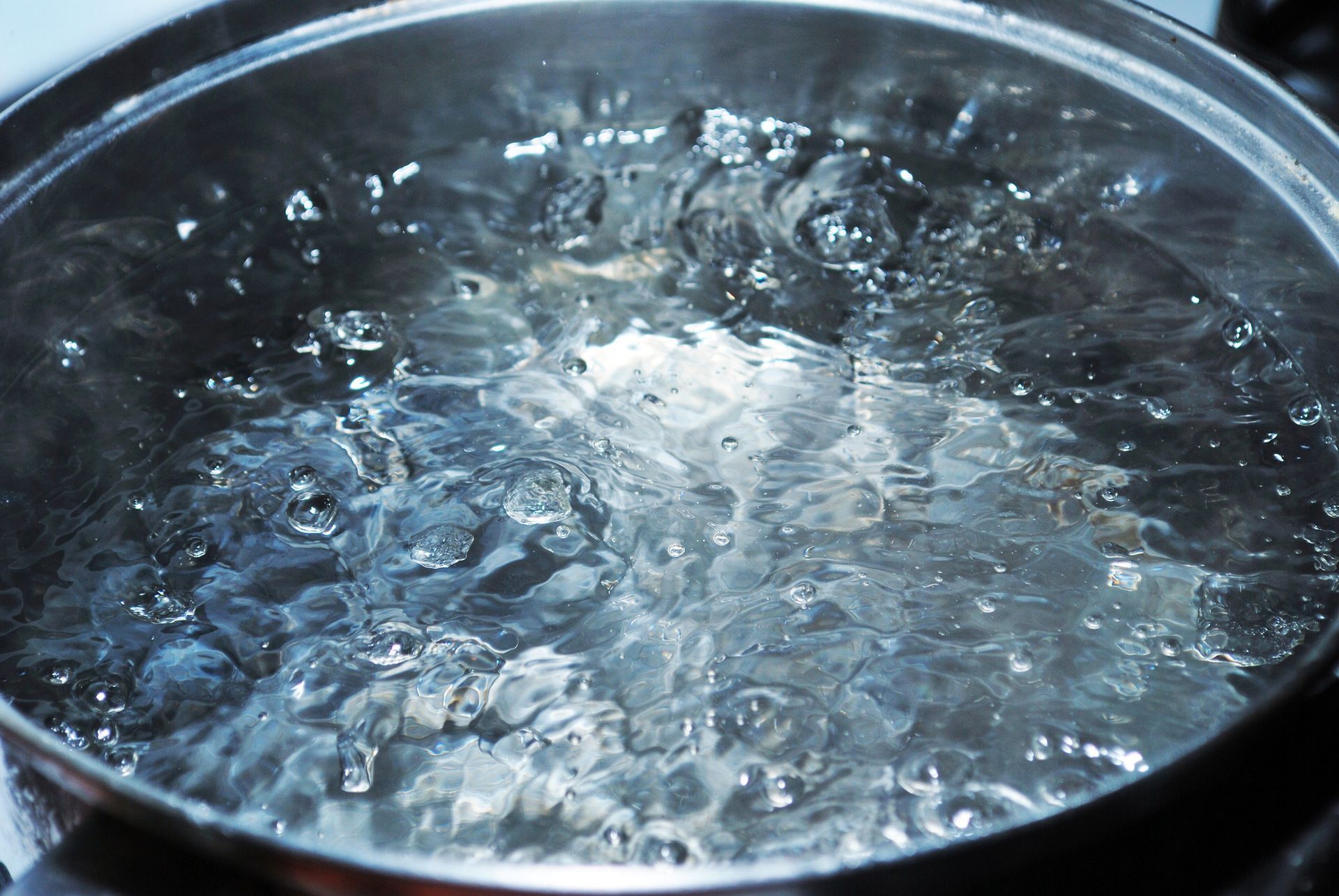
A frequent point of confusion for property owners is why their water appears perfectly clear when poured from the faucet, only to turn orange or brown after sitting in a toilet bowl or a cooking pot. This phenomenon is dictated by the chemical state of the iron present in the water, known as speciation.
In the deep, oxygen-depleted environment of a bedrock aquifer, iron typically exists in a dissolved state known as ferrous iron. Because ferrous iron is completely dissolved into the water at a molecular level, it is invisible to the naked eye. Water heavily laden with ferrous iron will look exactly like pure spring water when it first exits your plumbing.
However, when this groundwater is pumped into your home and exposed to the atmosphere, a rapid chemical reaction occurs. The oxygen in the air interacts with the dissolved ferrous iron, converting it into ferric iron. Ferric iron is oxidized and solid. It immediately precipitates out of the liquid, forming the rust-colored particles that permanently stain white fabrics, porcelain sinks, and dishwasher interiors. Standard physical sediment filters, like spun-mesh cartridges, are completely useless against ferrous iron because the dissolved mineral simply passes right through the physical barrier before it has the chance to oxidize into a solid.
The Mechanical Limits of a Water Softener for Iron Removal
Many homeowners mistakenly attempt to use a water softener for iron removal after reading generic plumbing advice online. A traditional water softener operates using a chemical process known as cation exchange. The system consists of a tall fiberglass tank filled with thousands of microscopic, negatively charged resin beads.
Calcium and magnesium—the minerals that cause hard water—carry a positive electrical charge. As hard water flows through the tank, the positive calcium ions are magnetically drawn to the negative resin beads. The beads trap the calcium and release a highly soluble sodium ion into the water in its place. When the beads are fully coated with calcium, the system flushes itself with a saltwater brine, easily washing the calcium down the drain and resetting the resin for the next cycle.
When you introduce iron into this precise environment, the system fails. While ferrous iron also carries a positive charge and will attach to the resin beads, it bonds much more aggressively than calcium. Furthermore, if any oxygen enters the tank, the iron oxidizes into its solid, ferric state directly on the surface of the beads.
Once iron oxidizes onto the resin, the saltwater brine flush cannot remove it. The iron acts like a permanent glue, forming a dense, rust-colored sludge that entirely coats the microscopic pores of the media. Within a matter of weeks or months, the resin bed becomes completely "fouled." The expensive softener loses its ability to remove hard water, water pressure throughout the house drops significantly, and the internal mechanisms of the system are permanently ruined. Property owners dealing with complex mineral profiles often review resources like the best iron filter for well water solutions reviewed to understand the dedicated equipment actually required for heavy metal extraction.
Establishing a Dedicated Oxidation Barrier
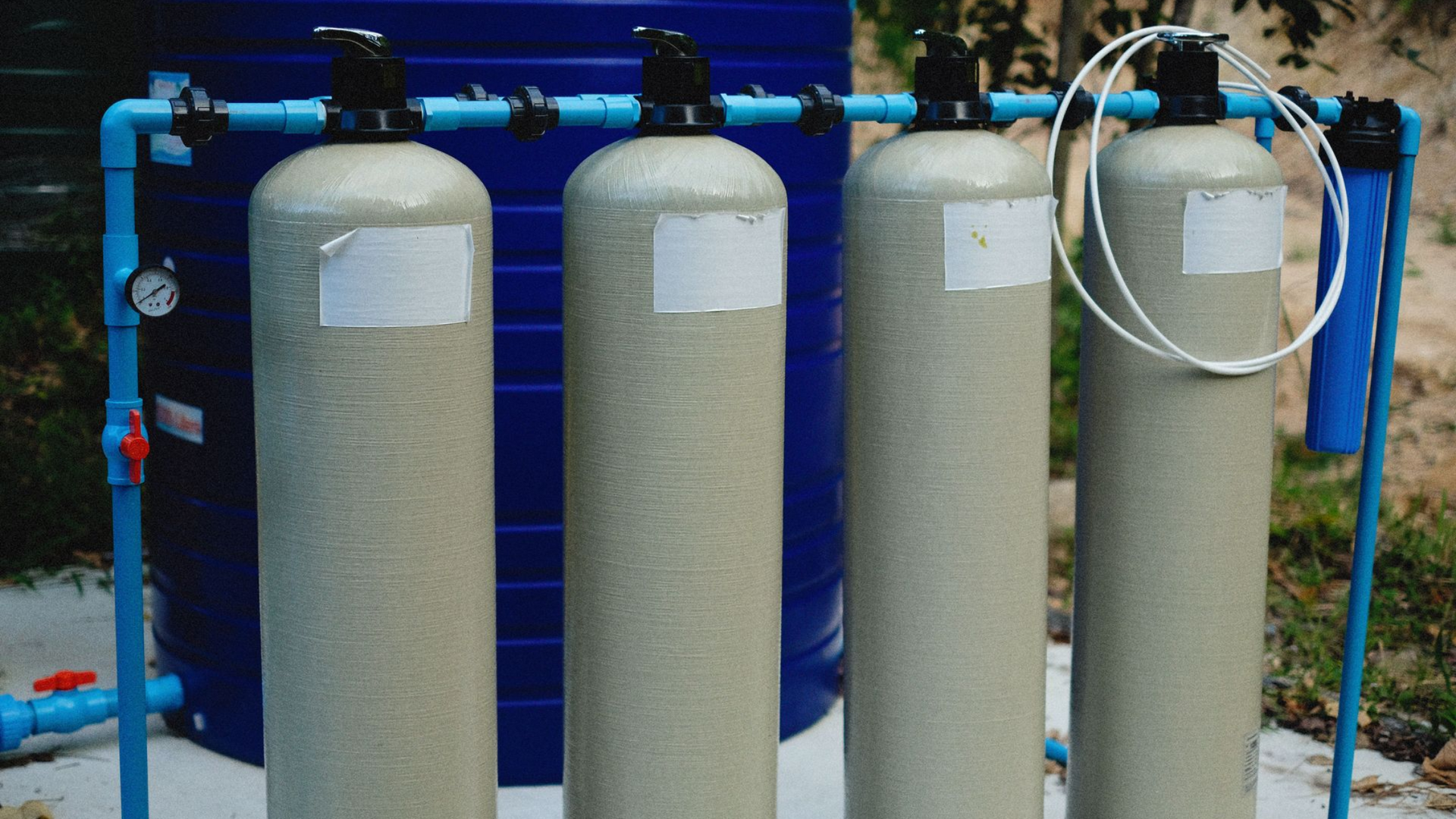
Because a standard cation-exchange system will be destroyed by iron, the mineral must be physically removed from the water before it ever reaches the softener or the household plumbing. The industry standard for heavy iron extraction is a dedicated oxidation and filtration system.
These engineered systems mimic the natural oxidation process that happens in your sink, but they force the reaction to occur safely inside a sealed treatment tank. The system actively injects a strong oxidant—such as compressed air, chlorine, or ozone—into the raw groundwater as it enters the basement. This immediate burst of oxygen forces the invisible, dissolved ferrous iron to instantly solidify into oxidized ferric iron particles.
Once the iron has been converted into a solid state, the water is pushed through a specialized catalytic media bed. Unlike the smooth resin beads in a softener, catalytic media is dense and highly textured, designed specifically to trap solid rust particles. Only clean, iron-free water is allowed to exit the tank and flow into the home.
The system periodically cleans itself by backwashing the trapped solid iron directly down the drain. This two-step process of oxidation followed by physical adsorption is the only reliable method for managing the high mineral concentrations found in New England bedrock. Integrating this specific technology is a foundational aspect of professional water conditioning.
The Necessity of Comprehensive Water Testing
Groundwater chemistry in a fracture-flow aquifer is highly localized. The iron concentration can vary drastically between two properties located on the exact same street, depending entirely on which specific rock fissures their respective wells intersect. Because of this extreme variability, guessing at a water treatment solution guarantees mechanical failure.
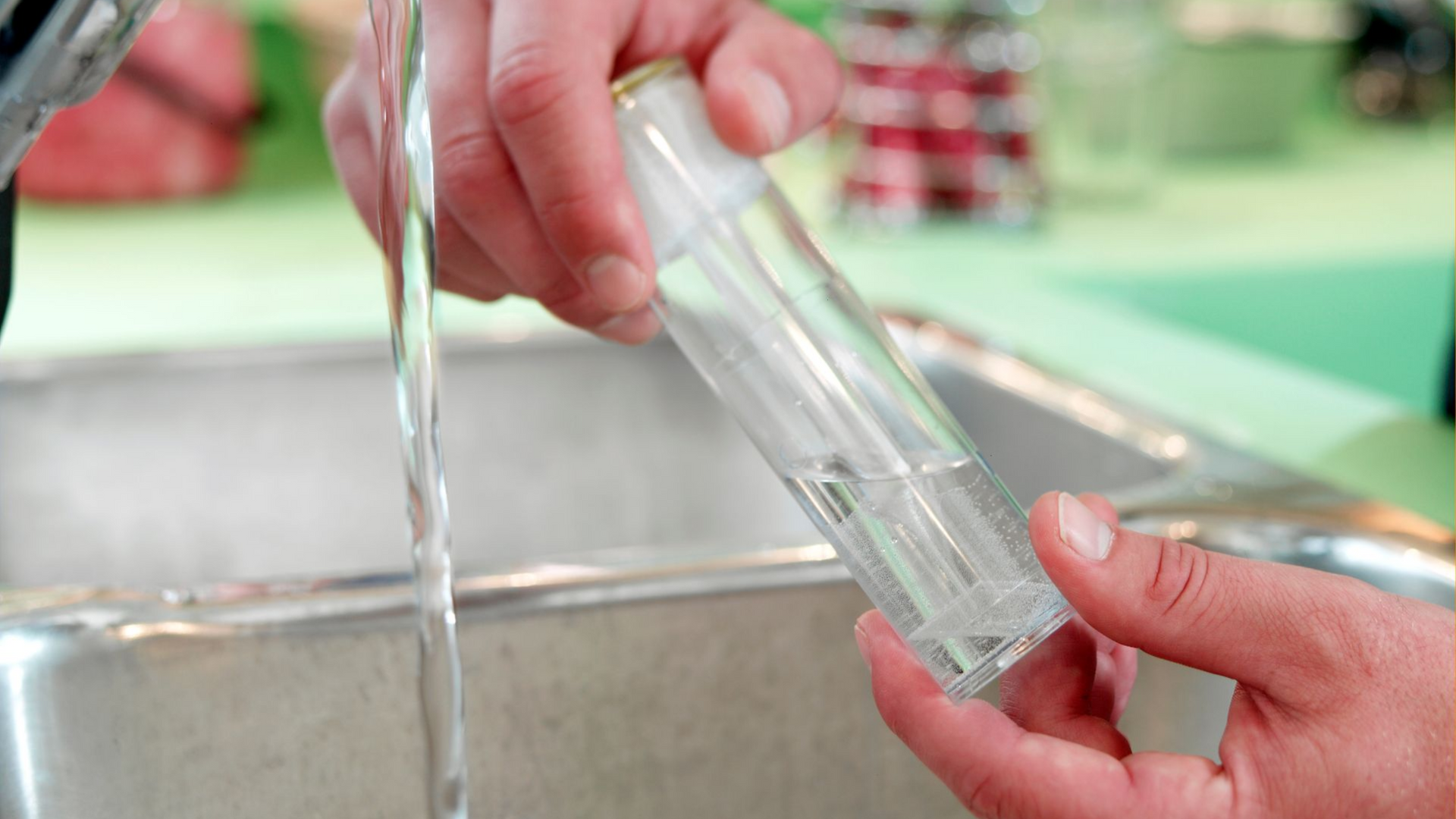
Before purchasing any filtration equipment, property owners must conduct a comprehensive chemical analysis. A standard laboratory test identifies the exact concentration of iron, measured in parts per million (ppm). This precise mathematical measurement dictates the physical size of the required oxidation tank and the specific type of catalytic media needed.
Furthermore, laboratory testing identifies competing water chemistry factors. For an iron oxidation filter to work effectively, the water must possess a neutral or slightly alkaline pH. If the well water is highly acidic, the oxidation process will fail, and the iron will slip right through the filter. Comprehensive testing reveals if an acid-neutralizing system must be installed prior to the iron filter. For guidance on how to secure accurate baseline data, reviewing the protocols for well-water testing ensures that your infrastructural investments are guided by hard science rather than assumptions.
Frequently Asked Questions
Can a water softener remove any amount of iron?
A standard cation-exchange water softener can technically remove very small amounts of clear-water (ferrous) iron, usually up to 1 part per million (ppm), provided the water pH is perfectly balanced. However, continuously running even trace amounts of iron through a softener requires specialized resin cleaners and drastically shortens the lifespan of the equipment. It is never recommended as a primary iron treatment strategy.
Why does my water look clear but turn brown in the toilet?
This indicates the presence of dissolved, ferrous iron. Deep in the bedrock aquifer, the iron is completely dissolved and invisible. When the water enters your toilet bowl and sits in the open air, the oxygen in the environment causes the dissolved iron to oxidize. It precipitates into solid, rust-colored particles that settle on the porcelain, creating stubborn brown stains.
Will iron bacteria ruin a water softener?
Yes. Iron bacteria are living organisms that feed on the iron present in your groundwater. They do not cause biological illness, but they create a thick, brown, gelatinous slime as a byproduct. This slime will completely coat the internal valves, injectors, and resin beads of a water softener, rendering the entire system permanently useless. Iron bacteria must be eradicated through professional well shocking before any filtration equipment is installed.
How do I know if my well water has iron or manganese?
The physical indicators of iron include rust-colored stains on plumbing fixtures and a metallic taste. Manganese presents similarly but typically leaves dark brown or black stains, particularly in dishwashers and laundry. While the stains confirm their presence, the only way to know the exact concentration required for sizing a treatment system is to have a water sample analyzed by a certified laboratory.
What is the best way to remove heavy iron from a private well?
The most effective and durable method for removing heavy iron is a dedicated oxidation and filtration system. This equipment injects an oxidant (like air or chlorine) to force the invisible, dissolved iron to become a solid particle. The water is then pushed through a catalytic media tank that physically traps the solid rust, allowing only clean water into the home's plumbing framework.
Conclusion
Managing the water quality of a private well requires aligning your mechanical infrastructure with the geological realities of your property. Relying on a water softener for iron removal is a fundamental misapplication of technology that consistently results in fouled equipment and wasted capital. The dense, highly mineralized bedrock of New Hampshire, Vermont, and Massachusetts demands specialized intervention. By verifying your water chemistry through certified laboratory testing and installing dedicated oxidation and filtration systems, property owners can permanently establish a protective barrier that preserves their plumbing, protects their appliances, and guarantees clean water for daily use.
For property owners seeking additional information or professional support related to this topic, Wragg Brothers Well Drilling provides well drilling, pump systems, and water treatment services across Vermont, New Hampshire, and Massachusetts. Learn more at https://www.wraggbrothers.com/.