Well Water Testing: Ensuring Safe Drinking Water
Regular water testing is your only reliable defense against invisible threats lurking in your private well water. Unlike public water systems that operate under strict EPA oversight and mandatory monitoring, your private well water supply depends entirely on you to ensure its safety through consistent testing and quality management.
The Critical Importance of Well Water Testing
Private well owners face a fundamental challenge that users of municipal water systems never encounter: complete responsibility for monitoring drinking water quality. Unlike public water systems, which must test regularly for over 90 contaminants and meet EPA maximum contaminant levels, private wells operate outside federal oversight and mandatory testing requirements.
This regulatory gap affects over 15 million U.S. households that rely on private wells for their drinking water supply. Research from the U.S. Geological Survey reveals that approximately 25% of private wells contain at least one contaminant at concentrations above health-based benchmarks—often without any visible, taste, or odor indicators.
Contaminated well water poses serious health risks that remain completely undetectable without proper testing. Many dangerous substances including arsenic, lead, volatile organic compounds, and harmful bacteria are colorless, odorless, and tasteless. Your water can appear crystal clear while harboring contaminants that cause immediate illness or contribute to long term illnesses including cancer and neurological damage.
Regular testing serves as your early warning system, enabling you to address concerns before they escalate into costly health issues or system damage. Early detection through comprehensive water testing services protects your family's health while preserving your water system's integrity and your property's value.
Health Risks of Untested Well Water
The health consequences of consuming contaminated well water range from acute illness to severe chronic conditions. Total coliform bacteria and e coli contamination can trigger severe gastrointestinal illness, dehydration, and potentially life-threatening complications, particularly in children and elderly family members.
High nitrate levels present an especially dangerous threat to infants, causing methemoglobinemia or "blue baby syndrome"—a condition where nitrates interfere with the blood's ability to carry oxygen. Pregnant women also face elevated risks from nitrate exposure, making regular testing essential for households with vulnerable populations.
Heavy metals including lead, arsenic, mercury, and copper accumulate gradually in body tissues, causing long-term neurological damage, developmental delays in children, and increased cancer risk. Lead exposure particularly affects children's cognitive development, while arsenic exposure links to skin lesions, cardiovascular disease, and multiple cancer types.
Chemical contaminants from pesticides, industrial runoff, and volatile organic compounds increase cancer risk and can damage liver, kidney, and nervous system function. These substances often migrate from nearby agricultural operations, septic systems, or industrial sites into groundwater without any obvious warning signs.
Children, elderly individuals, pregnant women, and people with compromised immune systems face heightened vulnerability to waterborne diseases and contamination effects. For these populations, even low-level exposure to certain contaminants can trigger serious health complications that might not affect healthy adults.
Essential Contaminants to Test for in Well Water
Annual testing should include total coliform bacteria, e coli, nitrates, and ph levels as your foundation for safe drinking water monitoring. This core testing panel addresses the most common and immediately dangerous contamination threats facing private well owners.
Total coliform testing serves as an indicator of overall sanitary quality, while specific e coli testing confirms fecal contamination that signals serious health risks. Most labs process these bacterial tests quickly, often providing results within 24-48 hours to enable rapid response when needed.
Heavy metals testing becomes essential based on your local geology and potential contamination sources. Lead testing addresses risks from plumbing corrosion and local geological sources, while arsenic testing targets naturally occurring contamination common in many regions. Mercury and copper testing rounds out basic metals screening, particularly important for households with older plumbing systems.
Volatile organic compounds require testing if industrial activity, gas stations, or chemical storage facilities operate nearby. These substances migrate easily through soil and groundwater, potentially affecting wells considerable distances from contamination sources.
Agricultural areas demand pesticide and herbicide testing, particularly for wells located near farming operations or areas with heavy fertilizer use. These chemicals can persist in groundwater for years, creating ongoing exposure risks even after application practices change.
Regional geology determines additional testing needs including radon in high-risk areas and naturally occurring minerals like iron, manganese, and hydrogen sulfide that affect taste, odor, and water system performance. Your local health department can provide specific guidance on regionally important contaminants.
Recommended Testing Frequency and Timing
EPA recommendations establish annual testing for basic parameters as the minimum standard for responsible private well management. This annual schedule provides consistent monitoring to detect emerging problems before they become serious health threats or expensive system failures.
Test immediately after new well installation or major system repairs to ensure proper construction and avoid contamination from drilling or maintenance activities. Well shocking and disinfection procedures during installation require follow-up bacterial testing to confirm effective treatment.
Increase testing frequency to semi-annual if contamination sources exist nearby, including septic systems, agricultural operations, or industrial facilities. Wells located in areas with known contamination history or geological vulnerability benefit from more frequent monitoring to detect changes quickly.
Natural disasters and extreme weather events trigger additional testing requirements. Flooding can introduce surface water contamination directly into your well system, while land disturbances from construction, mining, or agricultural activities can mobilize previously stable contaminants.
Test whenever your water's taste, odor, or appearance changes, as these indicators often signal contamination issues requiring immediate investigation. Don't ignore even subtle changes in water characteristics, as they frequently precede more serious problems.
Households including vulnerable individuals—infants, pregnant women, elderly members, or people with compromised immune systems—benefit from more frequent monitoring to ensure optimal water safety for those most susceptible to contamination effects.
Professional Water Testing vs. DIY Options
Certified laboratory testing provides accurate, legally defensible results using EPA-approved methods and quality control procedures that DIY options simply cannot match. State-certified labs follow strict protocols for sample handling, analysis, and reporting that ensure reliable results for health protection decisions.
Professional sampling eliminates the guesswork and potential errors that compromise DIY test accuracy. Trained technicians understand proper collection techniques, timing requirements, and chain of custody procedures that preserve sample integrity from collection through analysis.
DIY test kits often miss important contaminants or provide false readings due to limited sensitivity, user error, or inadequate quality control. These kits may seem cost-effective initially, but inaccurate results can lead to false confidence in contaminated water or unnecessary treatment of safe water supplies.
Certified laboratory analysis enables comprehensive testing for multiple contaminants simultaneously, providing complete water quality assessment rather than the limited scope available through home testing kits. Professional testing includes detailed reporting and interpretation guidance that helps you understand results and determine appropriate actions.
The investment in professional testing prevents costly mistakes from inaccurate results while ensuring you have defensible documentation for property transactions, insurance purposes, or health investigations. When your family's health depends on water quality, professional testing provides the accuracy and reliability you need.
Proper Sample Collection Procedures
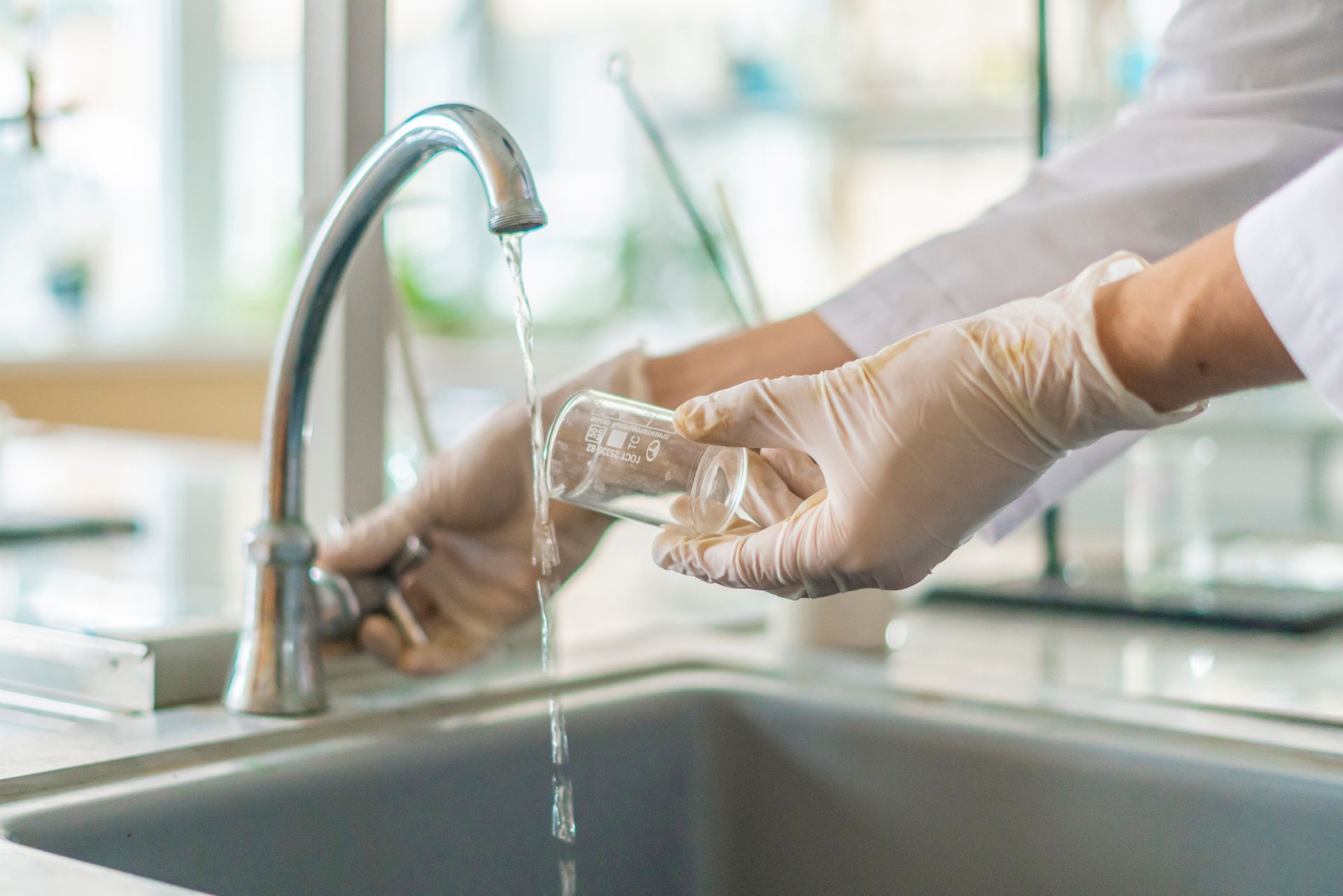
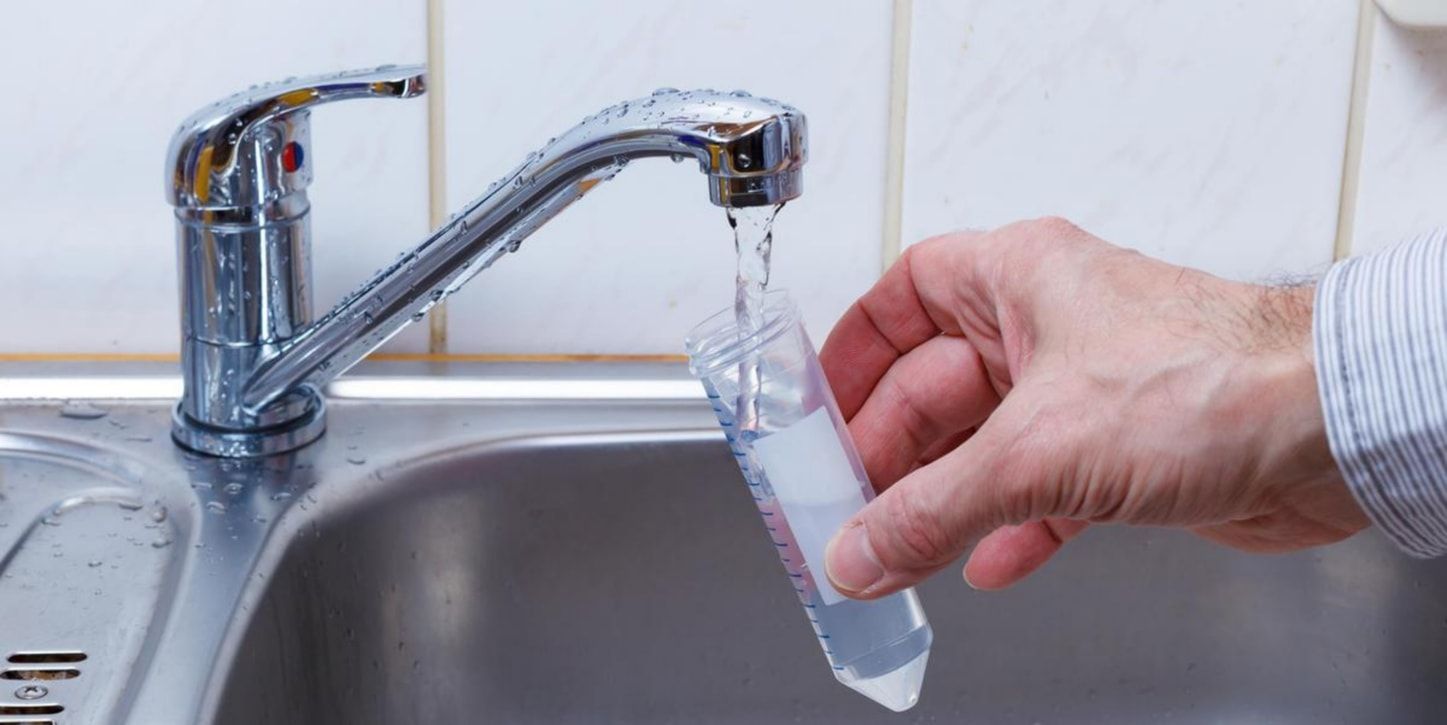
Successful water testing begins with proper sample collection using sterile containers provided by your certified laboratory. Never use household containers or reuse sample bottles, as contamination during collection can completely invalidate test results and lead to incorrect conclusions about your water safety.
Remove faucet aerators and thoroughly disinfect the sampling point before collection to eliminate external contamination sources that could affect bacterial testing results. Use a flame or disinfectant wipe according to your laboratory's sampling instructions to ensure a clean collection environment.
Run water for 3-5 minutes before collecting samples to flush stagnant water from pipes and obtain representative samples from your well system rather than water that has been sitting in your plumbing. This flushing step ensures test results reflect actual well water quality rather than plumbing-related issues.
Follow specific timing requirements for different contaminant types, as some substances require immediate processing while others remain stable for extended periods. Bacterial samples typically require delivery to the laboratory within 24 hours, while chemical analysis may allow longer holding times with proper preservation.
Maintain proper temperature during transport and respect delivery timeframes to preserve sample integrity. Many laboratories provide insulated containers or specific storage requirements to ensure samples remain viable until analysis begins.
Special procedures apply for bacteria, lead, copper, and radon testing due to their unique characteristics and collection requirements. Your laboratory will provide detailed instructions for these specialized tests to ensure accurate results.
Understanding and Interpreting Test Results
Compare your test results against EPA maximum contaminant levels (MCLs) and health advisories to determine whether your water meets safety standards for drinking water consumption. These federal benchmarks provide clear guidance on acceptable contaminant levels for health protection.
Understanding the difference between primary standards (health-based) and secondary standards (aesthetic) helps prioritize response actions. Primary standards address contaminants that pose direct health risks, while secondary standards cover issues like taste, odor, and staining that affect water acceptability but not necessarily safety.
Trending analysis becomes valuable when you maintain consistent testing records over time. Gradually increasing contaminant levels may indicate developing problems that require attention before they exceed safety limits or cause system damage.
Professional interpretation helps determine appropriate response actions when contaminants exceed safe levels or when multiple parameters suggest emerging issues. Many laboratories provide consultation services to help you understand complex results and develop effective treatment strategies.
Documentation of clean test results proves valuable for property transactions and insurance purposes, demonstrating responsible homeownership and due diligence in water safety management. Prospective buyers and lenders increasingly require water testing documentation for properties served by private wells.
Retesting protocols become necessary when initial results show contamination above acceptable levels. Follow-up testing confirms contamination persistence and treatment effectiveness, ensuring your response actions successfully address identified problems.
Treatment Options When Contamination is Detected
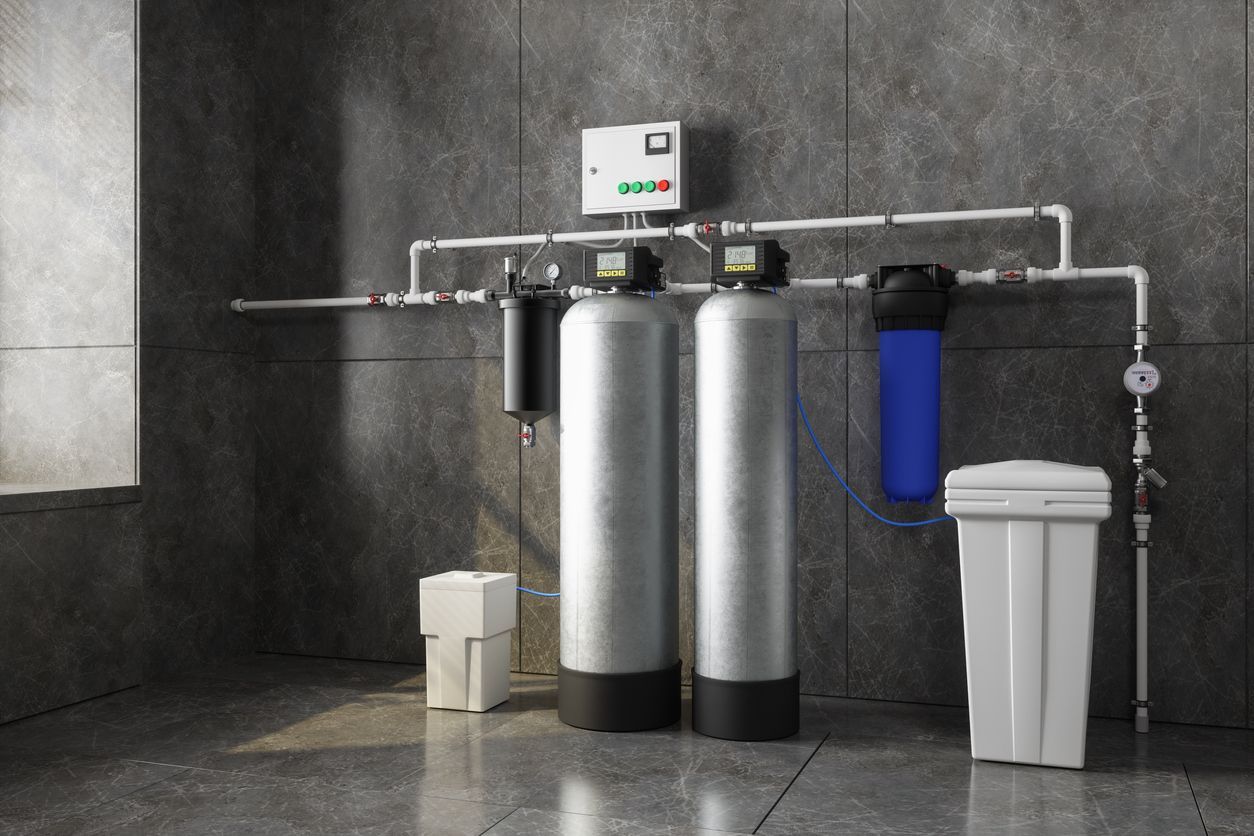
Point-of-use and point-of-entry treatment systems address different contamination types through targeted technologies designed for specific contaminant removal. Point-of-use systems treat water at individual faucets, while point-of-entry systems treat all water entering your household.
UV disinfection systems effectively eliminate bacterial contamination including total coliform bacteria and e coli through ultraviolet light exposure that destroys microbial DNA. These systems require minimal maintenance while providing continuous disinfection without chemical addition.
Reverse osmosis and activated carbon systems remove chemical contaminants including volatile organic compounds, heavy metals, and many synthetic chemicals. These technologies work through different mechanisms—reverse osmosis through membrane filtration and activated carbon through adsorption.
Water softening systems address mineral content issues including hardness, iron, and manganese that affect taste, odor, and cause staining or plumbing corrosion. These systems protect your water system infrastructure while improving water quality for household use.
Well shocking and disinfection procedures address bacterial contamination through controlled chlorine treatment of your entire well system. This process requires careful execution followed by flushing and retesting to confirm successful disinfection.
Consider drilling a new well when contamination levels exceed treatment capabilities or when treatment costs approach the expense of new well construction. Consult with experienced well professionals to evaluate whether treatment or replacement provides the most effective long-term solution.
Protecting Your Investment Through Regular Testing
Regular water testing preserves property value and marketability by providing documented proof of water safety that buyers, lenders, and real estate professionals increasingly require for private well properties. Clean test results enhance buyer confidence while contamination history can complicate sales or reduce property values.
Early detection through consistent testing prevents expensive system repairs and replacements by identifying problems before they cause extensive damage to your well pump, water treatment equipment, or household plumbing systems. Preventive monitoring costs far less than emergency repairs or system replacement.
Documentation demonstrates responsible homeownership and due diligence that may provide legal protection if water quality issues arise. Consistent testing records show that you've taken appropriate steps to monitor and maintain your water supply according to professional recommendations.
Compliance with local health department requirements ensures you meet any applicable regulations while staying informed about regional water quality concerns that might affect your well. Many jurisdictions provide guidance and resources specifically for private well owners.
Peace of mind knowing your family's water supply meets safety standards for safe drinking water consumption enables you to confidently use your well water for drinking, cooking, and all household needs without ongoing health concerns.
Partnership with experienced water testing professionals and well system contractors ensures comprehensive water system care through regular maintenance, appropriate testing schedules, and prompt response when issues arise. This professional relationship protects your investment while maintaining optimal water quality for your household's long-term health and safety.
Regular water testing represents essential maintenance for any private well system, providing the foundation for safe, reliable drinking water that protects your family's health while preserving your property investment for years to come.