Private Well vs Municipal Water: Complete Comparison
Choosing between private well water and municipal water systems represents one of the most significant decisions affecting your property's long-term costs, water quality, and operational independence. While municipal water offers regulated safety and convenience, private wells provide cost savings and control over your water supply. The best solution depends on your specific needs, location, and long-term goals.
Understanding Your Water Supply Options
The fundamental difference between private wells and city water lies in ownership, responsibility, and cost structure. Private wells draw groundwater from beneath your private property through a dedicated water system, while municipal water comes from the city's water supply through a shared distribution network managed by local governments.
Quick Comparison: Private Well vs Municipal Water
| Factor | Private Well | Municipal Water |
|---|---|---|
| Initial Cost | $8,000-$15,000 drilling + equipment | $2,000-$8,000 connection fees |
| Monthly Bills | $0 water usage (electricity only) | $50-$150 monthly water bills |
| Water Quality Control | Homeowner's responsibility | City water users benefit from EPA standards |
| Maintenance | Site owner manages all systems | Local municipality handles treatment |
| Water Access | Independent supply from groundwater | Dependent on city's water supply |
| Testing Requirements | Annual bacteria, periodic comprehensive | Regularly tested by water authorities |
In Vermont and New Hampshire, where Wragg Brothers Well Drilling has served communities for over 65 years, many rural and suburban properties rely on private water supply systems. Understanding the pros and cons of each option helps individual homeowners and businesses make informed decisions about their water source.
How Private Wells and Municipal Water Systems Work
Private Well System Components
Private well systems pump water directly from groundwater sources beneath your land. In Vermont and New Hampshire, well drilling typically reaches depths of 100-400 feet to access reliable aquifers. The complete water system includes:
Essential Components:
- Drilled well casing protecting the water source from contamination
- Submersible pump that moves water from underground to your home's pipes
- Pressure tank maintaining consistent water pressure throughout your property
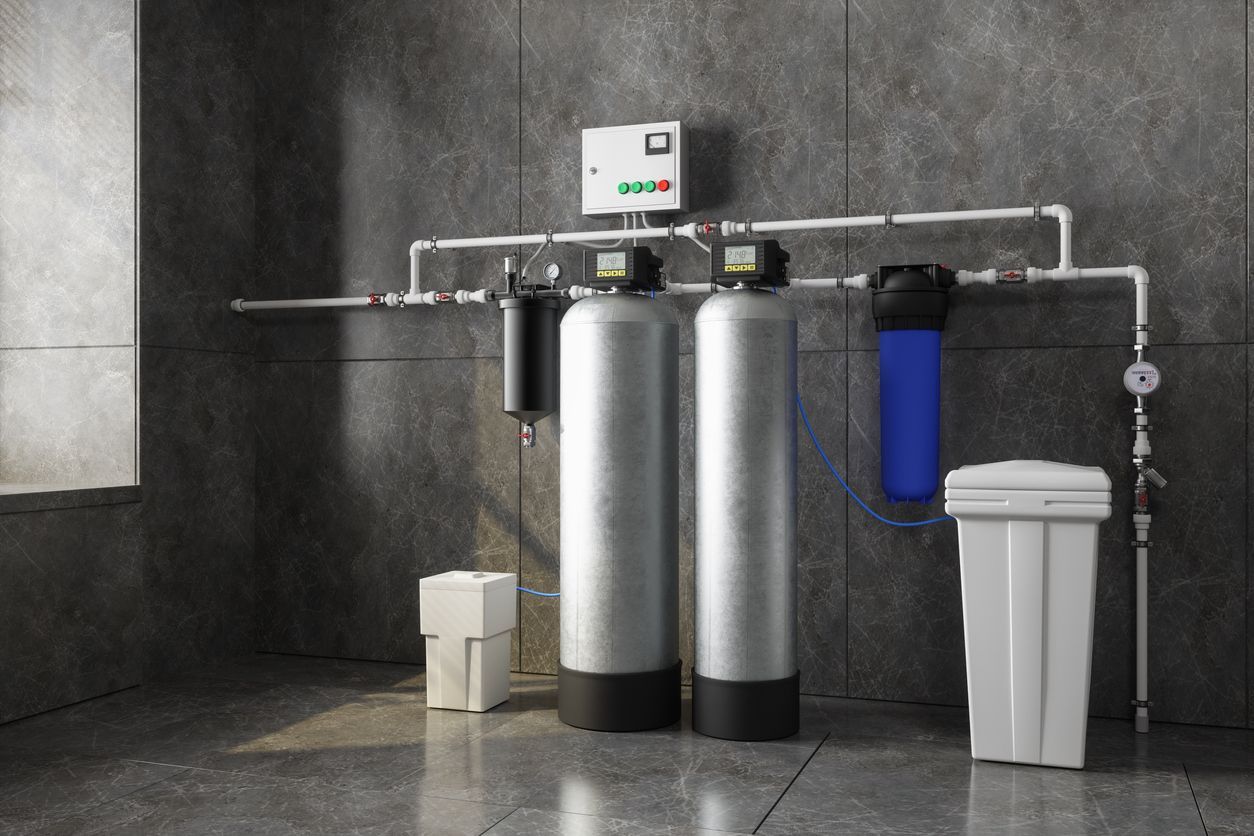
- Water treatment systems addressing specific quality issues like iron, sulfur, or mineral buildup
- Electrical controls managing pump operations and system monitoring
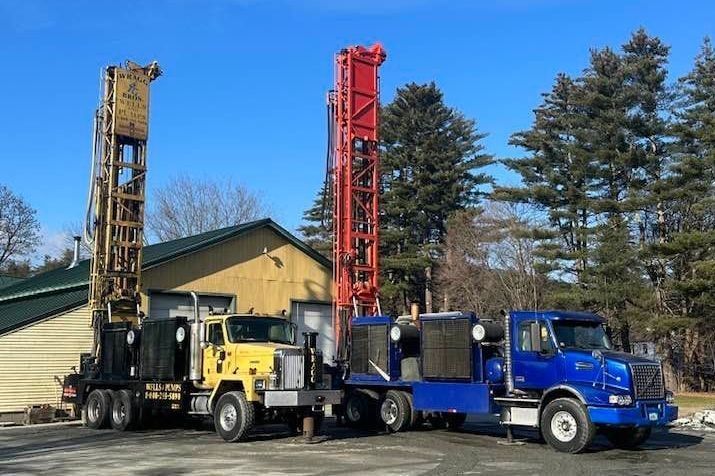
The drilling process begins with a professional site assessment to determine optimal well placement, considering factors like soil composition, depth to groundwater, and proximity to potential contamination sources like septic systems. Well drillers use specialized equipment to penetrate rock and soil layers, installing protective casing to ensure long-term water access.
Municipal Water Infrastructure
City water systems draw from surface water sources like rivers and lakes or from large municipal groundwater wells. The water undergoes comprehensive treatment including chlorine disinfection, filtration, and quality testing before distribution through underground pipes to connected properties.
Municipal Water Process:
- Source water collection from rivers, reservoirs, or municipal wells
- Water treatment facilities removing bacteria, heavy metals, and other contaminants
- Distribution systems delivering treated water through pressurized pipe networks
- Quality monitoring ensuring EPA compliance and public health protection
- Emergency protocols managing service interruptions and quality issues
Local governments maintain these systems, handling everything from water treatment to pipe maintenance, allowing city water users to simply turn on their taps for running water.
Private Well Advantages and Disadvantages for Homeowners
Private Well Benefits
Cost Savings Over Time: Once your well and water system are installed, you eliminate monthly water bills that average $50-80 in New England municipalities. Over 20 years, this represents savings of $12,000-$19,200 compared to municipal water costs, even accounting for maintenance and repair costs.
Water Quality Control: Many homeowners prefer the natural taste of well water, which often contains beneficial minerals from ground filtration. You control your water treatment process, installing water filtration systems, water softeners, or other equipment based on your specific needs rather than accepting whatever treatment the city provides.
Independence and Security: Private wells provide water access regardless of municipal service interruptions, rate increases, or usage restrictions during drought conditions. Your water supply remains under your direct control on your private property.
Property Value: Well-maintained private water supplies can enhance property values, particularly in rural areas where municipal connections aren't available.
Private Well Challenges
Upfront Investment: Well drilling costs in Vermont and New Hampshire typically range from $8,000-$15,000, plus additional expenses for water treatment equipment and electrical connections. This substantial initial cost can be challenging for many homeowners.
Maintenance Responsibility: As the site owner, you handle all aspects of your water system including pump maintenance, pressure tank servicing, water testing, and treatment system upkeep. This ongoing responsibility can be time consuming and requires attention to prevent quality issues.
Quality Testing Requirements: Private well owners must conduct annual bacteria testing and periodic comprehensive analysis for contaminants like heavy metals, nitrates, and other potential pollutants. These tests cost $50-300 annually, and any problems discovered become your responsibility to address.
Equipment Reliability: Well pumps typically last 8-15 years before requiring replacement, which can cost $1,200-$3,500 depending on well depth and system complexity. Power outages immediately stop water access unless backup electricity is available.
Municipal Water Pros and Cons for Homeowners
Municipal Water Benefits
Professional Quality Management: City water undergoes regular testing and treatment by trained professionals, meeting EPA standards for safety and quality. Local water authorities publish annual Consumer Confidence Reports detailing water quality test results and system performance.
Convenience and Reliability: Municipal water provides consistent water pressure and quality without requiring homeowner maintenance of treatment equipment or water testing. The local municipality handles all system operations, repairs, and quality monitoring.
Lower Initial Costs: Connecting to existing municipal water systems typically costs $2,000-$8,000 in connection fees, significantly less than private well drilling. Many properties in developed areas can connect immediately without additional construction.
Fire Protection: Municipal water systems often integrate with fire hydrant networks, potentially reducing homeowner insurance costs and improving emergency response capabilities.
Municipal Water Drawbacks
Ongoing Monthly Bills: City water users pay monthly water bills ranging from $50-150 for average households in New Hampshire and Vermont, plus additional sewer charges. These costs increase over time and continue indefinitely.
Limited Control: Homeowners cannot control water treatment methods, taste, or mineral content of municipal water. Chlorine taste and odor are common complaints, requiring additional filtration for those preferring natural taste.
Service Dependencies: Your water access depends entirely on municipal infrastructure performance. Service interruptions, main breaks, or treatment facility problems affect your water supply regardless of your property's condition.
Rate Increases: Municipal water rates increase periodically to fund infrastructure maintenance and improvements, creating unpredictable long-term costs for property owners.
Business Considerations: Private Wells vs Municipal Water
Commercial Well Water Benefits
Significant Cost Savings for High-Volume Users: Restaurants, hotels, manufacturing facilities, and agricultural operations using substantial water quantities can achieve dramatic cost reductions with private wells. A business using 10,000 gallons monthly might save $600-1,200 per month compared to municipal rates.
Process Control: Businesses requiring specific water quality parameters for manufacturing, food preparation, or other processes can design custom water treatment systems optimized for their operations rather than adapting to whatever the city provides.
Operational Independence: Private water supplies protect businesses from municipal usage restrictions, service interruptions, or rate structures that could affect operations or profitability.
Scalability: Well-designed private water systems can accommodate business growth and seasonal demand fluctuations without dependency on municipal capacity limitations.
Municipal Water for Business Operations
Predictable Operating Costs: Monthly water bills provide consistent, budgetable expenses for financial planning without large capital investments in drilling and equipment.
Regulatory Simplification: Businesses using municipal water avoid complex permitting and testing requirements associated with private commercial water systems, reducing administrative burden and compliance costs.
Professional Liability Coverage: Municipal water authorities assume responsibility for water quality compliance, reducing business liability for water-related health or safety issues.
Infrastructure Integration: Municipal water systems integrate easily with fire protection systems and meet building code requirements without additional engineering or permitting complexities.
Cost Analysis: Initial Investment vs Long-Term Expenses
Understanding the complete financial picture requires analyzing both upfront costs and long-term expenses for each water supply option.
Private Well Investment Breakdown:
- Well drilling and casing: $8,000-$12,000
- Pump and pressure tank system: $2,000-$4,000
- Water treatment equipment: $1,000-$5,000
- Electrical and plumbing connections: $1,500-$3,000
- Annual maintenance and testing: $300-$600
- Major repairs/replacements every 10-15 years: $2,000-$4,000
Municipal Water Costs:
- Connection fees: $2,000-$8,000
- Monthly water bills: $600-$1,800 annually
- Sewer charges: $400-$1,200 annually
- Rate increases: 3-5% annually typical
20-Year Cost Comparison: A typical Vermont household using municipal water pays approximately $30,000-$50,000 over 20 years in water and sewer bills, plus connection fees. A private well system costs $15,000-$25,000 initially, plus $8,000-$15,000 in maintenance and repairs over 20 years, totaling $23,000-$40,000.
The financial advantage of private wells increases with higher water usage, longer property ownership, and rising municipal rates.
Water Quality and Safety Considerations
Private Well Water Quality
Groundwater accessed through private wells often provides excellent natural taste due to mineral content acquired during soil and rock filtration. However, homeowners must actively protect water quality through proper well construction, regular testing, and appropriate treatment.
Common Vermont/New Hampshire Groundwater Issues:
- Iron and manganese causing staining and metallic taste
- Hydrogen sulfide creating sulfur odor
- Hard water from dissolved minerals affecting soap effectiveness
- Radon gas in some geological areas
- Bacteria from surface contamination or inadequate disinfection
Annual bacteria testing costs $25-50, while comprehensive water analysis including heavy metals, nitrates, and volatile organic compounds runs $150-400. Treatment solutions range from simple water softeners ($800-2,000) to comprehensive filtration systems ($3,000-8,000).
Municipal Water Standards
City water must meet EPA Maximum Contaminant Levels for over 90 regulated substances, with regular testing and public reporting requirements. Treatment typically includes chlorine disinfection, which eliminates bacteria but can affect taste and may create disinfection byproducts.
Municipal water quality issues often involve:
- Chlorine taste and odor requiring point-of-use filtration
- Aging pipes potentially introducing lead or copper
- Treatment byproducts from disinfection processes
- Service line problems affecting individual properties
Many city water users install additional filtration systems to improve taste and remove chlorine, adding $200-1,500 in equipment costs plus ongoing filter replacements.
Maintenance, Reliability, and Emergency Preparedness
Private Well Maintenance Requirements
Private well owners must maintain several system components to ensure reliable water access and quality:
Annual Maintenance Tasks:
- Water testing for bacteria and key contaminants
- Pressure tank and pump inspection
- Treatment system filter changes and cleaning
- Well cap and casing inspection for damage
- Electrical system and controls testing
Long-term Maintenance:
- Pump replacement every 8-15 years
- Pressure tank replacement every 10-20 years
- Treatment system upgrades as needed
- Well shocking (disinfection) when bacteria are detected
Emergency preparedness requires backup power for pump operation during outages, or alternative water storage for emergency situations.
Municipal Water Reliability
City water systems typically provide 99%+ uptime through redundant pumping, treatment, and distribution equipment. However, homeowners have no control over service interruptions from:
- Main breaks affecting neighborhood service
- Treatment plant maintenance or failures
- Power outages affecting municipal pumping
- Water quality incidents requiring boil-water notices
Municipal emergency protocols include public notification systems and alternative water distribution during extended outages.
Making the Right Choice for Your Property
Several factors determine whether private wells or municipal water better serves your specific needs:
Choose Private Wells When:
- Your property is in rural areas without nearby municipal infrastructure
- High water usage makes monthly bills expensive
- You prefer controlling your water treatment and quality
- Initial drilling investment fits your budget
- You're comfortable with ongoing maintenance responsibilities
Choose Municipal Water When:
- Connection to existing city systems is readily available
- You prefer professional water management without personal responsibility
- Initial well drilling costs exceed your budget
- Local geology creates challenging drilling conditions
- Business operations require simplified regulatory compliance
Location Considerations: In Vermont and New Hampshire, rural properties often require private wells due to limited municipal infrastructure coverage. Suburban areas may offer choice between systems, while urban properties typically connect to municipal water by necessity.
Wragg Brothers' Expertise in Water System Solutions
For over 65 years, Wragg Brothers Well Drilling has helped Vermont, New Hampshire, and Massachusetts property owners make informed decisions about their water supply needs. Our comprehensive services include:
Complete Well Services:
- Professional site assessment and well placement optimization
- State-of-the-art drilling equipment and techniques
- Water system design and installation
- Pump system services and maintenance
- Well inspections and water testing coordination
Specialized Solutions:
- Hydrofracturing to improve existing well yields
- Geothermal system installation for heating/cooling efficiency
- Water conditioning systems for quality improvement
- Emergency pump replacement and system repairs
Our experienced team understands local geology, water quality challenges, and regulatory requirements throughout our service area. We guide property owners through the entire process from initial consultation through system commissioning and ongoing support.
Expert Consultation for Your Water System Decision
Choosing between private well water and municipal water requires careful consideration of your property's unique conditions, water demand, budget, and long-term goals. Wragg Brothers Well Drilling provides professional consultation to help you make the best decision for your specific situation.
Our site assessment process evaluates:
- Local groundwater availability and quality
- Soil conditions and drilling requirements
- Proximity to potential contamination sources
- Municipal water availability and connection costs
- Your current and projected water usage needs
Whether you're building a new home, upgrading an existing water system, or evaluating options for a business location, our decades of experience ensure you receive reliable guidance and quality installation.
Contact Wragg Brothers Well Drilling today for a comprehensive consultation about your water system options. Visit https://www.wraggbrothers.com to learn more about our services, or check out our blog for expert guidance and resources on well water systems, and schedule your professional assessment. Let our family's 65+ years of expertise help you secure reliable, safe water access for your property's future.