Why Did My Well Water Turn Brown After a Storm? Spring Runoff & Mud Season Solutions
You turn on your faucet after a heavy spring rain, and instead of clear water, you see murky brown or rust-colored liquid flowing out. Your heart sinks. Is your water safe? Is your well damaged? Should you call someone right now?
Take a deep breath. You're not alone, and brown well water after rain is surprisingly common in Vermont, New Hampshire, and throughout New England—especially during mud season and spring thaw. While discolored water is certainly alarming, it's often a temporary condition that can be understood, managed, and prevented. At Wragg Brothers Well Drilling, we've helped hundreds of New England families navigate this exact situation since 1965.
In this comprehensive guide, we'll explain exactly what causes your well water to turn brown after storms, help you determine whether it's dangerous, and give you clear action steps to restore your water quality. Most importantly, we'll show you how to protect your well from future seasonal issues.
What Causes Brown Well Water After Rain or a Storm?
When your well water suddenly turns brown following a rainstorm, snowmelt, or during Vermont's notorious mud season, several factors could be at play. Understanding the root cause helps you respond appropriately and avoid unnecessary panic.
Spring Runoff and Surface Water Infiltration
During heavy rains or rapid snowmelt, large volumes of surface water move across your property. If your well cap is damaged, improperly sealed, or located in a low-lying area, this runoff can infiltrate your well system. The water carries sediment, organic matter, and surface debris directly into your water supply, causing sudden discoloration.
This is especially common during New England's mud season (typically late March through early May) when freeze-thaw cycles loosen soil, saturate the ground, and create ideal conditions for surface contamination.
Sediment Disturbance in the Well
Heavy rainfall raises the water table rapidly, increasing pressure within your well and disturbing sediment that has settled at the bottom. When groundwater levels fluctuate dramatically—which happens frequently during spring storms—this sediment gets stirred up and circulates through your water system.
Wells drilled into certain types of bedrock, particularly the fractured granite and schist common throughout Vermont and New Hampshire, are especially prone to sediment issues because these formations naturally contain fine particles that can be mobilized during geological shifts.
Iron and Manganese Oxidation
New England's bedrock is rich in naturally occurring iron and manganese. When storm conditions change the chemistry or oxygen levels in your aquifer, these minerals oxidize and create the characteristic brown, orange, or reddish tint in your water. This is particularly common in older wells or those that haven't been properly maintained.
Well Construction Issues
If your well is older or wasn't constructed to current standards, you may be dealing with corroded or damaged well casing that allows surface water entry, compromised well caps or seals that fail during heavy weather, insufficient grouting around the well casing, or poor surface drainage directing water toward your wellhead.
These structural vulnerabilities become most apparent during severe weather events when your well faces maximum stress.
Is Brown Water Dangerous to Drink or Use?
This is the question on every homeowner's mind when they see discolored water. The answer depends on what's causing the brown color.
When Brown Water Is a Cosmetic Nuisance
In many cases, brown well water after rain is not immediately dangerous , though it's certainly unpleasant and should not be consumed until you know the cause. Simple sediment discoloration from stirred-up minerals or harmless soil particles may stain your laundry and fixtures but doesn't necessarily pose health risks.
Signs that your brown water is likely a cosmetic issue: the water clears up after running for several minutes, no unusual odors accompany the discoloration, the problem appeared immediately after heavy rain or snowmelt, your well has a history of seasonal sediment issues, and water testing shows elevated iron or manganese but no bacteria.
When Brown Water May Indicate Contamination
However, surface water infiltration can introduce serious contaminants including bacteria, viruses, agricultural chemicals, or waste products. You should treat brown water as potentially unsafe if the water has a foul odor (septic, musty, or chemical smell), the discoloration persists for more than 24-48 hours, you experience gastrointestinal symptoms after exposure, your well cap is visibly damaged or missing, your property has known septic, agricultural, or industrial contamination sources nearby, or you notice debris, particles, or an oily film in the water.
Critical safety rule: When in doubt, do not drink, cook with, or bathe in discolored well water until you've had it tested or inspected by professionals.
What Should You Do First When Your Well Water Turns Brown?
If you've just discovered brown water coming from your taps, follow these immediate action steps to protect your family and assess the situation.
Immediate Safety Steps
Stop using the water for drinking and cooking. Switch to bottled water until you determine the cause and safety of your well water. Even if the discoloration seems minor, err on the side of caution.
Flush your system carefully. Run cold water from an outdoor spigot or basement utility sink for 10-15 minutes to see if the water clears. Avoid using hot water or running water through your water heater, as sediment can damage heating elements and settle in the tank.
Check your well cap and immediate area. Visually inspect your wellhead for obvious damage, standing water, or debris. Look for signs that surface water has pooled around or flowed over your well cap during the storm.
Inspect your water filtration system. If you have sediment filters, check whether they're clogged. A suddenly clogged filter indicates heavy sediment load in your water. Replace filters if necessary, but remember this addresses symptoms, not the root cause.
Document the situation. Note when the discoloration started, recent weather events, how long water takes to clear, and any unusual odors or characteristics. This information helps professionals diagnose the problem quickly.
When to Call a Professional Immediately
Contact Wragg Brothers Well Drilling or another qualified well service provider right away if water doesn't clear after 30 minutes of flushing, you detect foul odors or see visible debris, your well cap is damaged, loose, or missing, you suspect surface contamination from septic systems or chemicals, family members are experiencing health symptoms, or this is the first time you've experienced this issue and you're unsure of your well's condition.
"Most cases of brown water after spring storms are resolved quickly once we identify whether it's simple sediment or a structural issue requiring repair. The key is getting a professional assessment within 24-48 hours to prevent ongoing problems." – Wragg Brothers Well Drilling Team
Water Testing Recommendations
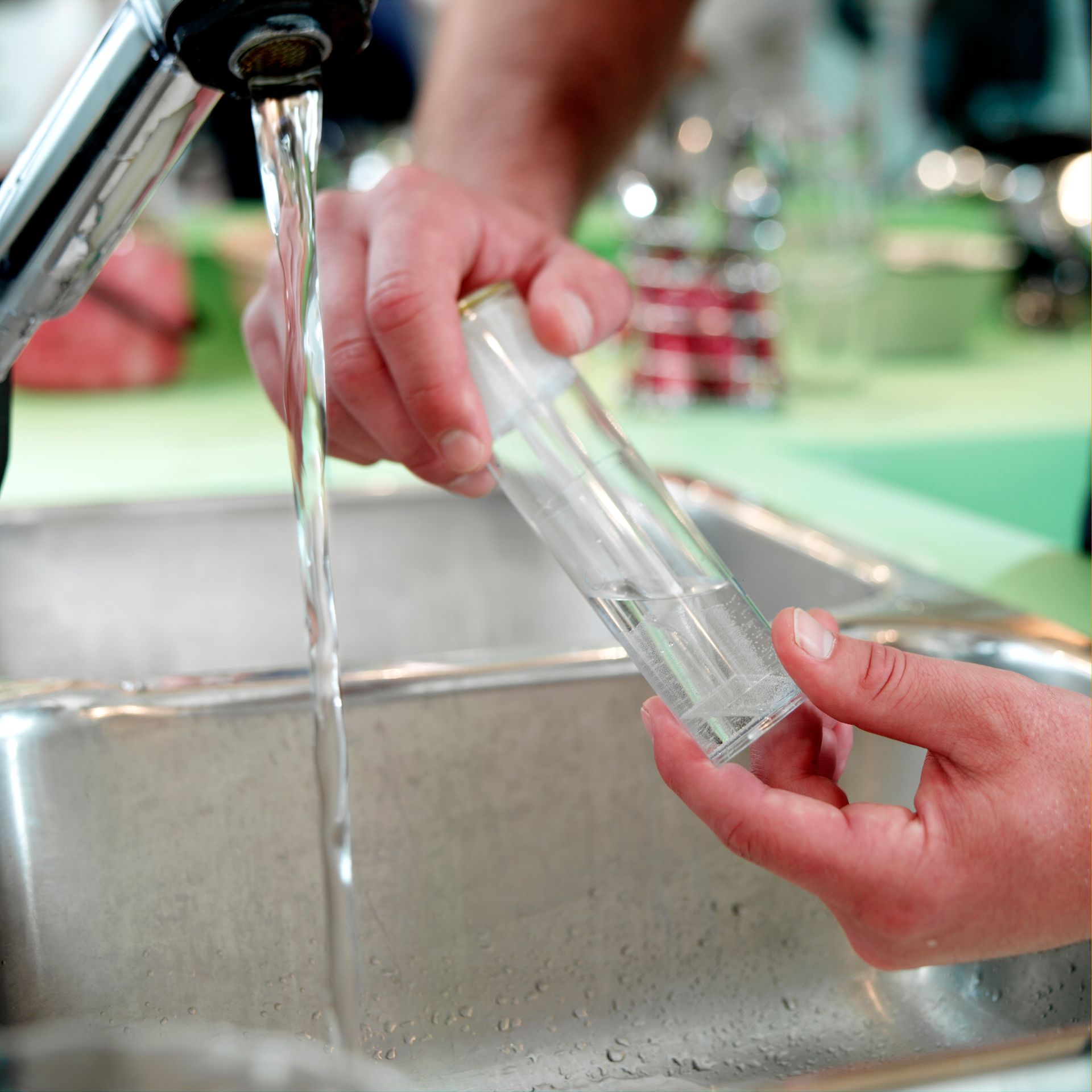
Even if your water clears up on its own, we strongly recommend testing after any contamination event . At minimum, test for coliform bacteria (indicates potential fecal contamination), E. coli (specific indicator of dangerous contamination), iron and manganese (explains discoloration), turbidity (measures sediment levels), and pH levels (indicates water chemistry changes).
Wragg Brothers can arrange comprehensive water testing and interpret results in the context of your well's specific situation.
Preventing Brown Water in the Future
Once you've addressed the immediate crisis, focus on preventing recurrence. Spring after spring, mud season after mud season, your well shouldn't be giving you this stress.
Well Cap and Surface Seal Integrity
Your well cap is your first line of defense against surface contamination. A properly installed, sanitary well cap creates a watertight seal that prevents runoff, insects, animals, and debris from entering your water supply.
If your well cap is old, damaged, or was never properly installed to current standards, replacement is one of the most cost-effective preventive measures available. Wragg Brothers can inspect your wellhead and recommend appropriate upgrades, including modern sanitary well caps with vermin-proof screens, proper grouting and sealing around the well casing, elevated well cap installations in flood-prone areas, and protective wellhead covers or housings.
Improve Surface Drainage Around Your Well
Water should always flow away from your wellhead, not toward it. During site visits, we frequently find wells located in natural drainage pathways or low spots where water naturally collects during storms.
Simple drainage improvements can make a dramatic difference. Grade soil to create positive drainage away from the well, install French drains or swales to redirect runoff, extend downspouts and roof drainage away from well areas, avoid landscaping changes that direct water toward your well, and consider raising your wellhead if it's in a chronically wet location.
Upgrade Your Filtration and Treatment Systems
While filtration doesn't prevent contamination, a properly designed whole-house filtration system protects your home from the effects of sediment intrusion and gives you peace of mind during storm events.
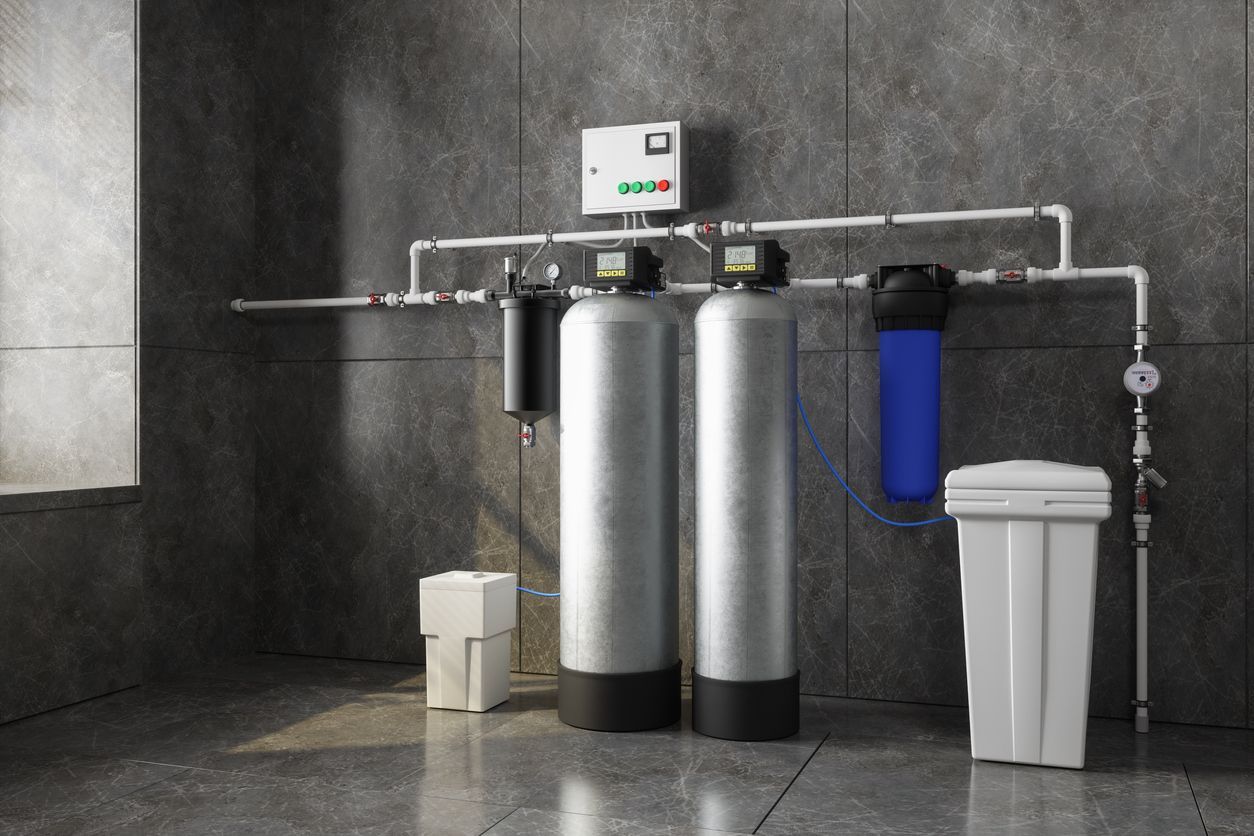
Consider these upgrades: sediment pre-filters (5-20 micron) to capture particles before they reach your pressure tank, iron and manganese removal systems for homes with chronic mineral discoloration, UV disinfection systems for ongoing bacteria protection, and whole-house carbon filtration for taste, odor, and additional contaminant removal.
Wragg Brothers can design a filtration strategy matched to your water quality, budget, and specific concerns.
Schedule Regular Professional Well Inspections
Prevention is always cheaper than emergency repairs. Annual or bi-annual well inspections allow professionals to identify and address small issues before they become major problems during the worst possible moment—like during a spring storm when you need your water most.
During a comprehensive well inspection, Wragg Brothers examines well cap and seal condition, casing integrity and any visible corrosion, water quality and flow rate, pressure tank and pump performance, surface conditions and drainage patterns, and overall system vulnerabilities.
We can also perform video inspections of your well bore to check for structural issues, sediment accumulation, or other problems invisible from the surface.
Mud Season and Spring in New England: Unique Local Challenges
If you're new to Vermont or New Hampshire, you might not yet appreciate the unique challenges that mud season presents for well owners. If you're a longtime resident, you already know—mud season is legendary for a reason.
Why New England Wells Are Particularly Vulnerable
Our region's geology, climate, and seasonal patterns create perfect conditions for well water quality issues. Freeze-thaw cycles expand and contract soil, potentially compromising well casings and seals. What was watertight in summer may develop tiny cracks or gaps during winter that become major infiltration points come spring.
Rapid snowmelt combined with spring rains can raise the water table by several feet in a matter of days, creating enormous pressure changes that disturb sediment and force surface water into any available opening. Fractured bedrock geology means New England wells rely on water flowing through natural cracks and fissures in rock formations. These same fractures can shift, clog, or change characteristics during heavy water movement.
Older well construction standards mean many Vermont and New Hampshire wells were drilled decades ago using methods that don't meet current contamination-prevention standards.
Tips for Recurring Seasonal Issues
If you experience brown water every spring or after major storms, you're dealing with a pattern that requires systematic solutions.
Document the pattern. Keep records of when discoloration occurs, weather conditions, and how long it takes to resolve. This data helps professionals identify whether you're dealing with surface infiltration, sediment disturbance, or water chemistry changes.
Plan ahead. Stock bottled water before mud season arrives. Know your well service provider's contact information and have a plan for temporary water alternatives if needed.
Address the root cause. Recurring seasonal problems indicate an underlying structural or location issue that won't resolve on its own. Investing in proper repairs now prevents ongoing stress and potential health risks year after year.
Consider well rehabilitation. For older wells with chronic issues, professional rehabilitation services including cleaning, sealing, and structural improvements can dramatically extend well life and eliminate seasonal problems.
Monitor water table levels. Understanding your property's specific hydrology helps predict when problems are most likely to occur and take preventive action.
Restore Your Water Quality and Peace of Mind
Dealing with brown well water after rain or during New England's challenging mud season is stressful, but it doesn't have to be a recurring nightmare. Most well water discoloration issues can be diagnosed, treated, and prevented with the right expertise and timely action.
Whether you're facing an immediate emergency or want to prevent future problems before the next spring thaw, Wragg Brothers Well Drilling brings nearly 60 years of New England experience to every service call. We understand the unique challenges of Vermont and New Hampshire's geology, climate, and seasonal patterns because we've been solving these exact problems for generations of local families.
Take Action Today
Don't wait until the next storm to address your well's vulnerabilities. Contact Wragg Brothers Well Drilling for emergency brown water assessment and testing, comprehensive well inspections before mud season arrives, well cap replacement and surface sealing to prevent contamination, drainage improvements and site work to protect your wellhead, water treatment system design and installation, and well rehabilitation for older or underperforming systems.
Call us at 800-255-5890 to schedule your well inspection or discuss your brown water concerns with our experienced team.
Our family has been protecting New England families' water supplies since 1965. Let us help you enjoy clean, clear, reliable water—no matter what Mother Nature throws your way.