Hydrofracking for Water Wells vs. Deepening: Which Solution Works Best for Low-Yield Wells?
If you've noticed your water pressure dropping, your well running dry during summer months, or your pump cycling more frequently than usual, you're likely dealing with a low-yield well. For New England homeowners and business owners, this isn't just an inconvenience—it's a serious concern that can affect daily operations, property value, and quality of life. The good news? You may not need to drill an expensive new well. Modern solutions like hydrofracking for water wells can restore your water supply at a fraction of the cost of replacement.
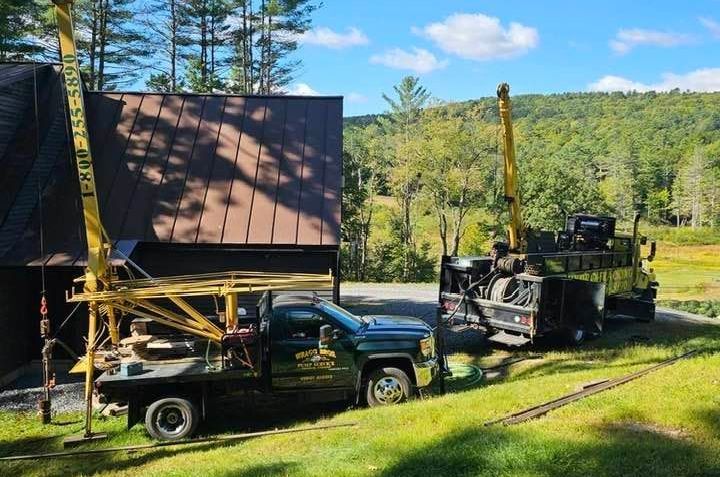
At Wragg Brothers Well Drilling, we've helped thousands of New England property owners solve low-yield problems since 1965. In this comprehensive guide, we'll compare two primary solutions—hydrofracking and deepening—so you can make an informed decision about which approach is right for your situation.
Understanding the Low-Yield Well Problem
What Causes Wells to Lose Production?
Low-yield wells aren't always the result of poor initial drilling. Several factors can reduce your well's performance over time. Mineral buildup and sediment accumulation can clog natural fractures in bedrock, while seasonal water table fluctuations are common throughout Vermont, New Hampshire, and Massachusetts. As families grow or properties expand, increased household demand puts additional strain on existing wells. Geological changes in the surrounding aquifer, along with iron bacteria and biofilm that restrict water flow through rock formations, can also contribute to declining well performance.

Common Warning Signs Homeowners Notice
You might be experiencing reduced water pressure in showers and faucets, or wells that recover slowly after heavy use. Pumps that run longer or more frequently, complete well failure during dry summer months, and sediment or air in your water lines are all telltale signs of a low-yield well. These symptoms often lead property owners to assume they need a costly new well. However, in many cases throughout New England's bedrock geology, hydrofracking for water wells offers a proven, cost-effective alternative.
What is Hydrofracking for Water Wells?
The Process Explained
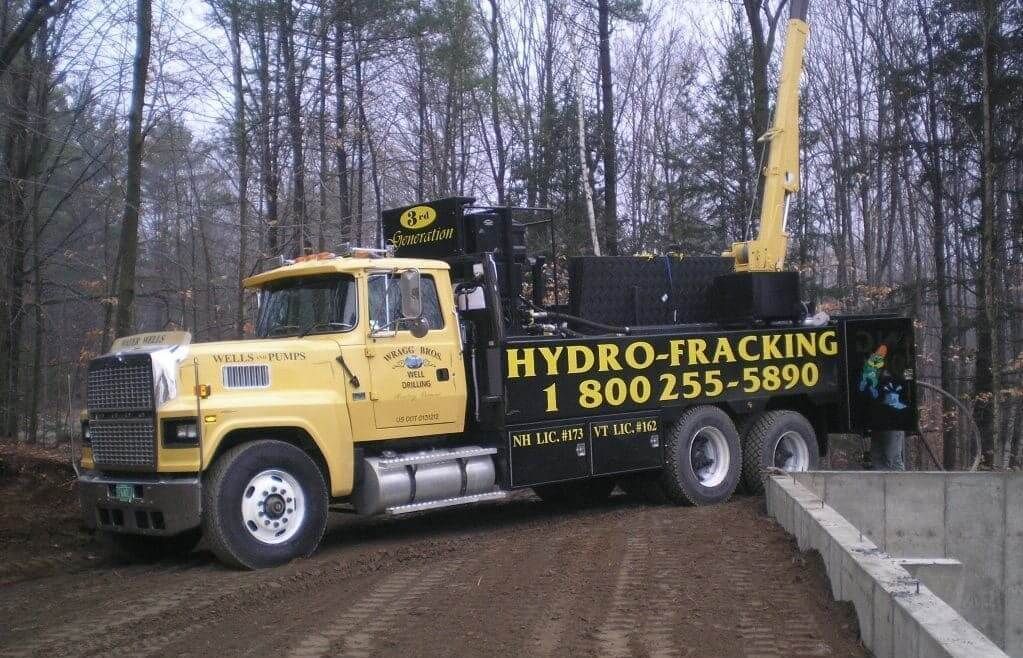
Hydrofracking (also called hydrofracturing) is a specialized technique that uses high-pressure water to open, clean, and expand natural fractures in bedrock. Here's how it works: First, a specialized packer system isolates sections of your well. Then, clean water is pumped at controlled high pressure (typically 1,500-3,000 PSI). This pressure opens existing fractures and creates new pathways for water flow. Next, sediment, mineral deposits, and debris are flushed from the system. Finally, your well's new yield is measured and documented to confirm the improvement.
The entire process typically takes 4-8 hours and requires no excavation or new drilling. This means minimal disruption to your property and daily life while delivering powerful results.
Key Benefits of Hydrofracking
Cost savings stand out as one of the primary advantages—hydrofracking typically costs 50-70% less than drilling a new well. The minimal disruption means no heavy excavation equipment tearing up your lawn or driveway. With proven effectiveness and success rates of 85-95% in New England's fractured bedrock geology, homeowners can feel confident in the solution. Results typically last 15-20+ years, providing permanent improvement to your water supply. Best of all, the process is environmentally friendly, using only clean water with no chemicals or additives.
When Hydrofracking is Recommended
Hydrofracking for water wells works best when your well is drilled into fractured bedrock, which is common throughout New England. It's ideal when the well is experiencing reduced flow but isn't completely collapsed, and when water quality is acceptable but quantity is insufficient. The technique is most effective when initial well depth is adequate (typically 150+ feet in our region) and geological assessment indicates viable fracture zones.
Real Results from New England: In a recent project in Chittenden County, Vermont, we increased a homeowner's well yield from 2 gallons per minute (GPM) to 12 GPM through hydrofracking—transforming an unreliable water source into one that supports a growing family's needs.
What Does Deepening a Well Involve?
The Deepening Process
Well deepening extends your existing well shaft deeper into the earth to access additional water-bearing zones. The process includes mobilizing drilling equipment to your property, removing the existing pump and well components, drilling deeper into bedrock (typically 50-200 additional feet), installing new casing if required, and reassembling and testing the well system.
Cost and Time Considerations
Deepening a well involves significant investment. Equipment costs include full drilling rig mobilization, while labor requirements make it a multi-day project with a specialized crew. Materials such as additional casing and possibly a new pump add to the expense. The uncertainty factor is significant—there's no guarantee you'll hit productive water zones at greater depth. Typical cost ranges run from $8,000 to $15,000 or more, depending on depth and site conditions.
When Deepening Works (and When It Doesn't)
Deepening can be effective when geological surveys indicate promising water zones at greater depths, your current well is relatively shallow (less than 200 feet), and the existing well structure is sound and can accommodate extension.
However, deepening isn't always successful. In New England's complex bedrock geology, water doesn't always increase with depth. You could drill another 100 feet and still not improve your yield—meaning you've invested significantly with limited return.
Side-by-Side Comparison: Hydrofracking vs. Deepening
When comparing hydrofracking for water wells against well deepening, the differences are substantial. Average costs for hydrofracking range from $2,500 to $4,500, while deepening typically runs $8,000 to $15,000 or more. Time required is dramatically different—hydrofracking takes just 4-8 hours compared to 2-5 days for deepening.
Success rates favor hydrofracking at 85-95% in fractured bedrock, while deepening achieves 60-75% success rates with high variability. Property disruption is minimal with hydrofracking but significant with deepening due to heavy equipment requirements. Guaranteed results show high confidence for hydrofracking in suitable geology, while deepening results remain uncertain and depend on finding water at greater depths.
Longevity of results shows hydrofracking lasting 15-20+ years, while deepening varies widely. Hydrofracking is best for wells in fractured bedrock with existing infrastructure, while deepening works better for shallow wells with known deeper aquifers.
Expert Advice from Wragg Brothers Well Drilling
How We Determine the Best Solution
At Wragg Brothers, we don't believe in one-size-fits-all solutions. When you contact us about a low-yield well, here's what you can expect. Our comprehensive site evaluation reviews your well's history, measures current yield, and assesses geological conditions. When appropriate, we use video inspection with downhole camera systems to examine well condition, identify blockages, and evaluate fracture potential.
We provide an honest assessment, telling you whether hydrofracking for water wells is likely to succeed—or if another approach makes more sense for your specific situation. You'll receive transparent pricing with clear cost estimates and no hidden fees.
Key Decision-Making Tips
Consider hydrofracking when your well was productive in the past but has declined, you're in New England's bedrock regions (which you likely are), you want to avoid the disruption and cost of new drilling, and you're looking for a proven, environmentally friendly solution.
Consider deepening or a new well when your well is severely damaged or collapsed, hydrofracking has been attempted without success, geological testing shows poor fracture potential at current depth, or your existing well is very shallow (under 150 feet).
"Many homeowners assume their only option is drilling a new well at $15,000-$25,000. In our experience serving New England for nearly 60 years, we've found that hydrofracking successfully resolves 8 out of 10 low-yield situations—saving homeowners thousands while delivering long-term results." – Wragg Brothers Well Drilling Team
Common Myths and Misconceptions
Myth #1: "Hydrofracking Doesn't Work in New England Soils"
The Truth: New England's geology is actually ideal for hydrofracking. Our region's fractured bedrock formations—granite, schist, and other metamorphic rocks—respond exceptionally well to hydrofracturing. The technique was specifically developed for these conditions, making it particularly effective in Vermont, New Hampshire, Massachusetts, Connecticut, and Rhode Island.
Myth #2: "If Your Well is Low, You Always Need a New Well"
The Truth: This outdated assumption costs homeowners thousands unnecessarily. Modern hydrofracking technology can restore wells to like-new condition in the majority of cases. A proper evaluation by experienced professionals like Wragg Brothers will determine the most cost-effective solution for your specific situation.
Myth #3: "Hydrofracking Uses Dangerous Chemicals"
The Truth: Water well hydrofracking uses only clean water at high pressure. It's completely different from oil and gas fracking, which has given "fracking" a negative reputation. Well hydrofracking is environmentally safe and approved by state environmental agencies throughout New England. No chemicals, additives, or harmful substances are used in the process.
Restore Your Water Supply with Confidence
Dealing with a low-yield well is stressful, but you have options that don't involve the expense and disruption of drilling a new well. Hydrofracking for water wells has proven to be a game-changer for New England property owners, offering reliable results at a fraction of the cost of replacement.
Whether you're a homeowner in rural Vermont, a business owner in New Hampshire, or managing a commercial property in Connecticut, Wragg Brothers Well Drilling brings nearly 60 years of regional expertise to every project. We understand New England's unique geology, we know what works in our bedrock formations, and we're committed to finding you the most effective, affordable solution.
Take the Next Step
Don't wait until your well runs completely dry. Contact Wragg Brothers Well Drilling today for a comprehensive site evaluation. We'll assess your well's condition, explain your options, and provide honest recommendations based on what's best for your property—not what's most profitable for us.
Call us at 800-255-5890 or visit our contact page to schedule your consultation.
Let our family's expertise help your family solve your water challenges. Since 1965, we've been the name New England trusts for reliable well solutions.