Geothermal Drilling Historic Homes: Protecting Farmhouses and Landscapes
New England is defined by its historic architecture. Century-old farmhouses and colonials offer unmatched character, but they also rely on outdated, expensive heating infrastructure. As the cost of delivered heating oil and propane continues to fluctuate, property owners are increasingly looking toward earth-coupled heat pumps to achieve energy independence.
The primary hesitation for many homeowners is the installation process. Retrofitting a property requires bringing heavy machinery onto established, often fragile sites. Property owners reasonably fear that the intense vibration of a drilling rig might crack an aging dry-laid stone foundation or that the heavy equipment will destroy decades of heritage landscaping.
Understanding the mechanical realities of the installation process eliminates this uncertainty. Modern drilling technology and strict site management protocols allow professionals to execute geothermal drilling historic homes safely. This guide explains how vertical closed-loop systems are installed, the specific technologies used to minimize ground vibration, and how contractors protect delicate property features during the construction phase.
The Mechanics of a Vertical Closed-Loop System
Geothermal heating relies on the constant thermal temperature of the earth. In northern New England, the dense crystalline bedrock maintains a steady temperature of roughly 50 degrees Fahrenheit year-round. A geothermal system extracts this heat in the winter and uses the cool bedrock as a heat sink during the summer.
To access this thermal energy without excavating an entire yard, professionals install vertical closed-loop systems. A drilling rig bores a vertical hole, typically six inches in diameter, between 300 and 500 feet deep into the granite or schist bedrock. Installers then insert a continuous loop of high-density polyethylene pipe into the borehole.
A water-based fluid circulates through this pipe, absorbing the natural temperature of the earth before returning to a heat pump located inside the basement. Because the borehole is vertical rather than horizontal, the physical footprint required on the surface is exceptionally small. This vertical approach allows contractors to execute geothermal projects on tight, historic lots without requiring the massive trenching that ruins established lawns and gardens.
Assessing Foundation Risks During Geothermal Drilling Historic Homes
The most common concern when planning a geothermal retrofit is the structural integrity of the house itself. Many 18th and 19th-century New England homes feature fieldstone or rubble trench foundations. These foundations rely on gravity and friction rather than modern concrete and rebar.
Traditional water well drilling often utilizes an air rotary method. This technique relies on a high-pressure pneumatic hammer to crush the hard bedrock. While highly efficient in solid stone, this hammering action creates localized shockwaves. If a rig operates too close to a dry-laid foundation, the continuous vibration can cause the historic mortar or loose stones to shift.
To mitigate this risk, thorough site planning is mandatory. Professionals conduct a geological and structural assessment before positioning the rig. Health and safety codes already dictate strict setback distances from property lines and existing septic leach fields. When dealing with historic masonry, drillers will intentionally maximize the setback distance from the primary structure to ensure that the vibrational energy dissipates harmlessly into the surrounding earth before reaching the foundation walls.
Sonic Technology: A Low-Impact Drilling Alternative
When a property features extremely sensitive architecture or difficult surface soils, the drilling methodology can be adapted. While air rotary drilling is the cost-effective standard, sonic drilling offers a highly specialized alternative for fragile environments.
Instead of relying on heavy percussive hammering, a sonic drill head generates high-frequency resonant energy. This intense vibration is directed straight down the drill string. The resonance essentially fluidizes the soil, gravel, and rock immediately surrounding the drill bit, allowing the steel casing to advance smoothly and rapidly.
This technology produces significantly less ambient ground vibration than a pneumatic hammer. Furthermore, sonic drilling manages waste far more efficiently. Traditional drilling blows large volumes of rock dust and water slurry up to the surface, creating a messy work site. Sonic drilling contains the rock cuttings neatly, reducing surface waste by up to 80%. For high-value properties where preserving the immediate landscape is paramount, this specialized equipment provides a clean, low-impact installation path.

Managing Heavy Equipment and Heritage Landscaping
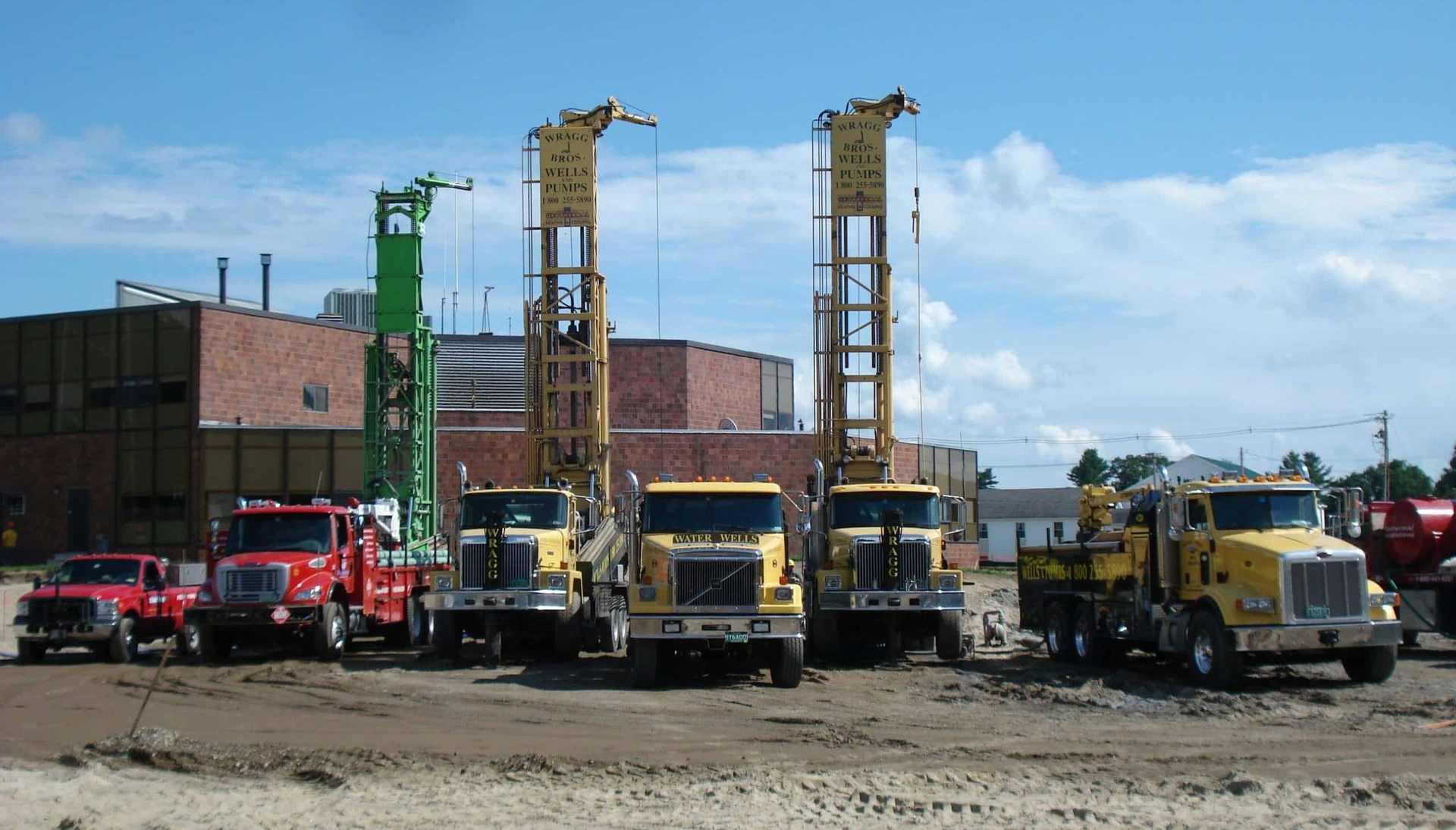
Regardless of the drilling method used, a commercial drill rig is a massive piece of heavy machinery. Moving a truck that weighs tens of thousands of pounds across a residential yard presents a distinct threat to turf, root systems, and buried utilities.
Professional drillers manage this weight through the use of specialized ground protection mats. These heavy-duty composite mats are laid down to create a temporary road from the driveway to the drilling location. They distribute the weight of the truck evenly across a wide surface area, preventing the tires from sinking into the topsoil or crushing the root zones of historic shade trees.
Water management is equally critical during the construction phase. Drilling through bedrock requires water to cool the drill bit and flush cuttings to the surface. Drillers utilize containment trenches and directional hosing to route this water runoff away from the home's foundation and away from sensitive garden beds. Once the underground loop is installed and grouted, the mats are removed, leaving the yard structurally intact and ready for simple topsoil restoration.
Achieving Independence and Modernizing the Home
Once the exterior drilling is complete, the focus shifts to the interior of the home. The geothermal heat pump connects to the home's electrical panel and integrates into the existing heat distribution framework. If the historic home utilizes forced air ductwork or large cast-iron radiators, the new system can often utilize that existing infrastructure to distribute the earth's thermal energy.
Transitioning away from fossil fuels stabilizes a property's utility costs for the long term. Geothermal systems move existing heat rather than burning oil to create it, resulting in massive operational efficiencies. Furthermore, these systems provide central air conditioning during the summer by reversing the heat exchange process, a feature many older homes entirely lack.
The initial infrastructure investment required to drill through New England bedrock is substantial. However, federal incentives significantly reduce this burden. The Federal Investment Tax Credit (ITC) allows property owners to claim a major percentage of the total installation cost against their taxes. Property owners can review the blog post titled “Why You Should Consider Geothermal for Your Home” to better understand the long-term financial calculations and environmental benefits associated with upgrading an aging residential property.
Frequently Asked Questions
How much space is required for geothermal drilling historic homes?
Vertical closed-loop systems require a surprisingly small surface footprint. The borehole itself is typically only six inches in diameter. The primary spatial requirement is simply providing enough clearance to safely maneuver the drilling rig into place and ensuring the truck has a stable, level area to deploy its stabilizing jacks.
Unlike horizontal loop systems, which require excavating vast, shallow trenches across an entire yard, a vertical loop confines the disruption to a single, localized point. This makes it the only practical option for historic homes situated on tight or heavily landscaped lots.
Will drilling vibrations crack my fieldstone foundation?
When managed correctly, drilling will not damage a historic foundation. Traditional air rotary drilling does create ground vibration, but professionals mitigate this risk through strict setback distances. By placing the borehole far enough away from the home, the shockwaves dissipate harmlessly into the earth.
For exceptionally fragile sites, contractors can utilize sonic drilling technology. Sonic drilling uses high-frequency resonance rather than heavy percussive hammering to penetrate the earth, drastically reducing ambient ground vibration and protecting sensitive architectural masonry.
Can an old farmhouse use its existing radiators with geothermal?
In many cases, yes. Geothermal systems require a water-to-water heat pump to interface with hydronic heating systems. Historic homes often feature large cast-iron radiators, which are excellent for geothermal applications. Because cast-iron radiators have a massive surface area, they can effectively heat a room even with the lower water temperatures that a geothermal heat pump produces.
However, homes with narrow copper fin-tube baseboards may require supplemental heating. Narrow baseboards are designed for the high-temperature water produced by oil boilers. A professional energy audit will determine if your existing radiators possess enough surface area to heat the home efficiently.
What happens to the rock dust and water during drilling?
Drilling through solid bedrock generates rock cuttings and requires water to keep the drill bit cool. In standard air rotary drilling, this creates a slurry that is blown to the surface. Professionals manage this by digging a temporary containment pit to catch the heavy rock dust while routing the excess water away from the foundation and gardens using discharge hoses.
If sonic drilling is utilized, the waste footprint is reduced by up to 80%. Sonic rigs can often deposit the rock cuttings directly into containment bags, creating a significantly cleaner work site and simplifying the final landscaping cleanup.
Does geothermal heating work during harsh New England winters?
Yes. Geothermal technology is highly effective in cold climates because it does not rely on the outside air temperature. While the air temperature in New Hampshire or Vermont might drop below zero in January, the bedrock 300 feet below the surface remains a constant 50 degrees.
The geothermal loop continuously extracts this stable, reliable heat from the deep earth. As long as the home's thermal envelope is properly insulated and the heat pump is sized correctly for the square footage, a geothermal system will comfortably heat an older home through the harshest winter conditions.
Conclusion
Upgrading a centuries-old property requires balancing modernization with preservation. Executing geothermal drilling historic homes allows property owners to eliminate their reliance on volatile fossil fuel markets and achieve true energy independence. While the prospect of heavy machinery on a heritage site can cause anxiety, understanding the precision of vertical boreholes, the low-impact capabilities of sonic technology, and the rigorous use of site protection mats removes the guesswork. By planning the installation carefully and respecting the structural limits of the property, homeowners can secure a sustainable, highly efficient climate control system that will serve the house for generations.
For property owners seeking additional information or professional support related to this topic, Wragg Brothers Well Drilling provides well drilling and water system services in New Hampshire. Learn more at https://www.wraggbrothers.com/.