Is Sputtering Water at Your Tap a Sign of a Blown Pump Check Valve? Resolving a Well Sputtering Air Out of Faucet
A steady stream of water is expected when you open a faucet supplied by a private well. If the tap begins coughing and spitting bursts of air, it indicates a mechanical compromise in your closed plumbing system.
For property owners relying on private wells, identifying the root cause of this pressure loss is essential for preserving water safety and preventing pump failure. If you are dealing with a well sputtering air out of faucet, understanding whether the issue stems from a blown check valve, a ruptured drop pipe, or a declining aquifer will help you take the right corrective action before minor issues escalate into expensive system overhauls.
Understanding the Check Valve: Why It Causes a Well Sputtering Air Out of Faucet
A check valve is a one-way valve that allows water to flow only toward your home, preventing it from draining back into the well. Submersible pumps rely on these valves to maintain constant system pressure when the motor is turned off. Usually, there is a check valve built directly into the discharge head of the pump, and another auxiliary check valve installed where the water line enters the basement pressure tank.
If a check valve fails or becomes jammed open by mineral scale, the water column inside the vertical drop pipe slowly bleeds backward into the well under gravity. This backward flow creates a vacuum inside the upper plumbing pipe. Air is then drawn into the line through tiny clearances or loose fittings to fill the empty space. When the well pump turns back on, it pushes this pocket of trapped air ahead of the water. The air travels through the tank and into your household pipes, resulting in the aggressive spitting and coughing of air at your fixtures.
This cycle repeats every time the pump restarts. The longer the system sits idle, the more water drains out, creating a larger air pocket and more severe sputtering at the tap.
The Role of Underground Drop Pipe Leaks
Sometimes the check valve works perfectly, but the vertical pipe carrying water from the pump to the surface—known as the drop pipe—has developed a physical leak. In New England, most residential well pumps are set hundreds of feet deep in crystalline bedrock. Over years of operation, the intense torque of the motor turning on and off can cause the drop pipe to rub against the abrasive steel casing or the rugged rock walls of the borehole.
If a hole or split develops in this drop pipe, pressurized water escapes through the opening and cascades back into the well casing. When the pump shuts off, water remaining above the hole drains back through it. This siphon pulls air into the pipe through the plumbing in the home or the wellhead seal. When the pump starts again, it must repressurize the pipe, sending a massive bubble of air straight to your faucets. Over time, these structural leaks can severely compromise your well water pump systems, forcing the pump to overwork and leading to motor burnout.
In addition, corrosive groundwater common in New Hampshire and Vermont can cause chemical degradation of older galvanized steel pipes, creating pinholes. Loose thermoplastic couplings can yield the same result, letting air bypass the sealed system and contaminate the water stream.
Sinking Aquifers and Air Intrusion
While mechanical failures are common, a sputtering faucet can also indicate a geological problem: a dropping static water level in the aquifer. Well systems in New Hampshire, Vermont, and Massachusetts draw from fracture-flow aquifers, where groundwater is stored in narrow cracks and fissures within solid bedrock rather than a uniform underground pool.
During dry summer months, the water level inside your well's borehole can decline. If the static water level drops below the physical intake screen of your pump, the motor will begin to draw in a mixture of water and air. This air is pushed into the pressure tank and ultimately travels up to your tap. Operating a pump in these dry conditions is highly destructive because submersible motors rely on cold groundwater to cool themselves. Without a constant flow of water, the pump will overheat and seize.
For property owners experiencing this, a professional well inspection is a critical diagnostic step to assess the well's depth, static water level, and overall performance. If the aquifer itself is depleted, options like hydrofracturing may be required to open up deeper, water-bearing veins in the rock to restore a safe and steady yield.
Diagnostic Protocols and Professional Intervention
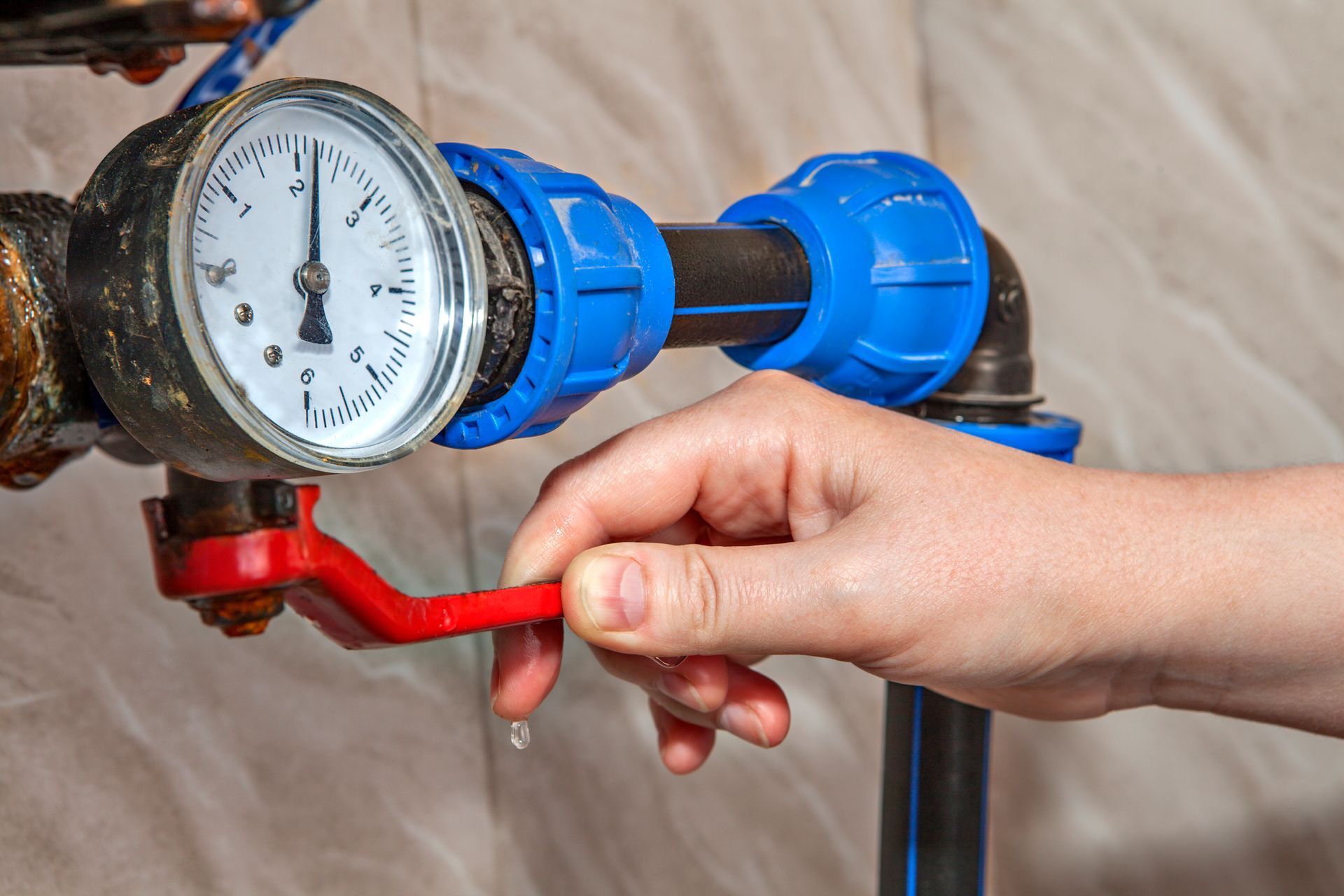
Diagnosing the exact source of a sputtering faucet requires a methodical approach. Homeowners can perform a basic visual check by looking at the pressure gauge located on the pressure tank. If the gauge shows a steady pressure that holds constant when no water is being used, but the faucets sputter immediately when turned on after hours of inactivity, a failed check valve is the highly probable culprit.
However, if the pressure gauge steadily drops when all household faucets are closed, water is actively leaking out of the system. This indicates either a leak in the underground lines, a ruptured drop pipe inside the well casing, or a leaking check valve allowing water to bleed back into the aquifer. Resolving these issues involves extracting the heavy pump and hundreds of feet of piping from the borehole, which requires specialized trucks and hoist equipment. Practicing preventative water well maintenance and troubleshooting is the most effective way to identify these mechanical vulnerabilities before they result in a complete loss of water.
A professional technician can install a pressure testing rig at the wellhead to isolate the underground drop pipe from the household plumbing. By pressurizing the well side independently, they can determine if the line holds pressure, preventing unnecessary excavation and ensuring the correct component is serviced.
Frequently Asked Questions
Why is my well sputtering air out of faucet?
A faucet that sputters air indicates that atmospheric air has breached the closed plumbing loop of your water system. This most commonly occurs when a mechanical check valve fails, allowing the water column inside the drop pipe to drain back into the well and pulling air in to replace it. It can also be caused by a physical hole in the drop pipe or a declining water level in the aquifer that exposes the pump intake to air.
When the pump starts up, it pushes the trapped air ahead of the water, forcing it through your pressure tank and out of your taps. Because the air is highly compressed, it exits the faucets with significant velocity, causing the spitting and coughing behavior.
Is a sputtering faucet dangerous for my well pump?
Yes, a sputtering faucet is a significant threat to the lifespan of your submersible pump. When air enters the system, it often causes the pump to turn on and off rapidly to maintain pressure. This rapid cycling generates extreme electrical and mechanical stress, quickly wearing out the pressure switch and burning out the pump motor.
Additionally, if the sputtering is caused by a low water level in the well, the pump may run dry. Submersible motors rely on the flow of cold groundwater across their outer shell to dissipate heat. Running dry for even a few minutes can cause the internal components to melt and the motor to seize permanently.
How do I test if my check valve is broken?
You can perform a simple drawdown test using the pressure gauge on your basement water tank. First, ensure all water-using appliances and faucets in the home are completely turned off. Go to your electrical panel and switch off the breaker labeled "Well" or "Pump" to prevent the system from automatically repressurizing.
Watch the pressure gauge closely for 30 to 60 minutes. If the pressure reading remains perfectly static, your check valves and piping are holding water successfully. If the pressure gauge steadily drops while the pump is off and no water is running inside the house, water is leaking out of the system—most likely bleeding backward through a failed check valve into the well.
Can a water-logged pressure tank cause sputtering?
No, a water-logged pressure tank does not introduce air into your faucets. A pressure tank becomes water-logged when its internal rubber bladder ruptures, allowing the compressed air charge to dissolve into the water and escape. This loss of air cushioning causes the pump to turn on and off instantly whenever water is used, a condition known as rapid cycling.
While a water-logged tank causes severe pressure fluctuations and can damage your plumbing, it cannot generate the massive pockets of air required to cause faucets to sputter. Sputtering is almost always caused by a physical breach in the piping, a failed check valve, or an exposed pump intake.
What is the difference between a check valve and a foot valve?
A check valve is any one-way valve that prevents backflow in a piping system. A foot valve is a specific type of check valve installed at the very bottom of a well's suction or drop pipe, equipped with an integrated strainer screen to prevent sediment from entering the pump.
Submersible well systems typically utilize check valves built into the pump's discharge head or installed along the vertical drop pipe. Shallow well systems that utilize above-ground jet pumps rely on a foot valve at the bottom of the pipe to maintain prime, as jet pumps cannot pull water if air enters the suction line.
Conclusion
A sputtering tap is more than a minor domestic inconvenience; it is a critical warning sign that your private water system is drawing air. Whether the root cause is a failed mechanical check valve, a ruptured drop pipe, or a declining static water level in your bedrock aquifer, ignoring the symptom invites severe damage to your submersible pump motor and pressure controls. Homeowners experiencing a well sputtering air out of faucet should immediately take steps to diagnose the system pressure and isolate the leak. By systematically evaluating your water system's performance and seeking professional support when structural repairs are needed, you protect your household water safety, preserve your plumbing infrastructure, and guarantee the long-term value of your property.
For property owners seeking additional information or professional support related to this topic, Wragg Brothers Well Drilling provides well drilling, pump services, and water systems. Learn more at https://www.wraggbrothers.com/.