Muddy Water Post-Storm? Resolving Dirt in Well Water After Heavy Rain
Opening your kitchen tap to find brown, gritty, or sediment-heavy water is deeply unsettling. For property owners across New Hampshire, Vermont, and Massachusetts relying on private wells, this situation often occurs immediately after a severe New England rainstorm or rapid seasonal snowmelt.
When you discover dirt in well water after heavy rain, it is more than just an aesthetic nuisance that ruins laundry and clogs fixtures. It indicates that your well's physical barriers have been compromised. This guide explains how surface runoff bypasses well security, the roles of the annular grout seal and steel casing, and how solutions like well liners or deeper grout seals restore clean, safe drinking water.
The Path of Intrusion: How Surface Water Enters a Well
Normally, a deep bedrock well draws water from subterranean aquifers. Rain filters slowly through layers of soil, sand, and glacial till, straining out dirt, organic debris, and pathogens before the water reaches the deep bedrock fractures where your submersible pump operates.
However, severe storms place immense hydraulic pressure on the ground. Saturated soil causes surface pooling, forcing water to seek the path of least resistance—which, in a compromised system, is often the vertical borehole of your well.
If surface runoff finds a direct route to your pump without natural soil filtration, it carries silt and clay straight into your plumbing. Finding dirt in well water after heavy rain is clear proof that untreated surface water is mixing with your deep groundwater supply.
The Annular Space and the Grout Seal: Your First Line of Defense
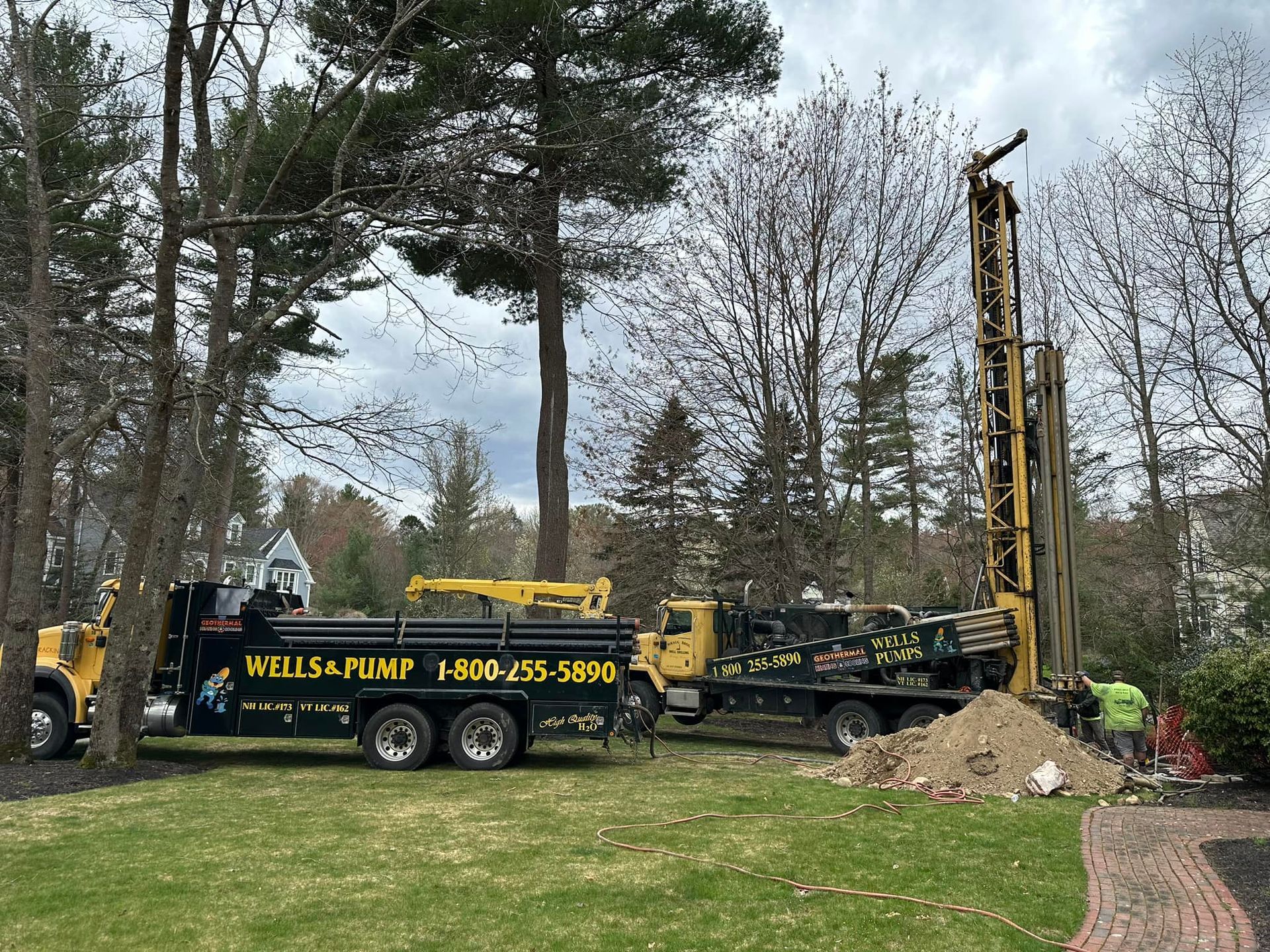
When drilling a well, the rig bores a hole through soil and into solid bedrock. This borehole must be slightly larger than the steel well casing inserted into it. The gap between the casing and the surrounding earth is called the annular space.
An unsealed annular space acts as a direct highway for runoff, melted snow, and shallow groundwater to drain into your well. To prevent this, drillers must seal this space by pumping specialized, high-density bentonite clay grout or cement slurry from the bottom up.
Bentonite clay is used because it expands significantly when exposed to water, forming a tight, flexible, and impermeable seal that prevents surface water from traveling down the casing exterior.
If your well was drilled before modern grouting standards, or if the original seal has cracked or degraded over time, a physical gap forms. During a storm, water channels down this gap, washing sediment directly into the borehole. In these scenarios, executing a professional well inspection is the necessary first step to determine if a failing grout seal is allowing surface water to bypass your system.
Shallow Bedrock Fractures and the Need for a Well Liner
Even with a functional grout seal, geology can allow sediment to bypass your defenses. Aquifers in New Hampshire and Vermont rely on "fracture-flow" dynamics, where groundwater is stored in and moves through narrow cracks and fissures in solid metamorphic and igneous bedrock.
The upper layers of bedrock—the transition zone where soil meets solid stone—are often weathered and fractured. This shallow bedrock is highly susceptible to surface water intrusion, which pushes muddy water into these shallow rock fractures during heavy rains.
To prevent this dirty, shallow water from entering, the steel casing must be driven deep enough into solid, unweathered bedrock to seal off these upper fractures, a process called "seating" the casing. If the casing is driven only a few feet into the rock to save on material costs, or if the bedrock is highly fractured, muddy surface water easily bypasses the casing shoe.
The most effective mechanical solution is installing a professional well liner—a heavy-duty, smaller-diameter PVC or thermoplastic sleeve lowered inside the steel casing. Equipped with specialized rubber packer seals at the bottom, the sleeve blocks shallow, dirty bedrock fractures, forcing the pump to draw exclusively from deeper, clean fractures. Choosing to retrofit and liner your well seals off these zones permanently without drilling a new well.
The Biological Hazards of Post-Storm Runoff and Dirt in Well Water After Heavy Rain
Brown sediment in your tap water after a storm is more than an aesthetic issue. Silt and clay particles are physically abrasive, wearing out faucet seals, clogging water heaters, and destroying pump impellers. However, the biological risks are far more severe.
Surface runoff carries animal waste, fertilizers, pesticides, and microorganisms. When this runoff bypasses natural soil barriers, it introduces bacteria, viruses, and parasites directly into your drinking supply.
Turbidity—the technical term for cloudy, sediment-heavy water—is highly correlated with bacterial contamination. Physical sediment particles shelter and nourish pathogens like total coliform and E. coli, shielding them from simple disinfectants.
If your tap water turns brown after a rainstorm, you must assume the water is biologically unsafe. Boiling kills bacteria but does not remove heavy mud or chemical runoff, and can concentrate other minerals through evaporation. Homeowners should stop using the water for drinking or cooking and immediately pursue comprehensive laboratory testing of their well water to identify hazards.
Engineering a Permanent Barrier: Remediation Options
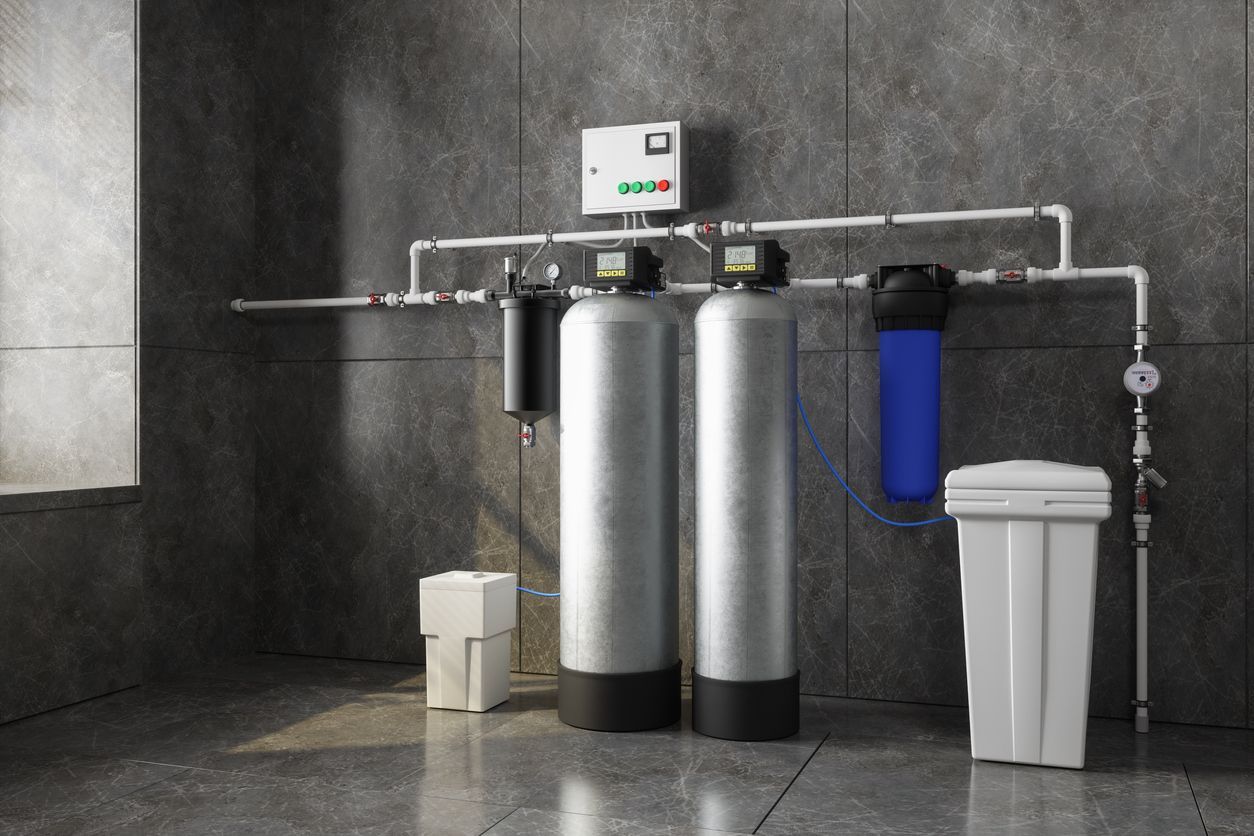
Resolving post-storm sediment issues requires professional diagnostics. Because every well is drilled into a unique geological fracture network, there is no single off-the-shelf solution. Homeowners should not attempt to solve a chronic sediment issue by installing a larger filter in the basement. A surface filter only captures mud after it enters your home; it does not stop surface water from bypassing your well's barriers, and heavy silt will quickly overwhelm the filter.
A professional technician will begin with a camera inspection. By lowering a waterproof, high-definition camera down the borehole, they can locate exactly where water enters—whether cascading from a cracked casing weld or pouring out of a shallow bedrock fracture below the casing shoe.
If the camera reveals that surface water is channeling down the outside of the casing due to a failing grout seal, the solution is to execute a deeper grout seal. This involves injecting a bentonite or cement grout slurry directly into the annular space under high pressure, sealing the pathway.
If water enters through shallow bedrock fractures, installing a well liner with a rubber packer seal is the gold standard of remediation. For seven decades, the Wragg family has navigated the geology of New England. This multi-generational experience shows that analyzing the borehole's physical structure is the only way to design reliable well water pump systems that protect your home and family over the long term.
Frequently Asked Questions
Why does my well water turn brown only after it rains?
Normally, groundwater is naturally filtered by soil. If your well's physical seals are compromised, heavy rain creates surface pooling that bypasses this filtration. The runoff finds a direct route down the borehole—either by channeling down a failing annular grout seal or entering shallow bedrock fractures. This carries silt and clay directly into your pump's intake, turning the water brown.
Is it safe to use water that has dirt in it?
No. While dirt may seem cosmetic, sediment indicates surface water intrusion. Surface runoff carries biological pathogens, including bacteria (like E. coli), viruses, and parasites from animal waste. Additionally, abrasive grit quickly damages plumbing fixtures, water heater elements, and your submersible pump motor.
What is a well liner, and how does it stop sediment?
A well liner is a heavy-duty PVC or thermoplastic sleeve lowered inside your existing steel well casing. Equipped with specialized rubber packer seals at the bottom, these packers expand against the borehole walls. The sleeve physically blocks off shallow, unstable bedrock fractures, forcing the pump to draw exclusively from deeper, clean rock fractures.
Can a standard water softener remove storm sediment?
No. A water softener is designed to remove dissolved minerals like calcium and magnesium. It cannot filter solid mud, silt, or sand. Introducing heavy sediment into a softener will quickly clog control valves, foul the resin beads, and destroy internal mechanisms, leading to expensive equipment failure.
How deep should a well casing be driven to prevent muddy water?
Casing depth depends entirely on local geology. To seal out surface water, the casing must be driven through loose topsoil and seated firmly into solid, unweathered bedrock. In New England, this typically requires a minimum of 20 to 40 feet of casing, though fractured or weathered rock can require driving the steel 100 feet or deeper to reach stable stone.
Conclusion
A clean, safe water supply is the foundation of a healthy home. Discovering dirt in well water after heavy rain is an active warning that your water system is vulnerable to surface contamination. Whether the root cause is a degraded annular grout seal, a shallow casing seat, or weathered bedrock fractures, ignoring the symptom invites severe plumbing damage and exposes your family to biological hazards. Homeowners experiencing post-storm turbidity must transition to safe alternative water and pursue professional diagnostics. By utilizing precise physical inspections and installing targeted barriers like well liners or deeper grout seals, property owners can permanently secure their wells against the unpredictable forces of New England weather.
For property owners seeking additional information or professional support related to this topic, Wragg Brothers Well Drilling provides well drilling, pump services, and water system diagnostics across New Hampshire, Vermont, and Massachusetts. Learn more at https://www.wraggbrothers.com/.