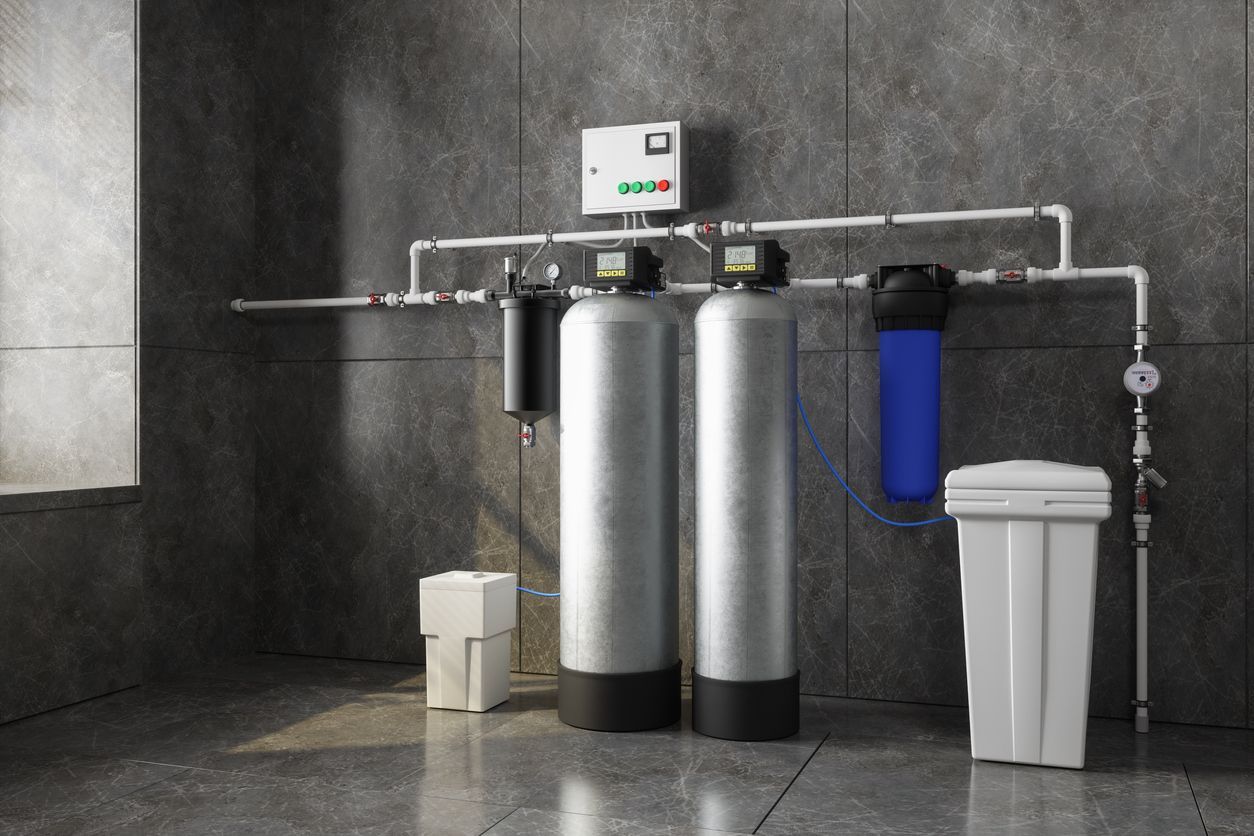
Why is My Well Pump Running Constantly? 4 Warning Signs You Need Immediate Repair
A private well operates on a simple, demand-driven principle: it pulls water from the earth only when the plumbing framework inside the house requires it. Under normal operating conditions, the heavy machinery remains completely quiet. If you notice your well pump running constantly, you are experiencing an active mechanical failure that requires intervention.
This guide is written for property owners across New Hampshire, Vermont, and Massachusetts who rely on private groundwater systems. Understanding why your water system refuses to shut down is the first step in diagnosing the problem. Addressing this specific malfunction immediately prevents catastrophic motor burnout, eliminates sudden spikes in monthly electrical bills, and preserves the lifespan of your subterranean infrastructure.
The Mechanics of a Normal Pump Cycle
To understand why a pump will not stop, you must first understand the sequence of a normal operating cycle. Most residential systems in northern New England rely on a high-powered submersible pump located hundreds of feet underground. This pump pushes water up a vertical drop pipe and into a heavy steel pressure tank situated inside the basement or utility room.
This pressure tank is the buffer between the raw power of the pump and the delicate fixtures in your bathroom and kitchen. The tank contains a compressed air bladder. As water fills the tank from the bottom, it pushes against the bladder, compressing the air further. A small, separate mechanical device known as a pressure switch constantly monitors this internal tension.
When the tank reaches a specific high-pressure limit—typically 60 pounds per square inch (PSI)—the pressure switch clicks open. This physical movement breaks the electrical circuit, immediately turning the pump off. When a homeowner opens a faucet, the compressed air pushes the stored water through the internal plumbing. Once the pressure drops to the low setting—typically 40 PSI—the switch clicks closed, sending 220 volts of electricity back down to the pump to refill the tank.
A well pump running constantly indicates that this communication cycle has broken. The motor is receiving continuous electricity, but the system is entirely failing to reach the designated shut-off pressure.
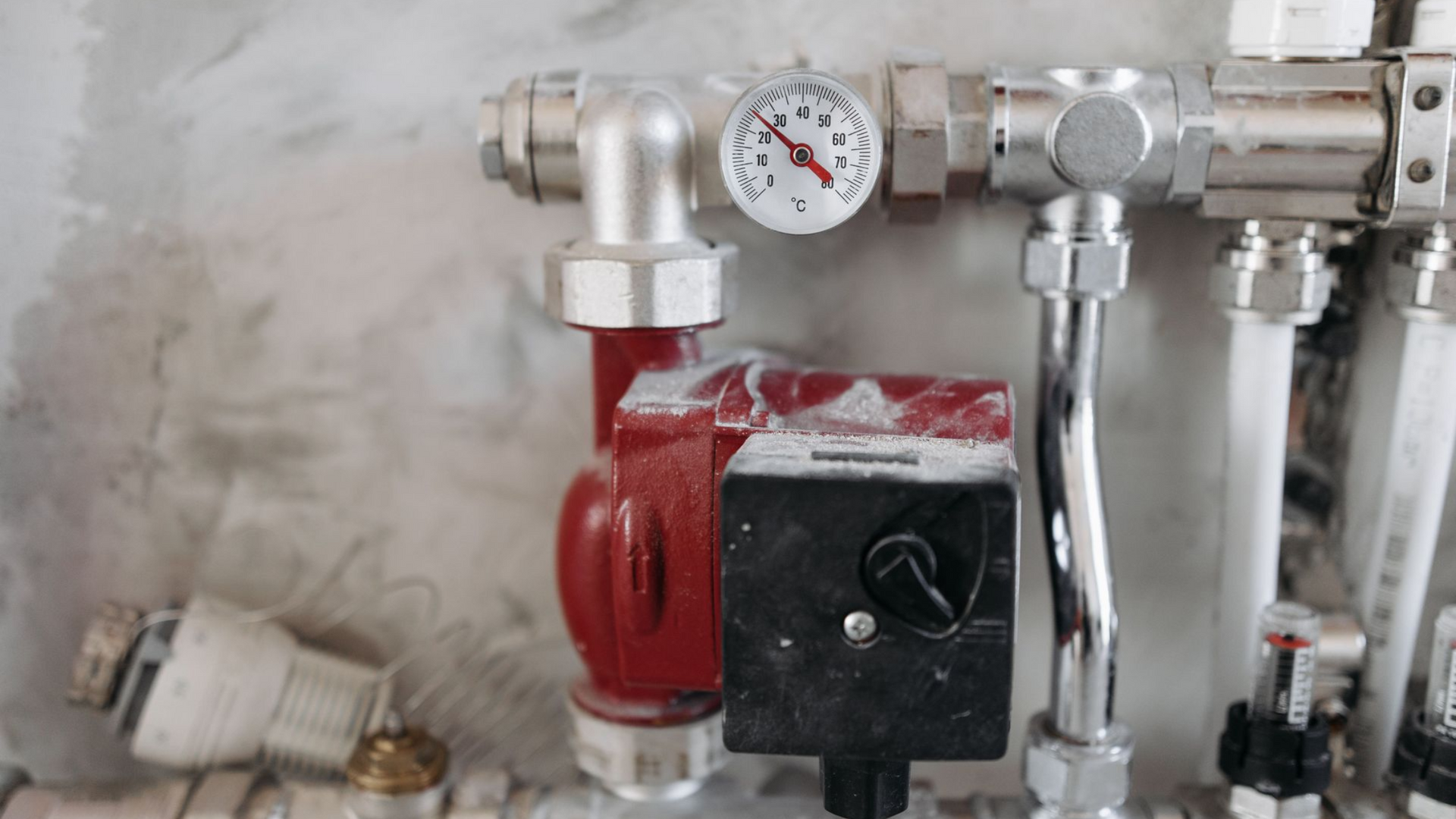
Warning Sign 1: A Water-Logged Pressure Tank
The pressure tank handles the physical stress of the water system, ensuring the pump does not have to turn on every time a glass of water is poured. Over years of use, the rubber bladder inside the steel tank can degrade, tear, or lose its structural integrity. When this occurs, the compressed air escapes entirely, and the heavy tank fills completely with solid water. This is known within the industry as a water-logged tank.
Because water cannot be compressed in the same way that air can, the entire system loses its buffer. The exact moment a faucet is opened, the pressure gauge drops to zero instantly, forcing the switch to send electricity to the pump. The exact moment the faucet closes, the pressure spikes violently, turning the pump off.
This rapid, violent on-and-off cycling places immense torque on the underground motor. Eventually, the pressure switch struggles to read the erratic, instant pressure changes, leading to a pump that engages and runs continuously. Understanding the mechanics of this specific component is essential for long-term maintenance. Property owners can review details on ‘how long does well pressure tank last’ to determine if their internal pressure tank is past its operational age and requires replacement.
Warning Sign 2: A Failing Pressure Switch
The pressure switch is the neurological center of the water system. It is a small, typically grey box housing mechanical springs and electrical contacts. Because this small component dictates the flow of high-voltage electricity necessary to start a heavy motor, the metal contacts can eventually become pitted, burned, or literally welded shut from electrical arcing.
If the metal contacts fuse together, the switch loses its ability to physically separate and break the electrical circuit. Even when the tank reaches its maximum 60 PSI limit, the electricity continues to flow. The pump will run indefinitely, forcing water into a system that is already completely full, placing severe stress on the underground plumbing and the tank itself.
Alternatively, the switch relies on a small, quarter-inch pipe nipple to sense the water pressure. In New England geology, groundwater is frequently laden with naturally occurring iron and manganese. Over time, these minerals oxidize and create thick, hard slimes that entirely clog the tiny pipe nipple. This blockage blinds the switch to the actual water pressure. It assumes the tank is empty and leaves the pump running constantly in a futile attempt to raise the pressure it can no longer measure.
Warning Sign 3: Underground Leaks in the Drop Pipe
Sometimes the electrical controls inside the basement are working perfectly, but the subterranean plumbing framework has suffered a catastrophic failure. The submersible motor hangs from a long section of pipe known as the drop pipe. This pipe must withstand the intense physical torque of the motor starting and stopping multiple times a day, as well as the corrosive effects of groundwater.
If a hole, crack, or rupture develops in the drop pipe below ground, the pump will activate and push water upward. However, the water will escape through the rupture and cascade safely back down the inside of the steel well casing. Because the water is leaking back into the earth rather than traveling into the house, the pressure tank never fills.
The pressure switch accurately senses that the tank remains at low pressure, so it never sends the signal to shut down. The pump runs continuously, moving water in an endless underground circle. Since 1956, the Wragg family has navigated the abrasive, crystalline bedrock of New England. Three generations of maintaining these systems have demonstrated that utilizing high-grade, structurally sound well water pumps and associated heavy-wall piping is the only reliable way to prevent these underground blowouts from occurring.
Warning Sign 4: The Well Yield is Dropping
The most destructive reason a pump runs without stopping is a complete lack of available water in the aquifer. Residential wells in New Hampshire and Vermont draw from fracture-flow aquifers. The water does not sit in a vast underground lake; it travels through narrow cracks, fissures, and joints within the solid granite, schist, and granodiorite.
During prolonged seasonal droughts, or as these natural fractures become clogged with dense mineral sediment over decades, the static water level inside the borehole can drop below the physical intake screen of the pump.
When this occurs, the pump spins wildly in empty air. It attempts to push water that is simply not there. Because no volume reaches the basement, the pressure switch never turns the pump off. Submersible motors are engineered to rely on the cold, surrounding groundwater to dissipate the extreme heat they generate. Running a pump dry causes catastrophic overheating. The internal plastic impellers melt, the bearings seize, and the motor eventually burns out entirely. Understanding the behavior of regional bedrock is a requirement for resolving this failure. Property owners dealing with sudden flow loss can investigate the causes of low water pressure to distinguish between a simple mechanical malfunction and a dry, failing aquifer.
Frequently Asked Questions
How do I turn off my well pump in an emergency?
The safest and most immediate way to stop a runaway well pump is to cut the electricity directly at your main electrical breaker panel. You do not need to touch the plumbing or the pressure switch. Look for a double-pole breaker (a switch that takes up two slots) labeled "Well," "Pump," or "Water."
Flip this breaker firmly to the "Off" position. This physically severs the electrical connection to the system. Shutting the breaker off immediately prevents the motor from overheating and burning out while you arrange for professional diagnostics and repair.
Will a constantly running pump increase my electric bill?
Yes, significantly. A submersible well pump draws a massive amount of electrical current to push water hundreds of feet vertically against gravity. It operates on a dedicated 220-volt circuit.
If the system fails and runs continuously for days or weeks without stopping, it will consume a vast amount of power. Property owners often discover a runaway pump only after receiving a monthly electrical bill that is hundreds of dollars higher than their historical average.
Can a well pump running constantly cause a fire?
While modern electrical panels are designed to trip the breaker if a motor pulls dangerous levels of amperage, a pump running continuously in a dry well will generate extreme heat.
Because the motor is located safely hundreds of feet underground, a surface fire inside the home is highly unlikely. However, the extreme heat will melt the waterproof splicing on the electrical wires down the well and completely destroy the internal mechanics of the motor, guaranteeing an expensive, heavy-machinery extraction to replace the ruined equipment.
How long does a submersible well pump last?
A high-quality submersible pump installed in clean, chemically neutral water typically operates reliably for 12 to 15 years. This assumes a standard, normal cycle of starting and stopping.
This lifespan is drastically reduced if the pump is forced to run continuously due to a broken pressure switch, a ruptured underground pipe, or an empty aquifer. Heavy sediment or highly acidic groundwater can also wear down the internal components prematurely, reducing the operational life of the machinery.
Does a running pump always mean the well is completely dry?
No. A dry, failing well is only one possible cause. In many instances, the underground aquifer still holds plenty of clean water, but a mechanical or electrical failure is preventing the system from shutting down properly.
A fused electrical contact in the basement, a clogged pressure sensor, or a hole in the drop pipe will all cause the exact same symptom. Diagnostics must always begin above ground, checking the electrical controls and the pressure tank, before assuming the geological water source has failed.
Conclusion
A residential water system is designed to provide seamless, invisible utility, operating quietly in the background of daily life. When you hear a well pump running constantly, the machinery is actively signaling a critical failure in the chain of command. Whether the underlying cause is a fused pressure switch, a ruptured drop pipe leaking into the casing, or an aquifer dropping below the intake screen, ignoring the symptom guarantees the total destruction of the pump motor. The first and most necessary action is to locate your breaker panel and turn the power off immediately. Halting the electrical current protects the motor from permanent heat damage, preserves the remaining infrastructure, and secures the necessary time to accurately diagnose the root cause.
For property owners seeking additional information or professional support related to this topic, Wragg Brothers Well Drilling provides well drilling, pump systems, and water conditioning services across Vermont, New Hampshire, and Massachusetts. Learn more at https://www.wraggbrothers.com/.