Building in Keene, NH: Navigating Granodiorite Bedrock and Arsenic Risks
Anyone breaking ground on a new home in Cheshire County quickly learns that the local landscape dictates the parameters of the project. For property owners and builders planning a new construction, securing a reliable, clean water supply is the foundational step that makes a property habitable. When executing well drilling in Keene NH, understanding the specific local geology is critical for maintaining your construction timeline, budgeting correctly, and protecting your family’s long-term health.
The bedrock beneath this region presents two distinct subsurface challenges: the extreme physical density of the Bethlehem Granodiorite and the high statistical probability of naturally occurring arsenic in the groundwater. By understanding these geological realities before the heavy machinery arrives on site, property owners can accurately plan their infrastructure, avoid frustrating delays, and ensure the water flowing from the tap is consistently safe.
The Mechanical Reality of Bethlehem Granodiorite
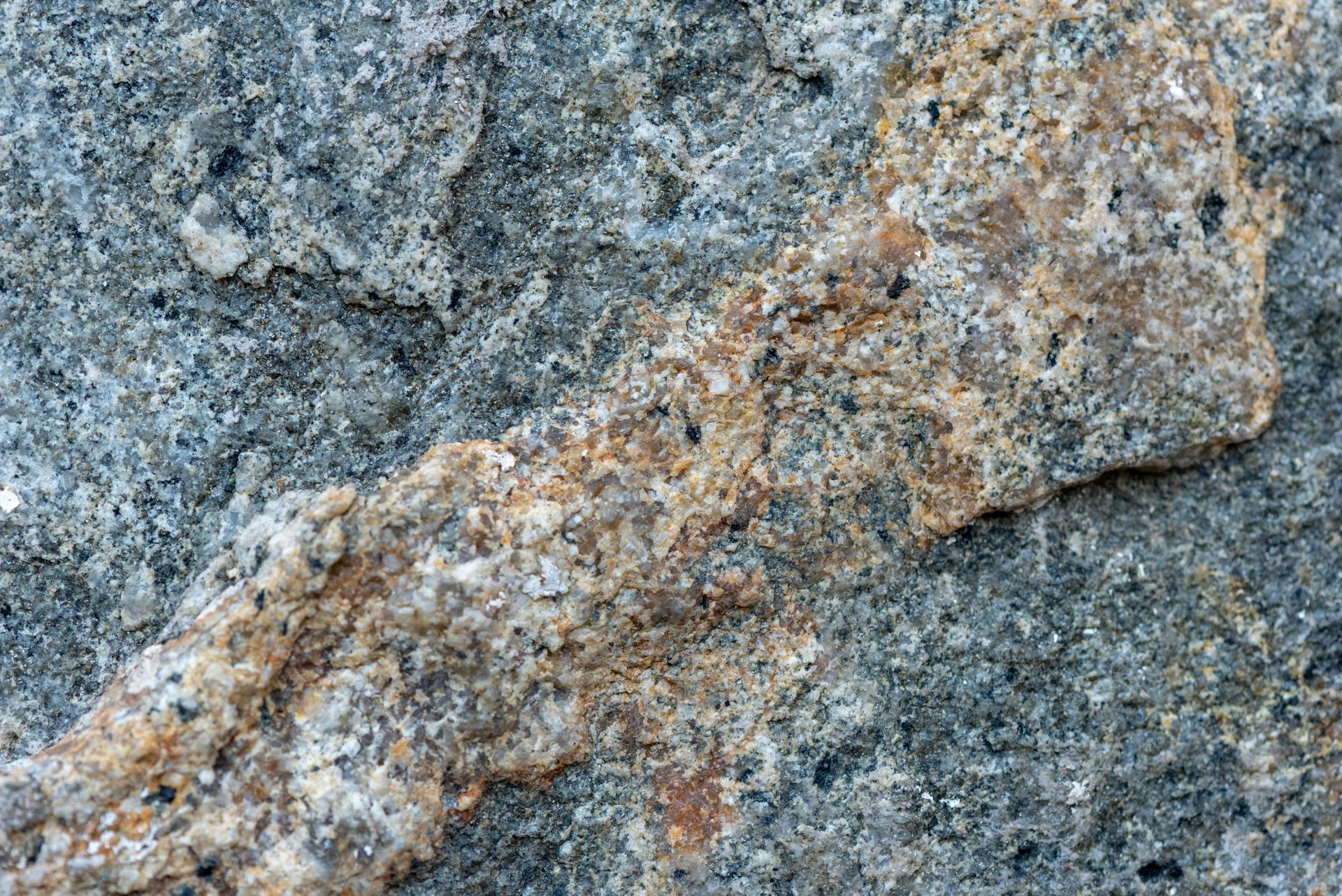
The geological foundation of Keene and the surrounding towns is dominated by a specific rock formation known as the Bethlehem Granodiorite. This is an incredibly hard, abrasive, and competent orthogneiss rock. Unlike the Midwest, where water is drawn from soft, porous layers of sand and gravel, New Hampshire relies entirely on a dense crystalline basement for its groundwater.
When a drilling rig penetrates this stone, the process is inherently slow and requires specialized equipment. High-pressure pneumatic air hammers are necessary to crush the rock inch by inch. Because of the abrasive nature of granodiorite, it causes rapid wear on drilling tools and steel bits.
For builders, this means the physical act of well drilling requires patience. The stone is structurally stable, which is excellent for maintaining an open borehole without the constant threat of cave-ins, but the sheer density of the rock dictates the pace of the project. Acknowledging this geological reality early prevents unnecessary frustration regarding construction timelines. For seven decades, the Wragg family has navigated this exact geology, understanding that steady, methodical drilling is the only way to successfully penetrate this abrasive formation.
Fracture-Flow Aquifers and Water Yield
The physical hardness of the bedrock directly influences how water is stored and accessed underground. Granodiorite possesses almost zero primary porosity. It does not act like a sponge holding water. Instead, groundwater moves exclusively through a "fracture-flow" system. The water travels along a scattered, irregular network of cracks, faults, and joints created by ancient tectonic forces.
To secure a usable water yield for a modern household, a drilled well must successfully intersect these specific, water-bearing fractures. In the Bethlehem Granodiorite, these fractures can be widely spaced. It is entirely possible to drill a deep hole that misses a major fracture network by a matter of inches, resulting in a low-yielding well that produces less than a gallon a minute.
When this occurs, drilling deeper is rarely the most effective solution. Instead, the standard industry practice is to mechanically widen the existing microscopic cracks in the rock. Utilizing hydrofracking techniques, professionals inject strictly potable, drinkable water into the borehole under extreme pressure. This safe, chemical-free process forces the natural rock veins to open further, connecting the well to a larger, more productive water source without the need to drill a second hole. With three generations of hands-on experience, Wragg Brothers has utilized this method to confidently secure water even in the most difficult New England stone.
The Chemical Threat: Arsenic in the Groundwater
Finding a sufficient volume of water is only the first half of the equation; the water must also be chemically safe to consume. New Hampshire is geologically prone to natural contamination. As groundwater travels slowly through the deep bedrock fractures, it acts as a universal solvent, absorbing the minerals present in the stone walls over centuries.
In the Keene area, the bedrock frequently contains arsenopyrite. Over time, this mineral weathers and releases arsenic directly into the groundwater. Arsenic is a highly toxic, naturally occurring carcinogen. It is completely invisible, tasteless, and odorless. A glass of water heavily laden with arsenic looks exactly like a glass of pure spring water.
Furthermore, arsenic in groundwater exists in two distinct chemical states: Arsenate (Arsenic-V) and Arsenite (Arsenic-III). This scientific distinction, known as speciation, is critical for water safety. Arsenic-V carries a negative electrical charge, making it relatively simple to capture with standard filtration media. Arsenic-III carries no electrical charge. Because it is chemically neutral, it passes right through standard over-the-counter filters. Effective removal requires complex pre-oxidation equipment to convert the Arsenic-III into Arsenic-V before it can be filtered out safely.

Designing a Complete Water System for a New Build
Because of the high statistical probability of encountering arsenic and other geogenic contaminants in Cheshire County, builders and homeowners must budget for water treatment infrastructure from the outset. Assuming that a newly drilled well will immediately provide perfect, potable water is a significant oversight that can lead to unexpected expenses right before moving in.
Before finalizing the internal plumbing framework of a new home, comprehensive laboratory analysis is mandatory. Accurate well water testing ensuring safe drinking water determines the total concentration of arsenic, identifies the exact speciation (As-III versus As-V), and checks for competing minerals like iron and manganese that can coat filter media and interfere with the filtration process.
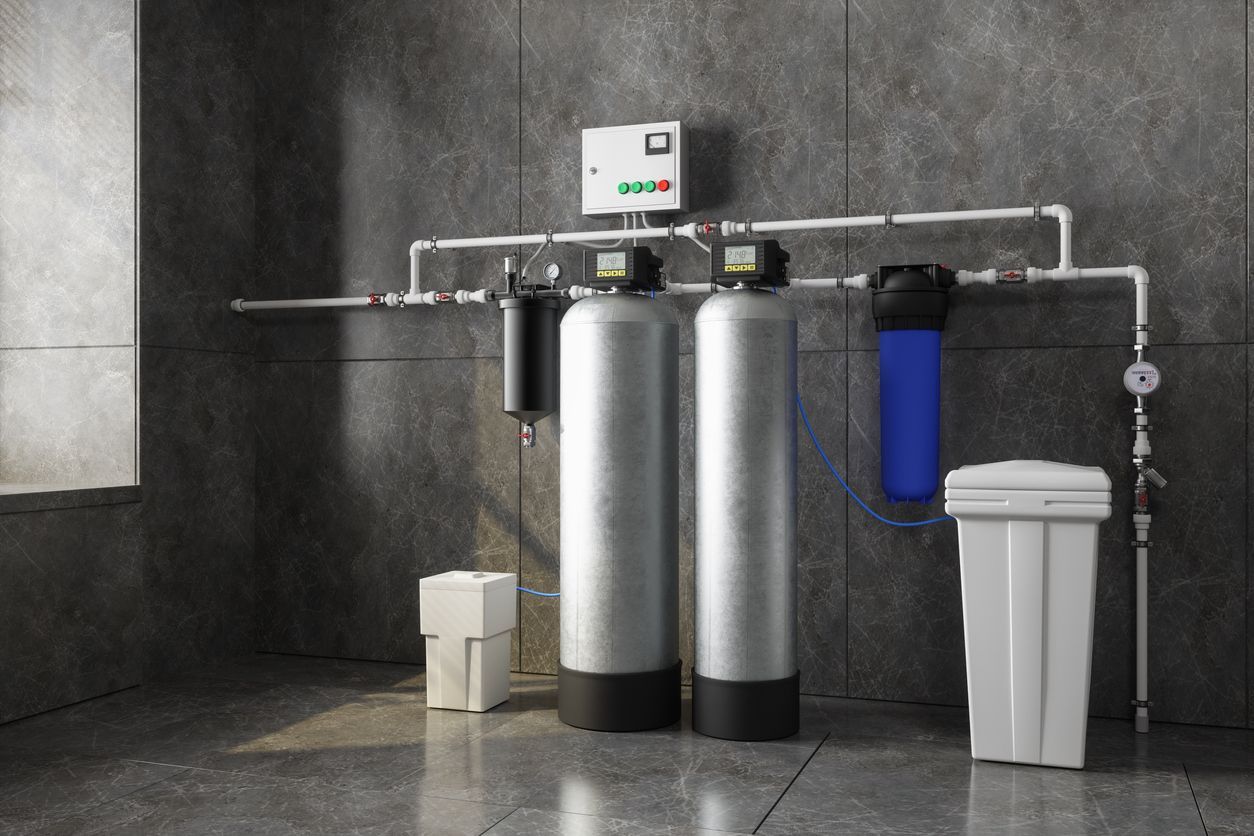
Once this precise chemical profile is established, a dedicated oxidation and adsorption system can be engineered. Generic, off-the-shelf solutions rarely succeed against the complex mineral loads of New England bedrock. By approaching the water supply as a completely integrated system—from the pump set deep in the granodiorite to the engineered filtration tanks in the basement—property owners guarantee that the home will provide safe, reliable water for decades.
Frequently Asked Questions
Does hard bedrock mean I have to drill deeper?
Not necessarily. The depth of a well in crystalline bedrock depends entirely on where the drill intersects a water-bearing fracture, not the hardness of the rock itself. A driller might hit a high-yielding fracture at 150 feet, or they may need to drill down to 500 feet to find sufficient connectivity.
The hardness of the Bethlehem Granodiorite affects the speed of the drilling process, causing it to progress more slowly than it would in softer rock. However, it does not dictate the final depth required to find water.
Can I test for arsenic before I buy a lot in Keene?
No, it is not possible to accurately test the specific groundwater chemistry of a vacant parcel of land before drilling a well. Because New Hampshire relies on fracture-flow aquifers, the water travels through isolated, distinct cracks in the solid rock.
You cannot test the surface soil to predict groundwater chemistry hundreds of feet below. Furthermore, you cannot rely on a neighboring property's water test results. A well on a neighboring lot might intersect a clean fracture, while a new well drilled fifty feet away might tap into a vein of arsenic-rich rock. The only way to know the water quality is to drill the borehole and send a water sample to a certified laboratory.
What is the difference between Arsenic III and Arsenic V?
Arsenic exists in groundwater in different chemical states, primarily Arsenite (Arsenic-III) and Arsenate (Arsenic-V). The fundamental difference between them is their electrical charge, which dictates how easily they can be removed from your drinking water.
Arsenic-V is oxidized and carries a negative electrical charge. This allows standard adsorption filtration media to act like a magnet, pulling the arsenic out of the water effectively. Arsenic-III is reduced and carries no electrical charge at all. Because it is neutral, it passes completely through standard filters. To remove Arsenic-III, a water treatment system must first inject an oxidant to chemically convert it into Arsenic-V before filtering it out.
If my new well has low water pressure, do I need to drill a second one?
It is very rare to abandon a newly drilled residential well simply because the initial water yield is low. Drilling a completely new borehole is a significant expense and offers no guarantee that the second hole will intersect better fractures than the first.
Instead, the industry standard is to rehabilitate the existing well using hydrofracturing. By injecting potable water under extreme pressure, technicians can physically force the microscopic, localized cracks in the rock to open wider. This propagates the fractures outward until they connect with a larger, more productive water vein, permanently increasing the flow rate of the original well.
Are there other water quality risks in New Hampshire granite besides arsenic?
Yes. The felsic igneous rocks of New Hampshire, including granites and pegmatites, are naturally rich in uranium. As the uranium in the bedrock slowly decays over time, it produces radon gas. Under the immense pressure of the aquifer, this radon gas dissolves directly into the groundwater.
When this water is pumped into a home and released from a tap, showerhead, or washing machine, the radon gas is aerated and released into the indoor air. This creates a significant inhalation hazard and increases the risk of lung cancer. Just like arsenic, radon is invisible and odorless, meaning laboratory testing is the only way to detect its presence.
Conclusion
Constructing a new home is a massive financial and personal investment, and the geological realities beneath the soil form the true foundation of that project. The dense Bethlehem Granodiorite of the Keene region requires precise, methodical drilling to penetrate, while the high likelihood of naturally occurring arsenic demands rigorous scientific testing and engineered filtration. By proactively preparing for these specific regional challenges, property owners eliminate uncertainty and ensure their new home is supplied with a water system that is mechanically reliable and chemically safe.
For property owners seeking additional information or professional support related to this topic, Wragg Brothers Well Drilling provides well drilling, pump systems, and water treatment services in New Hampshire. Learn more at https://www.wraggbrothers.com/.