Hard Water in Vermont: Why the Waits River Formation is Ruining Your Appliances and How a Well Water Softener, Vermont, Solves the Problem
Water quality in New England is entirely dictated by the stone beneath the soil. For property owners relying on a private well, drawing groundwater means accepting the dissolved mineral content of the local bedrock. Across specific regions of Vermont, extreme hard water is a widespread mechanical and aesthetic problem. It leaves a stubborn, white residue on plumbing fixtures, destroys expensive appliances, and causes severe dry skin.
Understanding why this mineral loading happens requires looking at the specific geology your well intersects—most notably, the Waits River Formation. Addressing the problem effectively requires a mechanical intervention rather than a chemical additive. Installing an appropriately engineered well water softener, Vermont property owners can establish a permanent barrier that protects their household infrastructure and vastly improves their daily water usage.
The Geological Source: Understanding the Waits River Formation
Beneath the surface of Windsor and Windham counties, the geology transitions into a specific zone known as the Connecticut Valley Trough. This geological region contains the Waits River Formation. Unlike the solid, abrasive granites found further east in New Hampshire, this formation consists primarily of interbedded impure marbles, metalimestone, and phyllite schists.
These specific rock types are highly calcareous. They contain massive, concentrated quantities of calcium carbonate and magnesium. Groundwater in New England moves exclusively through "fracture flow." It travels slowly through a network of narrow, interconnected cracks in the solid rock over decades or centuries. As the water navigates these deep underground fissures, it acts as a universal solvent. It continuously dissolves and absorbs the calcium and magnesium present in the limestone and marble walls of the fractures.
This geologic reality means that hard water is not a temporary anomaly in this region; it is the permanent, natural state of the aquifer. The calcareous rock acts as a beneficial natural buffer against acidic water, keeping the pH neutral, but it heavily loads the water with dissolved minerals long before the well pump ever pushes it to the surface.
How Calcareous Rock Destroys Water Heaters and Plumbing?
The most expensive consequence of drawing water from the Waits River Formation is the rapid, irreversible degradation of household appliances. The damage is caused by a physical process known as scaling.
When groundwater containing high levels of dissolved calcium and magnesium is pumped into a home, it remains in a liquid solution until it experiences a rapid temperature change. When hard water is heated inside an electric boiler, a hot water tank, or a dishwasher, a chemical reaction forces the dissolved minerals to precipitate out of the water. The calcium carbonate solidifies instantly, baking onto the nearest hot surface as a dense, white rock crust.
Inside a standard electric water heater, this scale quickly coats the heating elements. The element must then heat the thick layer of solid rock before it can heat the surrounding water. This drastic loss of thermal transfer forces the appliance to run longer and hotter, driving up monthly utility costs. Eventually, the trapped heat causes the element to warp and burn out entirely, resulting in premature appliance failure. Scaling also systematically narrows the interior diameter of copper plumbing pipes, reducing water pressure, and fouls the delicate intake valves on washing machines.
The Physical Impact of Hard Water on Daily Use
Beyond the mechanical utility room, the effects of the Waits River Formation are visible in nearly every daily routine. Hard water actively interferes with the chemical action of commercial soaps and laundry detergents.
The dissolved calcium physically binds with the active ingredients in bar soap and shampoo, preventing them from creating a lather. Instead of washing away cleanly with the water, this mixture forms a sticky, insoluble soap scum. This residue clings aggressively to shower walls, glass doors, and bathtubs, requiring harsh chemical cleaners and heavy scrubbing to remove.
This exact same residue binds to human skin and hair during a shower. The microscopic film of calcium carbonate blocks pores, traps natural body oils, and prevents external moisture from absorbing. This chemical reaction is the primary cause of chronic dry skin, scalp irritation, and dull, brittle hair for residents living on hard water wells. In the laundry room, clothes washed in hard water retain microscopic mineral deposits. Fabrics become stiff, lose their color vibrancy quickly, and wear out faster due to the abrasive nature of the trapped calcium particles grinding against the fabric fibers.
The Mechanics of a Well Water Softener, Vermont Systems
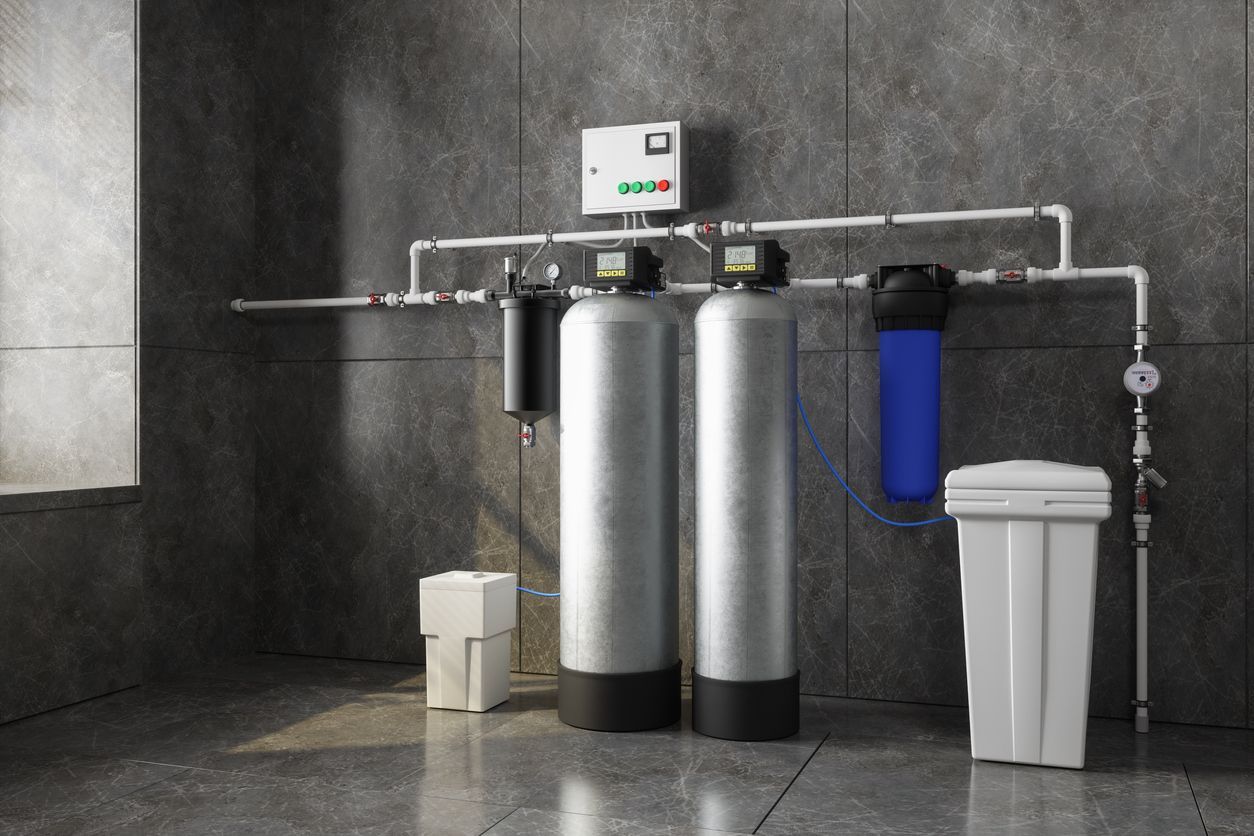
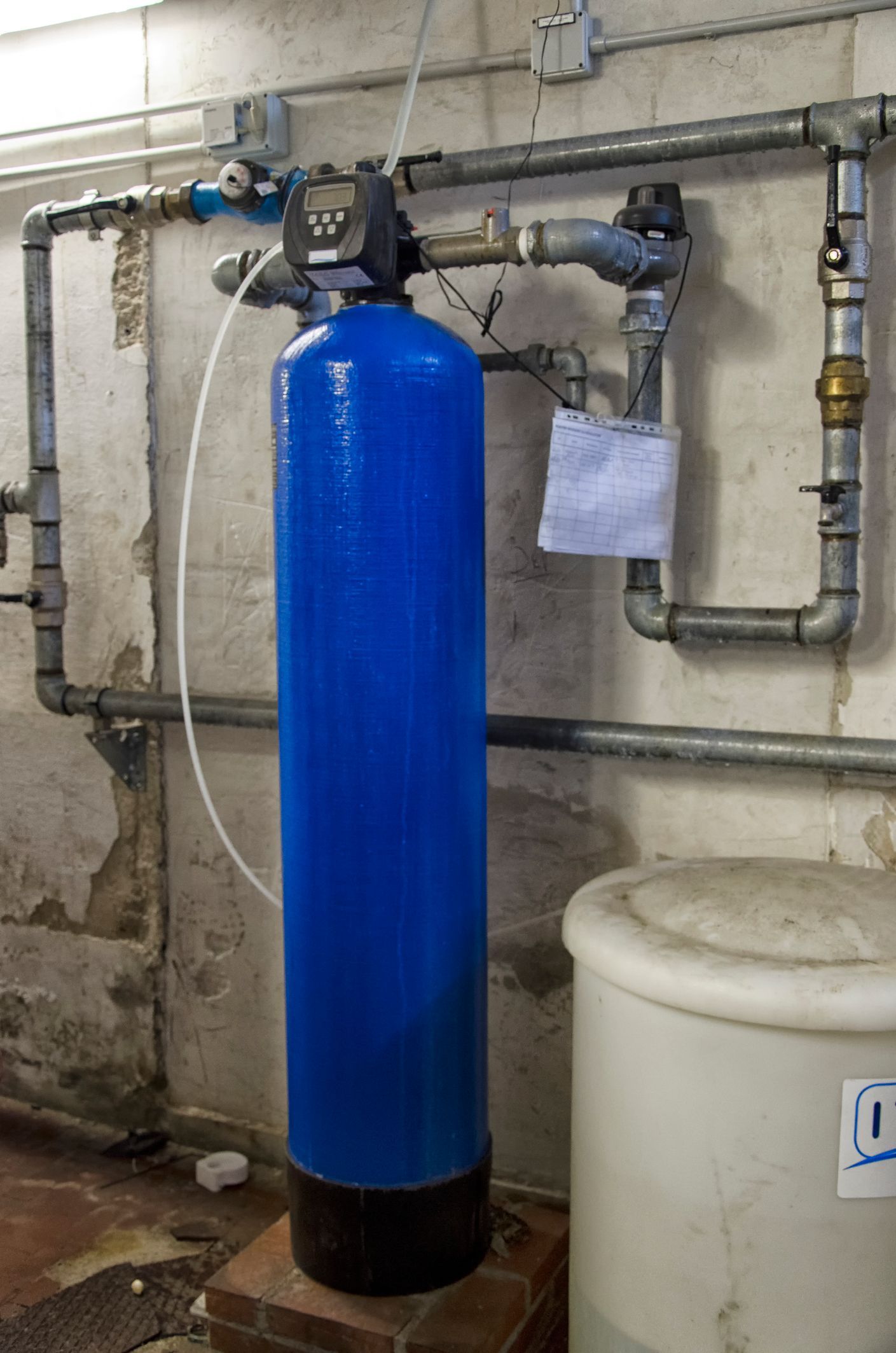
A standard refrigerator filter or a basic spun-cartridge sediment filter cannot remove dissolved calcium or magnesium. Because the minerals are completely integrated into the water at a molecular level, they pass right through standard physical meshes. To remove them and protect the home’s infrastructure, a property owner must install a cation-exchange system. This is the core technology behind a functional well water softener, Vermont homes rely on.
A dedicated water softening system consists of a tall fiberglass mineral tank filled with thousands of microscopic, negatively charged resin beads. The dissolved calcium and magnesium ions inherently carry a positive electrical charge. When the hard water from the private well flows down through the tank, the positive mineral ions are magnetically attracted to the negative resin beads. The beads grab the calcium and hold onto it, releasing a harmless, highly soluble sodium ion into the water in its place.
The water that exits the tank and flows into the home's plumbing is completely soft. It cannot form scale inside the water heater, and it allows soap to lather perfectly. Once the resin beads are fully coated with captured calcium, the system automatically flushes itself with a saltwater brine from an adjacent tank, washing the heavy minerals down the drain and resetting the beads for the next cycle. Implementing this technology is a foundational aspect of professional water-conditioning.
Why Water Testing is the Required First Step
Because New England relies on highly variable, fracture-flow aquifers, guessing at a water treatment solution is a significant financial risk. The concentration of dissolved minerals can vary drastically between two properties located on the exact same street, depending entirely on which specific rock fissures their respective wells intersect.
Before purchasing any filtration equipment, property owners must conduct a comprehensive chemical analysis. Proper well-water-testing reveals the exact grains per gallon (GPG) of hardness present in the water supply. This precise mathematical measurement dictates the physical size of the resin tank required and the frequency of the automated regeneration cycle. An undersized unit will fail to soften the water during peak household usage, while an oversized unit wastes excessive water and salt.
Furthermore, laboratory testing identifies competing geogenic contaminants. While the Waits River Formation is famous for calcium, it can also host unpredictable veins of iron and manganese. High levels of oxidized iron will quickly coat the resin beads inside a softener, ruining the expensive internal media. If heavy metals are present, a dedicated oxidation and filtration system must be installed before the softener to protect it. In severe cases where an aging well is structurally failing or producing heavy sediment that continually overwhelms surface filtration, consulting a water-well-drilling professional to inspect the steel casing or deepen the borehole may be required before installing new treatment hardware.
Frequently Asked Questions
What makes water "hard" in a private well?
Water is classified as "hard" when it contains high concentrations of dissolved calcium and magnesium. As groundwater naturally moves through subterranean rock formations—like the marble and limestone found in Vermont's Waits River Formation—it dissolves these minerals and carries them into the well. The higher the concentration of these dissolved minerals, the "harder" the water is rated.
Will a water softener fix my dry skin and hair?
es. Hard water prevents soap from dissolving completely, creating a sticky scum that remains on your skin and scalp after rinsing. This mineral film strips natural oils, clogs pores, and prevents moisture retention, leading directly to dryness and irritation. By removing the calcium and magnesium before the water reaches your shower head, a softener allows soap to rinse away cleanly, immediately improving skin and hair hydration.
Does a water softener remove iron and manganese?
A standard cation-exchange water softener is engineered specifically to remove calcium and magnesium. While it can technically remove very small amounts of clear-water (ferrous) iron, exposing a softener to high levels of iron or manganese will quickly permanently foul the resin beads and destroy the system. If your well has elevated iron or manganese, a dedicated oxidation filter must be installed ahead of the softener to handle those specific metals.
Why do my neighbors have soft water when my well produces hard water?
Aquifers in New England do not exist as vast, uniform underground lakes. They are "fracture flow" systems, meaning the water travels through isolated, distinct cracks in the solid bedrock. Your well may intersect a fracture that runs directly through a heavy vein of calcium-rich limestone, while your neighbor’s well, drilled just fifty feet away, may tap into a completely different fracture network surrounded by inert rock.
Is it safe to drink softened well water?
Yes, softened water is safe to drink for the vast majority of people. The ion-exchange process does replace calcium ions with sodium ions, meaning softened water contains slightly more sodium than raw well water. However, the amount of sodium added is generally very small—comparable to the sodium found in a slice of white bread. Individuals on strict, medically mandated low-sodium diets should consult a physician or install a point-of-use reverse osmosis filter at the kitchen sink to remove the trace sodium.
Conclusion
Living on a private well in New England requires an active understanding of the local geology. For homes situated over the Waits River Formation, extreme water hardness is a geographic certainty, not a plumbing defect. Allowing heavy concentrations of calcium and magnesium to flow unrestricted through a home guarantees the premature failure of water heaters, the degradation of copper piping, and daily frustrations with dry skin and ruined laundry. By scientifically testing the water chemistry and installing a properly sized well water softener, Vermont property owners can permanently neutralize the destructive aspects of their local bedrock, ensuring their water infrastructure remains efficient and their water quality remains pristine for decades.
For property owners seeking additional information or professional support related to this topic, Wragg Brothers Well Drilling provides well drilling, pump repair, and water conditioning systems across Vermont, New Hampshire, and Massachusetts. Learn more at https://www.wraggbrothers.com/.