The Silent Threat: Managing Arsenic and Uranium in NH and VT Bedrock
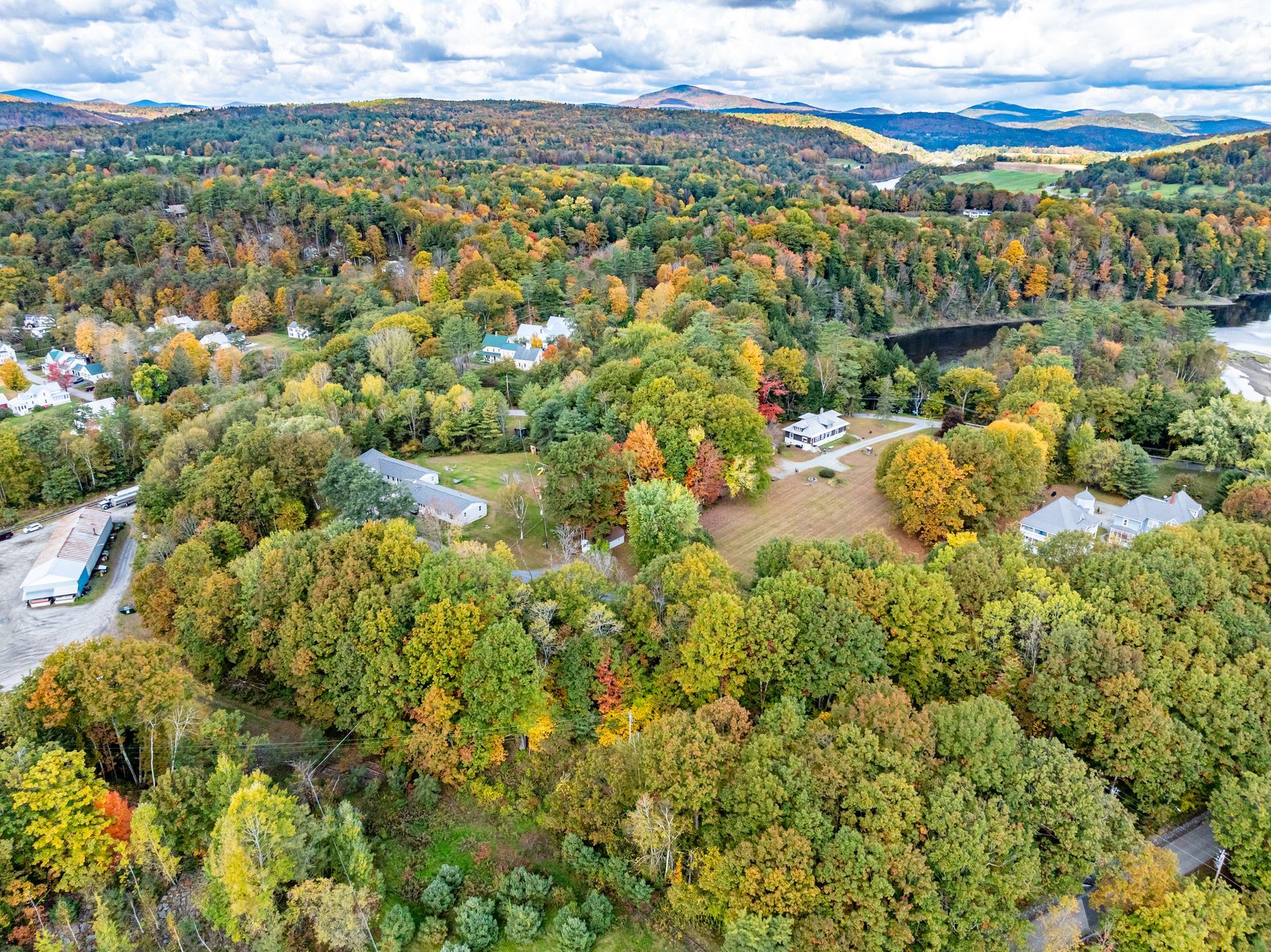
New England is defined by its stone. The granite peaks of New Hampshire and the slate and schist ridges of Vermont are more than just scenery; they are the geological backbone of the region. For homeowners, this bedrock provides a sense of permanence and, usually, a reliable source of fresh groundwater. However, the same geology that makes our landscape ruggedly beautiful also harbors invisible, naturally occurring hazards that every well owner must understand.
In the "Granite State" and across the Connecticut River Valley, the bedrock is rich in minerals that, over millennia, weather and dissolve into the groundwater moving through deep fractures. While most of these minerals, like calcium and magnesium, are harmless, others present significant health risks. Arsenic and uranium are the two most prevalent "silent threats" in our region’s aquifers. They are colorless, tasteless, and odorless, meaning a glass of water that looks pristine could carry levels of toxicity well above federal safety standards.
For families relying on private wells, the assumption that "natural" equals "pure" can be dangerous. Unlike municipal water systems, which are tested daily and treated centrally, a private well is the sole responsibility of the property owner. Understanding the specific geological risks of New Hampshire and Vermont is the first step toward ensuring that the water flowing from your tap is as safe as it is clear.
The Geological Source: Why Here?
It is a common misconception that arsenic and uranium contamination comes primarily from industrial pollution or agricultural runoff. While those sources exist, the vast majority of contamination in northern New England is geogenic—meaning it comes directly from the earth itself.
New Hampshire’s geology is dominated by felsic igneous rocks, specifically granites and pegmatites. These rocks naturally contain uranium. As groundwater moves through the cracks and fissures of the bedrock—a system known as "fracture flow"—it interacts with the rock surface. If the water chemistry is right (often involving specific pH levels or oxygen content), uranium can leach from the rock into the water supply.
Similarly, arsenic is often derived from the weathering of arsenopyrite, a mineral found in the metasedimentary rocks and schists common in both New Hampshire and Vermont. This is not a new phenomenon; these minerals have been present since the mountains were formed. However as we drill deeper into bedrock to secure reliable water yields, we often tap into older, slower-moving groundwater that has had more time to absorb these elements from the surrounding stone.
Understanding Arsenic: The Complexity of "Speciation"
Arsenic is perhaps the most misunderstood contaminant in residential water systems. Many homeowners assume that if they have a filter, they are protected. Unfortunately, arsenic is not a single, simple target. It changes its "personality" based on the chemical environment of the water, a concept known as chemical speciation.
In groundwater, arsenic primarily exists in two forms: Arsenic-V (Arsenate) and Arsenic-III (Arsenite).
Arsenic-V is chemically oxidized. It carries a negative electrical charge, which makes it relatively easy for standard treatment media to "grab" and remove from the water. It behaves predictably and is the form most standard filtration systems are designed to handle.
Arsenic-III, on the other hand, is the more difficult variety. It is chemically reduced, meaning it carries no electrical charge. Because it is neutral, it passes right through many standard adsorption filters, much like a non-magnetic object passing through a magnetic field. In many deep bedrock wells in our region, Arsenic-III is the dominant species.
This distinction is critical. A homeowner might install a generic "arsenic filter" bought online, only to find months later that their water still tests high for arsenic. This is often because the system is removing the Arsenic-V but letting the Arsenic-III pass through untouched. Effective management often requires a two-step process: first, oxidizing the water to convert Arsenic-III into Arsenic-V, and second, filtering it out. This technical nuance is why a "one-size-fits-all" approach rarely works for New England water.
Uranium and the Radon Connection
Uranium in well water presents a dual risk. As a heavy metal, it poses a toxicity risk to the kidneys when ingested over long periods. However, uranium is also the parent element in a radioactive decay chain that produces Radon gas.
While many people are familiar with radon as an air quality issue in basements, fewer realize it is also a water quality issue. Radon gas dissolves into groundwater under pressure. When that water is pumped into your home and released from a faucet—such as in a shower, dishwasher, or washing machine—the gas is aerated and released into the air you breathe.
This creates an inhalation risk. In fact, the primary health concern with radon in water is not drinking it, but breathing it. For every 10,000 picocuries per liter (pCi/L) of radon in your water, it contributes roughly 1 pCi/L to your indoor air level. In tightly sealed modern homes, this can significantly contribute to lung cancer risks.
Because New Hampshire’s granite is naturally high in uranium, it is statistically one of the hotspots for radon in the country. Managing this requires different technology than arsenic. While arsenic is removed via filtration or adsorption, radon is a gas and is best removed by aeration—literally shaking the gas out of the water and venting it safely outside before the water ever reaches your tap.
The Failure of Standard Filtration
A frequent source of frustration for property owners is the failure of over-the-counter or "big box store" water filters to address these specific geological threats. Standard pitcher filters or refrigerator cartridges are typically designed to improve taste and smell by removing chlorine or simple sediment. They are rarely rated to remove heavy metals like uranium or metalloids like arsenic to safe standards.
Even whole-house softeners, which are excellent for removing calcium and magnesium (hardness) and some forms of iron, are not a reliable barrier against arsenic. In some cases, softening the water can actually make arsenic molecules harder to remove downstream by altering the water's ionic balance.
To effectively remove these contaminants, the treatment system must be matched to the specific chemistry of the well. This is why well water testing is the non-negotiable first step. You cannot treat what you haven't measured. A comprehensive water test does not just look for "arsenic"; it looks at pH, iron, manganese, and hardness, all of which influence which treatment technology will work.
For example, if a well has high iron and high arsenic, an iron filter might accidentally remove some arsenic, but not enough to be safe. Conversely, high levels of silica—common in our glassy bedrock—can coat the media inside an arsenic tank, rendering it useless in weeks. Professional mitigation involves engineering a system where these components work in harmony, rather than interfering with one another.
The "Fracture Flow" Factor
One of the most confusing aspects of groundwater in Vermont and New Hampshire is the inconsistency between neighbors. It is entirely possible for one home to have zero arsenic and the home next door, drilled to the same depth, to have levels ten times the legal limit.
This is due to the nature of "fracture flow" aquifers. In sedimentary geology (like the sandstone aquifers of the Midwest), water moves through the rock like water through a sponge. Contamination plumes tend to be wide and predictable. In our crystalline bedrock, water moves only through specific cracks and veins.
Your well might tap into a fracture fed by a surface wetland, while your neighbor’s well taps into a deep fracture running through a vein of arsenic-rich pegmatite. These two water sources, though only feet apart on the surface, may have traveled completely different paths underground for hundreds of years. This means you cannot rely on your neighbor’s water test results to predict your own safety. Every borehole is a unique geological fingerprint.
Establishing a Barrier of Protection
Recognizing these risks is not a reason for panic; it is a reason for stewardship. Arsenic and uranium are manageable issues. Modern water treatment technology has evolved to handle the complex chemistry of New England groundwater effectively.
The path to safety involves three distinct stages:
1. Identification: conducting a state-certified lab test that covers the "Standard Analysis" plus Radon and Uranium. This provides the baseline data.
2. Speciation (if necessary): If arsenic is present, understanding the ratio of As-III to As-V ensures the proposed equipment can actually do the job.
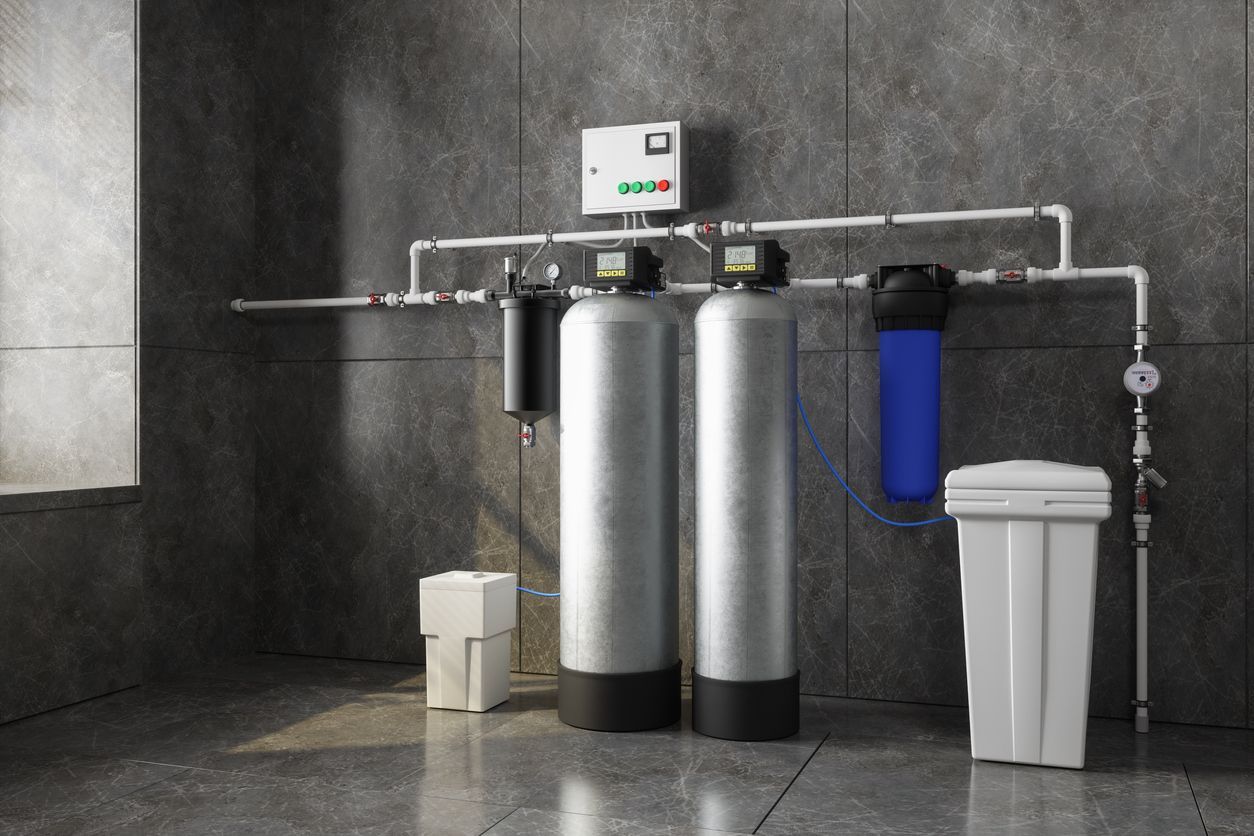
3. Customized Treatment: Installing dedicated equipment—such as anion exchange for uranium or adsorption media for arsenic—that is sized correctly for the household's water usage.
Once a system is in place, it transforms the home’s water quality. Beyond safety, proper water conditioning often improves the aesthetic quality of the water as well, protecting plumbing fixtures and appliances from the wear and tear of mineral-heavy raw water.
Frequently Asked Questions
Can I boil the water to remove arsenic or uranium?
No. Boiling water actually increases the concentration of these contaminants. Because water evaporates as steam while heavy metals and minerals remain behind, the remaining water becomes more potent. Boiling is effective for killing bacteria, but it is dangerous if your water contains arsenic, uranium, or nitrates.
Does a water softener remove arsenic?
Generally, no. While some specific types of anion-exchange softeners can remove small amounts of soluble arsenic, standard cation-exchange softeners (the kind used to remove hardness and iron) do not remove arsenic. In fact, by removing iron, which often naturally binds to arsenic, a softener can sometimes cause arsenic levels to effectively increase in the treated water.
How do I know if I have Arsenic-III or Arsenic-V?
A standard water test usually reports "Total Arsenic," which is the sum of both types. To distinguish between them, you must request an "Arsenic Speciation" test. This is highly recommended if you are designing a treatment system, as it dictates whether you need a pre-oxidation step (like chlorine or aeration) to convert the hard-to-catch Arsenic-III into the easier-to-catch Arsenic-V.
Can I taste or smell uranium in my water?
No. Uranium, arsenic, and radon are completely imperceptible to human senses. You cannot taste, smell, or see them. While other issues like sulfur (rotten egg smell) or iron (metallic taste) are obvious, these carcinogenic contaminants are invisible. The only way to detect them is through professional laboratory testing.
If my neighbor’s well is safe, is mine safe too?
Not necessarily. Because New Hampshire and Vermont rely on "fracture flow" bedrock aquifers, groundwater travels through distinct cracks and veins in the rock. Your well could be fed by a completely different fracture network than a well just 100 feet away. You should never assume your water quality based on a neighboring property’s results.
Conclusion: Long-Term Vigilance
Water chemistry is not static. It can change with the seasons, with drought conditions, or due to physical changes in the bedrock such as minor seismic shifts or nearby blasting. A treatment system installed ten years ago may no longer be adequate if the influent water chemistry has shifted.
For families, the goal is safe and clean drinking water that requires no second-guessing. Regular maintenance of treatment systems and periodic re-testing (every 3 to 5 years is the general recommendation for healthy wells) ensures that the barrier of protection remains intact.
Living in New England means accepting the rugged nature of our environment. We shovel snow in winter, we navigate mud in spring, and we manage the minerals in our water year-round. With the right knowledge and the right infrastructure, these "silent threats" become nothing more than a managed aspect of homeownership, ensuring that your family’s water remains a resource, not a risk.
Resource: For property owners seeking additional information or professional support related to this topic, Wragg Brothers Well Drilling provides well drilling and water system services in New Hampshire. Learn more at https://www.wraggbrothers.com/.