Well Shocking Services and Rehabilitation: When Does Your Well Need Professional Cleaning?
Families relying on private wells in New Hampshire and Vermont understand that their water system is their own responsibility. Unlike municipal water systems that treat, monitor, and pipe water centrally, a private well draws raw groundwater directly from the earth. Most of the time, the deep bedrock aquifers of New England provide excellent, clean water. However, a well is a mechanical connection between the surface and the aquifer, meaning biological contamination can occur.
Understanding the mechanics of groundwater and knowing when to seek professional well shocking services is critical to restoring and maintaining safe drinking water for your home. This guide explains how bacteria enter well systems, the specific signs that indicate a professional cleaning is required, and the science behind effective well rehabilitation.
The Biology of a Borehole: How Bacteria Enters Your Well
Water underground is naturally filtered by layers of soil and stone, but a drilled well creates a direct vertical shaft into the water table. If the top of this shaft is compromised, surface contaminants can bypass the natural filtration process entirely.
A common entry point for bacteria is a loose, cracked, or outdated well cap. Insects, small rodents, and surface runoff can carry coliform bacteria directly into the casing. Furthermore, the freeze-thaw cycles of New England winters can sometimes shift the upper layers of soil, potentially compromising the grout seal around the steel well casing and allowing shallow ground water to seep in.
Additionally, the geology of our region relies heavily on "fracture flow." Water moves through interconnected cracks in the solid granite and schist bedrock. During heavy spring rain, rapid snowmelt, or flooding events, surface water can rapidly infiltrate these shallow fractures. This carries biological contaminants directly into the well before the earth has time to filter them out naturally. Because you cannot taste or see most biological threats, regular well water testing is the only definitive way to confirm the presence of invisible bacteria.

Recognizing the Signs: When to Schedule a Cleaning
A well cannot clean itself once bacteria are established. Property owners should arrange for professional well shocking services under several specific conditions.
The most urgent trigger is a positive laboratory test for total coliform or E. coli. Total coliform is a broad category of environmental bacteria. Its presence indicates that the well is exposed to surface contamination. E. coli is a specific type of coliform associated with human or animal waste, presenting an immediate health hazard. Any positive test for these biological markers requires immediate remediation.
Another trigger is a sudden change in water quality. While some bedrock naturally produces sulfur odors, a sudden onset of a "rotten egg" smell can indicate the rapid growth of sulfur-reducing bacteria. Similarly, iron bacteria do not typically cause illness, but they create thick, rust-colored slimes that clog pipes, stain laundry, and foul water filtration systems. These colonies grow quickly and require heavy sanitization to remove.
Finally, any major service event requires a preventative cleaning. If a well pump is pulled to the surface for repair, it is exposed to the outside environment. When it is lowered back into the hole, it takes surface bacteria down with it. A thorough sanitization must follow any structural or mechanical work involving the well casing or pump to ensure the water remains safe to drink.
The Limits of DIY: Why Professional Well Rehabilitation Matters
A common misconception among homeowners is that treating a well simply requires pouring a gallon of household bleach down the casing. This do-it-yourself approach is rarely effective and can sometimes make water quality worse by oxidizing heavy metals without actually killing the bacteria.
Household bleach is a weak sodium hypochlorite solution. When poured from the top, it often coats the upper walls of the casing and sits on the surface of the water column. It does not mix thoroughly with the hundreds of gallons of water sitting deep in the borehole, leaving the actual pump intake zone completely untreated.
Furthermore, effective chlorination is highly dependent on water chemistry. The pH of the groundwater dictates how effectively chlorine can destroy bacterial cell walls. If the well water has a high pH, the chlorine becomes sluggish and loses its sanitizing power.
Professional well shocking services manage these complex variables. Technicians calculate the exact volume of water in the borehole—based on total depth and the static water level—to determine the correct concentration of chlorine required to overcome the well's specific "chlorine demand." They often adjust the pH of the water prior to introducing the sanitizer to ensure maximum lethality against the bacteria.
A critical step in professional rehabilitation is mechanical circulation. Instead of letting the chemical sit passively, technicians use the well pump to pull the chlorinated water up to the surface and wash it aggressively back down the inside of the casing. This mechanical surging forces the sanitizer outward into the bedrock fractures and physically strips biological slimes off the pump and pipe surfaces, ensuring a complete clean.

Long-Term Protection and Water Systems
Shocking a well acts as a biological reset button. It eliminates the existing bacterial colonies within the well casing and the immediate surrounding bedrock fractures. However, it does not build a permanent shield around the well.
If the bacteria entered through an isolated, one-time event—such as a flooded yard, a damaged well cap, or a recent pump replacement—a thorough cleaning and casing repair will usually solve the problem permanently. Once the well is sanitized, the water will remain clean as long as the physical barrier of the casing remains intact.
However, if the aquifer itself is continuously fed by a contaminated surface source, the bacteria will eventually return as groundwater moves through the bedrock. In these instances, the well cannot be shocked repeatedly, as constant high-level chlorination will corrode the metal components of the submersible pump. Instead, property owners must install a permanent disinfection barrier inside the home.
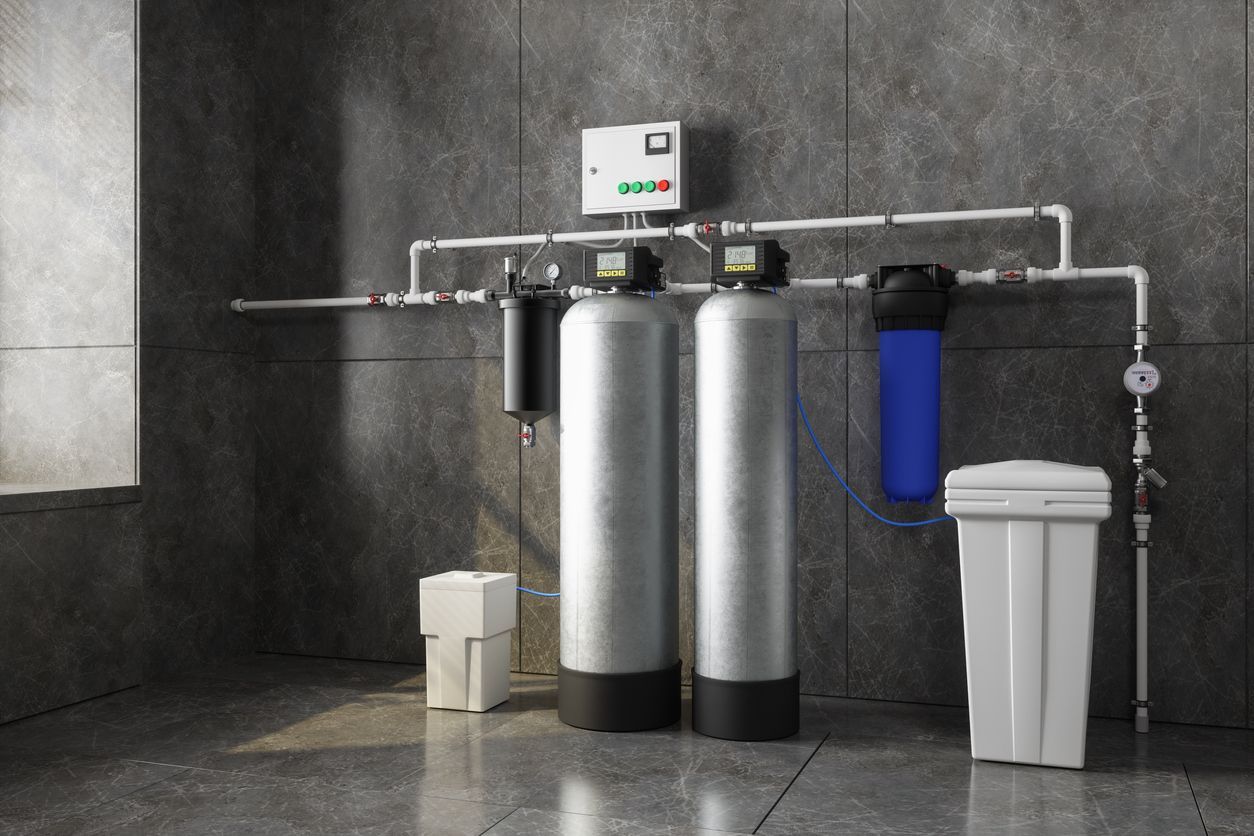
Ultraviolet (UV) light disinfection is the standard, chemical-free solution for persistent biological threats. Installed after the pressure tank and any primary filtration, a UV system exposes the water to intense light that neutralizes bacteria before the water reaches the tap. Integrating this technology with comprehensive water conditioning ensures that the water remains consistently safe for your family, regardless of changing conditions underground.
Frequently Asked Questions
What exactly do well shocking services do?
Well shocking is a heavy-duty chlorination process designed to eradicate bacterial contamination in a water well. It involves introducing a high concentration of chlorine or other approved sanitizers into the well water to kill coliform, E. coli, and nuisance bacteria.
The process goes beyond simple disinfection. It includes mechanically circulating the treated water throughout the entire system—from the bottom of the well up through the household plumbing. This circulation breaks down protective biological slimes and ensures the sanitizer reaches every physical surface where bacteria might hide.
How long does the well shocking process take?
The physical application of the sanitizing chemicals usually takes a few hours, but the critical factor is "contact time." The chlorine must remain undisturbed in the well and the household plumbing to effectively destroy the bacteria cell walls.
Typically, property owners must leave the highly chlorinated water in the system for 12 to 24 hours. During this period, no water can be used for drinking, bathing, or washing clothes. After the contact period is complete, the entire system must be thoroughly flushed outdoors until all residual chlorine is removed from the pipes.
Is my water safe to drink immediately after the treatment is flushed?
No. Even after the chlorine smell is completely gone, you cannot assume the water is biologically safe. The initial test that prompted the shocking proved that bacteria were present, and you must scientifically verify that the treatment was successful.
Property owners should wait at least three to five days after flushing the chlorine to allow the well to return to its natural state. Then, a new water sample must be collected and sent to a certified laboratory. The water is only considered safe to drink once the lab confirms a negative result for total coliform and E. coli
Will shocking my well fix low water pressure?
In most cases, well shocking is a sanitation procedure, not a yield improvement technique. It is designed to kill biological contaminants, not to open up new veins of water in the solid bedrock.
There is one exception: if your low pressure is caused by a severe infestation of iron bacteria. Iron bacteria create thick, gelatinous slimes that can physically clog the pump intake screen or the sediment filters in your home. By dissolving these slimes, a professional cleaning can restore the normal flow of water. If the aquifer itself is running low, mechanical processes like hydrofracking are required instead.
How often should a private well be shocked?
There is no routine schedule for well shocking. It is a corrective measure, not preventative maintenance. You should only shock a well when there is a documented need, such as a positive bacteria lab test, post-repair contamination, or a sudden onset of thick bacterial slime and odor.
Introducing high concentrations of chlorine into a well unnecessarily can be corrosive to metal pump components. It can also temporarily alter the water chemistry, releasing trapped minerals like iron or manganese from the rock walls. Regular annual testing is the best preventative measure to determine if any action is needed.
Conclusion
Safe water is the foundation of a healthy home. For property owners relying on private wells, understanding the mechanics of their water supply ensures they are never caught off guard by contamination. While biological threats can be alarming, they are entirely manageable with the correct scientific approach. Identifying the signs early, understanding the limits of DIY treatments, and utilizing professional well shocking services guarantees that the water flowing from your tap remains clean, reliable, and safe for your family.
For property owners seeking additional information or professional support related to this topic, Wragg Brothers Well Drilling provides well drilling and water system services in New Hampshire. Learn more at https://www.wraggbrothers.com/.